

Sweet Cicely Identification (Myrrhis odorata)

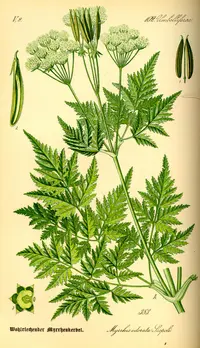
Recognize Sweet Cicely by its large, fern-like leaves divided into many fine leaflets, each leaflet sharply toothed, carried alternately on upright hollow stems.

It also forms a clump about 2 to 4 feet (0.6 to 1.2 m) tall and bears flat-topped clusters of small white flowers at the stem tips.

Myrrhis odorata Identification

Identify a Plant by Photo

Use a clear photo to confirm what plant you have.

Clear images work best. Avoid photos taken too close or too far away

Check the plant’s overall shape, leaves, flowers, and fruit.

  • An upright, clump-forming perennial, often 2-4 feet (0.6-1.2 m) tall, with branching stems.
  • Leaves are large, fernlike, and finely divided into many toothed leaflets, giving a soft, feathery outline.
  • Small white flowers are grouped in flat-topped umbels, with 5 petals per flower.
  • Fruits are long, narrow, and ribbed, about 1 inch (2.5 cm) long, held in clusters after flowering.

The long, slender fruits are one of the easiest visual checks when present.

Sweet Cicely shows clear visual shifts from divided foliage to flowers and long fruits.

  • Juvenile plant: Early plants form a low basal clump of soft, fernlike leaves. The leaf divisions are broad and rounded, with no tall flowering stems yet visible.
  • Mature plant: Before blooming, the clump becomes taller and more open, with thicker hollow stems and larger, finely divided leaves reaching about 2 feet (60 cm) long.
  • Flowering stage: Upper stems branch and carry flat-topped umbels, a carrot-family flower cluster, of small white flowers held above the leafy mound, changing the outline noticeably.
  • Fruiting stage: After flowering, the umbels hold slender, dark, beaklike fruits around 1 inch (2.5 cm) long, much more conspicuous than the earlier flowers.

In spring, Myrrhis odorata quickly forms fresh, bright green, fern-like leaves, then carries airy clusters of small white flowers above the foliage in late spring to early summer. By summer, the flowers give way to long, narrow green seed pods that darken as they mature. In winter, the top growth dies back, leaving the plant absent above ground.

A few ferny members of the carrot family can be mistaken for Myrrhis odorata.

cow parsley(Anthriscus sylvestris)

Both have divided, lacy leaves and white umbrella-like flower clusters. Cow parsley is usually taller and slimmer, and its leaves are less soft-looking; Sweet Cicely develops longer, more obvious ribbed seed pods after flowering.

garden chervil(Anthriscus cerefolium)

The foliage is similarly fine and parsley-like. Garden chervil stays much smaller, often under 2 feet (0.6 m), with finer leaf segments and less robust clumps than this larger perennial.

Myrrhis odorata is native to mountainous parts of central and southern Europe, including the Alps, Pyrenees, and other upland regions. It is most often found in moist meadows, woodland edges, streamside ground, and tall-herb vegetation. That setting helps with identification because this species is more typical of cool, damp upland habitats than dry lowland sites. Finding it in a lush meadow margin or shaded mountain valley can help separate it from similar garden escapees or lowland umbellifers.

Myrrhis odorata itself is not the main concern. The safety issue is misidentification: its ferny leaves and white umbrella-like flower clusters can be confused with poisonous members of the carrot family.

  • Hazardous look-alikes: Poison hemlock (Conium maculatum) and water hemlock (Cicuta species) are dangerous to humans and pets if any plant parts are eaten. Poison hemlock typically has smooth, hollow stems with purple blotches, unlike the softly hairy, anise-scented stems and leaves of Myrrhis odorata.

Check Your Plant ID

Use Botan to compare a photo and help confirm the plant, so you can avoid mix-ups before labeling or buying another one.

FAQ

The clearest field mark is the soft, fernlike leaf paired with a strong sweet anise scent when crushed. Umbels of small white flowers and long, narrow ribbed seeds also support Sweet Cicely identification.

More Plant Identification Guides

Identify Your Plant and Learn More

Upload a photo to identify it with Botan, then get plant details, care information, and common problems for that species.

Botan app identifying a plant from a photo
When to Harvest Tomatillos: How to Tell When They're Ripe

4 min read · 20 Oct 2026

When to Harvest Tomatillos: How to Tell When They're Ripe

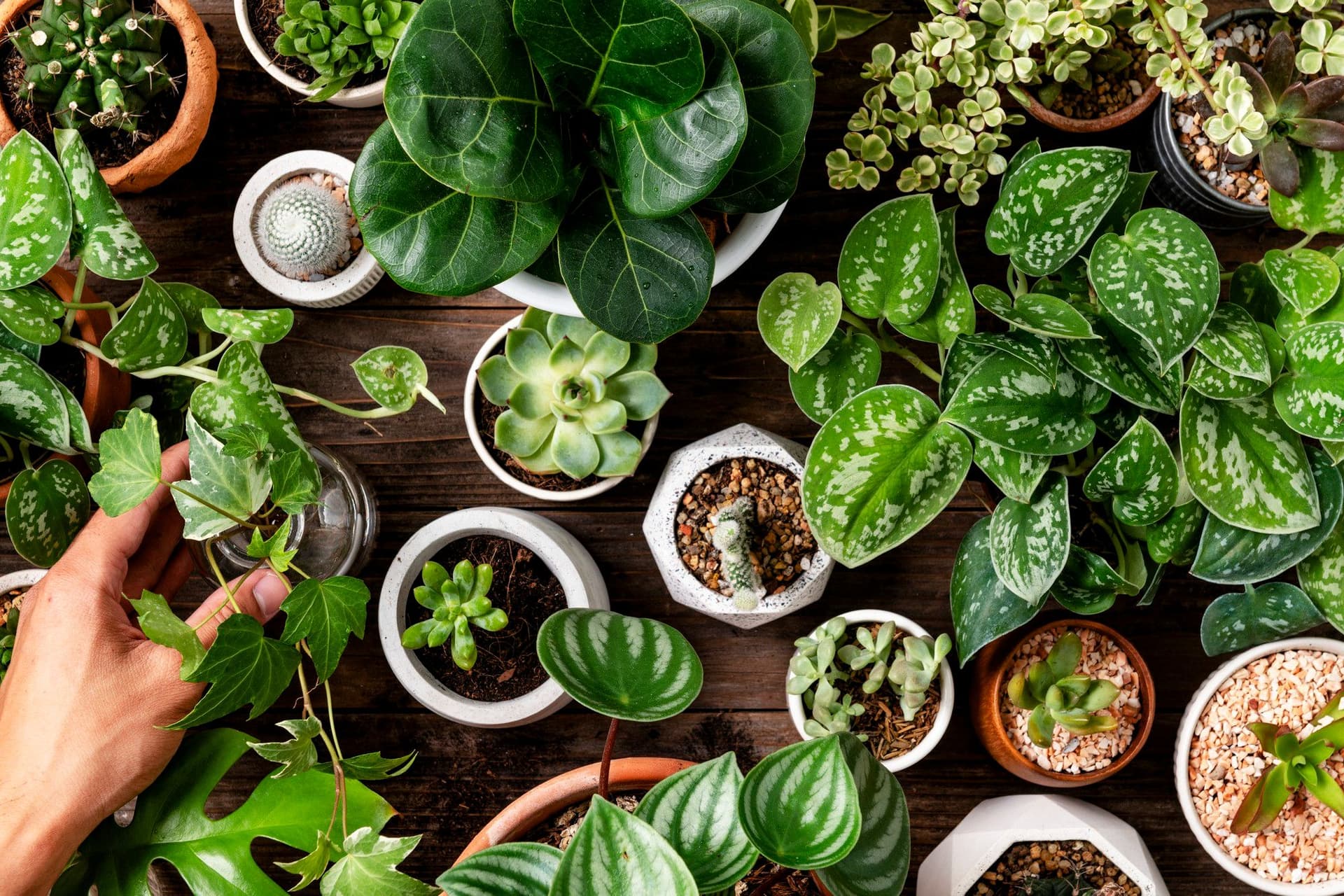
Tomatillos grow inside papery husks, making it hard to judge ripeness at a glance. This guide explains how to know when tomatillos are ripe and offers practical advice on harvesting and storage.

Plant Recommendations
When to Harvest Tomatillos: How to Tell When They're Ripe
What Do Plants Need to Grow – 5 Things Every Greenery Can't Live Without

8 min read · 31 Jul 2026

What Do Plants Need to Grow – 5 Things Every Greenery Can't Live Without

To keep plants healthy and thriving, provide the right balance of light, humidity, nutrients, airflow, and quality soil. This guide covers the essentials of year-round plant care.

Beginner Guides
What Do Plants Need to Grow – 5 Things Every Greenery Can't Live Without
Best Water for Plants – How to Choose the Right Type

7 min read · 13 Aug 2026

Best Water for Plants – How to Choose the Right Type

Rainwater, filtered, distilled, and tap water affect plants differently. Learn which types support healthy growth and which cause slow damage. Match each to your plants and discover how to easily improve tap water quality.

Plant Care
Best Water for Plants – How to Choose the Right Type