
shaggy mane Identification (Coprinus comatus)

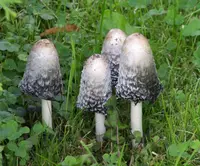
To recognize shaggy mane, look for a tall, narrow cap 2-6 inches (5-15 cm) long, densely covered with white, upturned scales. The cap is cylindrical to bell-shaped.

It stands on a straight white stem 4-12 inches (10-30 cm) tall, usually with a movable ring near the middle.

Coprinus comatus Identification

Identify a Plant by Photo

Not sure about your plant ID? Upload a photo and check it with Botan.

Clear images work best. Avoid photos taken too close or too far away

Check the mushroom’s overall shape, cap surface, gills, and stem.

  • Cap is tall and narrow at first, often egg-shaped to cylinder-like, about 2-6 inches (5-15 cm) tall.
  • Cap surface is white with loose, shaggy scales that lift slightly from the surface.
  • Gills are crowded and free from the stem, not attached where they meet it.
  • Stem is white, slender, and straight, usually with a small movable ring.

Use several features together, especially the shaggy cap and free gills.

Shaggy mane shows clear, useful shape changes as the fruiting body expands and ages.

  • Young plant: At first, the mushroom appears as a narrow white cylinder, densely covered with shaggy upturned scales, with the cap still closed around the stem.
  • Mature plant: The cap elongates to about 4-6 inches (10-15 cm), then begins to bell outward; scales separate more clearly and the white stem looks longer and exposed.
  • Fruiting stage: As spores mature, the cap margin turns pinkish, then black, and liquefies from the edge upward, leaving a ragged inky rim unlike earlier stages.

Shaggy mane is most often seen from late summer into fall, when fresh white fruiting bodies appear in lawns, roadsides, and disturbed ground. That seasonal flush can be a strong clue. By late fall, many caps are already blackening and collapsing into ink, so mixed patches often show both fresh white mushrooms and dark, dissolving older ones.

A few inkcaps can be mistaken for shaggy mane at a glance.

common inkcap(Coprinopsis atramentaria)

Both appear in lawns and paths as pale, cylindrical mushrooms that soon darken. Common inkcap has a smoother gray to tan cap, not the long shaggy white scales. It usually grows in dense clusters, while Coprinus comatus is often solitary or loosely grouped.

hare’s-foot inkcap(Coprinopsis lagopus)

Young fruiting bodies can look similarly white and fuzzy. Hare’s-foot inkcap is much smaller and more delicate, with a thin cap usually under 2 inches (5 cm) across, and the fuzzy coating disappears quickly. It lacks the tall, robust, elongated cap typical of Coprinus comatus.

Coprinus comatus is widely recorded across Europe, Asia, and North America, so habitat is more useful than geography for identification. It usually appears in disturbed ground, lawns, roadsides, field edges, and grassy urban sites rather than deep woods. Finding it in open, nutrient-rich soil helps narrow an ID, especially when a similar mushroom is seen in turf or along paths.

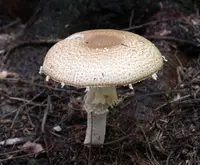
  • Hazardous misidentification: Wrong identification is the main safety issue for humans. Coprinus comatus can be confused with poisonous inkcaps or deadly Amanita buttons when young and unopened.
  • Key visible check: A useful separator is the shaggy white cap with loose scales and the white stem. Avoid specimens from an egg stage, where these features are not yet clear and confusion risk is higher.

Does Your Plant Match?

Use Botan to compare a photo and help confirm the identification before you rely on a label or first impression.

FAQ

Fruiting bodies are most often seen from late summer through fall, and sometimes after rains in spring. Young caps are white and cylindrical, then quickly darken and dissolve into black ink as they age.

More Plant Identification Guides

Know What Plant You Have

Identify it from a photo with Botan, then review species-specific plant details, care information, and common problems.

Botan app identifying a plant from a photo
Frozen vs Fresh Vegetable Nutrients: Which Option Is Healthier?

6 min read · 8 Sept 2026

Frozen vs Fresh Vegetable Nutrients: Which Option Is Healthier?

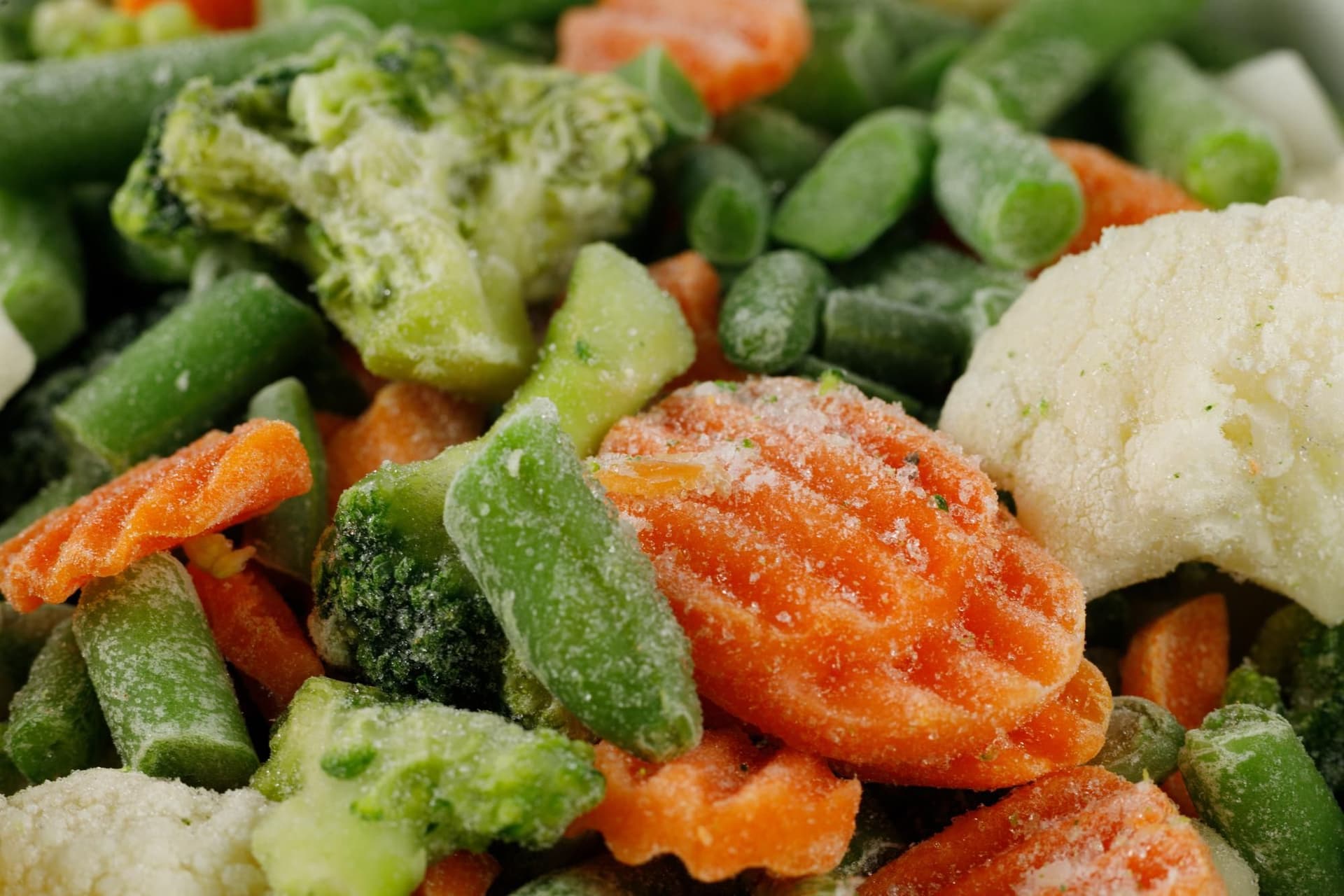
Frozen and fresh vegetables are nutritionally comparable: frozen produce often retains vitamins just as well as fresh and may sometimes contain more. Here’s how blanching and storage affect nutrients—and when to choose each.

Plant Recommendations
Frozen vs Fresh Vegetable Nutrients: Which Option Is Healthier?
Is Sugar Water Good for Plants?

4 min read · 14 Sept 2026

Is Sugar Water Good for Plants?

Sugar water may sound like an easy boost, but most rooted plants do not need extra sucrose. This guide explains how green tissues produce carbohydrates, when a sweetened solution can be useful, and why too much can cause problems.

Plant Care
Is Sugar Water Good for Plants?
12 Best Plants That Repel Spiders For Your Home and Garden

8 min read · 24 Jul 2026

12 Best Plants That Repel Spiders For Your Home and Garden

Spiders constantly appear in places you don't want them. A few common plants can help repel them using scent alone. Here are 12 options suitable for both indoors and outdoors, plus care tips for each.

Plant Recommendations
12 Best Plants That Repel Spiders For Your Home and Garden