Staggered Log Inoculation
For continuous harvests, inoculate several small hardwood logs 2–3 weeks apart so each colonizes and fruits at a different time rather than all at once.

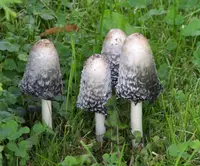
Shaggy mane, Coprinus comatus, is a common edible mushroom species, not a leafy houseplant. It produces tall, narrow, white caps covered with shaggy scales that quickly turn black and inky as they mature. This short lifespan means it is usually enjoyed fresh in the landscape rather than as a long-term potted specimen.
Shaggy mane typically appears in lawns, parks, disturbed soils, and along roadsides in temperate regions. It favors moist, nutrient-rich ground and often fruits in groups after rain.
Because it is a fast-decomposing mushroom, it is not as simple to cultivate as many vegetables or herbs. Gardeners who want to care for shaggy mane need consistently moist, organic-rich soil and protection from drying winds and strong sun.

Care Difficulty
Hard Care

Light Preference
Partial Shade

Water Requirements
Keep Soil Moist

Temperature Preference
Cool Climate

Hardiness Zone
Unknown

Soil Texture
Loamy, Silty, Organic-rich

Soil pH
Acidic (5.5–6.5), Slightly acidic (6.5–7.0)

Soil Drainage
Moist but well-drained

Fertilization
Minimal (feed rarely)
Scan your plant to receive care tips personalized for your specific plant
Available on iOS and Android
This saprophytic mushroom prefers gentle light rather than intense full sun for best fruiting.
This species needs consistently moist but not waterlogged conditions to form healthy mushrooms.
This fungus fruits best in cool to mild conditions rather than high summer heat.
This fungus needs consistently moist conditions with moderate air humidity to fruit well.
Coprinus comatus prefers loose, organic-rich substrate that stays evenly moist yet drains freely.
This species can be grown in containers when the vessel is deep and stable enough for substrate and fruiting bodies.
This fungus naturally thrives in nutrient-rich soil and usually needs only modest feeding in cultivation.
Coprinus comatus does not require true pruning, but timely mushroom removal helps hygiene and spore management.
This species is usually grown in outdoor beds or dedicated substrates, so focus on renewing or relocating the growing medium rather than classic repotting.
Cultivated Coprinus comatus is typically propagated by spawn rather than by traditional plant methods.
Outdoor beds of Coprinus comatus are generally cold hardy and need minimal winter attention in most temperate climates.

Plant Health Check
Not sure what's wrong with your plant? Check your plant's health inside the app.
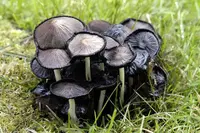
This species undergoes autodigestion, a process where enzymes break down the gills and cap into a black, inky fluid as spores mature, a strategy that helps disperse spores efficiently.
It often appears in nutrient-rich, disturbed soils such as lawns, roadsides, and fields and is considered an indicator of high nitrogen input, including areas affected by fertilizer or pet urine.
When consumed with alcohol, it can cause an unpleasant reaction similar to that of Coprinopsis atramentaria, although this effect is not as consistently reported and is still discussed in the scientific literature.

The distinctive tall, shaggy white caps can appear rapidly after rain and sometimes emerge in tight clusters, making them one of the more conspicuous wild mushrooms in urban lawns and roadside verges.
The young white caps are edible and considered choice by many for cooking, but they must be harvested very fresh and cooked within a few hours. Avoid specimens that have begun turning gray or black and inky.
Keep your plants happy and healthy with plant identification, disease detection, and easy care guidance.