Spiny Puffball Care (Lycoperdon echinatum)

Spiny Puffball

About Spiny Puffball

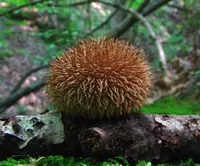
Spiny puffball, Lycoperdon echinatum, is a small, round puffball fungus rather than a leafy plant. It forms dense, spiny, brownish fruiting bodies that release spores when mature.

This species typically grows on soil rich in decaying leaf litter, often in broadleaf or mixed woodlands across Europe and parts of North America. Its appearance changes with age, from pale and sharply spined to darker and more shaggy as the spines break off.

In cultivation, it is considered challenging because it depends on specific woodland soil conditions and natural organic debris. Hobby growers who care for Spiny Puffball generally focus on replicating a cool, moist, shaded forest floor with undisturbed, humus-rich soil.

Main Plant Requirements

Care Difficulty

Moderate Care

Light Preference

Partial Shade

Water Requirements

Regular Water

Temperature Preference

Cool Climate

Hardiness Zone

Unknown

Soil Texture

Loamy, Silty, Organic-rich

Soil pH

Acidic (5.5–6.5), Slightly acidic (6.5–7.0)

Soil Drainage

Moist but well-drained

Fertilization

Minimal (feed rarely)

Get Personalized Care Plan

Scan your plant to receive care tips personalized for your specific plant

Available on iOS and Android

How to Care for the Spiny Puffball

This woodland fungus prefers soft, filtered light rather than direct, open sun exposure.

  • Provide dappled shade or light filtered sun, such as under deciduous trees, with roughly 2–4 hours of gentle morning sun and full shade by afternoon.
  • Avoid strong midday and afternoon sun, which can overheat and dry the fruiting area, reducing the chance of Spiny Puffball forming healthy bodies.
  • In summer, ensure leaf litter or low vegetation casts shade, while in early spring or late fall brief, cooler direct sun is usually tolerated.

This species relies on consistently moist, well-drained woodland soil rather than frequent surface watering.

  • Maintain soil that feels evenly moist 2–5 cm deep, never waterlogged; in natural settings this often comes from steady rainfall and leaf litter moisture retention.
  • Watch for signs of excess water such as sour odor, standing water, or slimy organic matter, which signal poor drainage and increased risk of fungal rot of the underground mycelium.
  • During hot, dry periods, supplemental watering may be used to keep the upper soil from fully drying and cracking, but allow brief surface drying between soakings.

This fungus performs best in cool to mild conditions typical of temperate woodlands.

  • Optimal fruiting often occurs around 50–70°F (10–21°C), with mycelium growth continuing over a broader cool range if moisture is stable.
  • Short dips near 32°F (0°C) are usually tolerated in dormant stages, but repeated hard freezes below 25°F (-4°C) can damage shallow mycelium in exposed sites.
  • Sustained heat above 80°F (27°C) with dry soil reduces fruiting; partial shade and moisture-retentive organic matter help buffer against summer extremes.

This woodland fungus prefers consistently moist, humid air typical of shaded forest floors, around 60–80% humidity.

  • Tolerates brief dips to 40–50% humidity but prolonged dry air can slow development and crack the outer surface.
  • Low humidity stress appears as premature hardening and excessive brittleness of the fruiting body.
  • Increase humidity outdoors by using leaf litter mulch and light misting of the surrounding substrate, not directly on the Spiny Puffball.

This fungus develops best in loose, organic-rich, well-aerated woodland soil that drains freely yet holds steady moisture.

  • Aim for a humus-rich, crumbly loam with plenty of decayed leaf litter or composted bark to mimic forest floor conditions.
  • Ensure fast drainage by avoiding heavy clay; mix in coarse sand or fine grit if water lingers for more than a few hours.
  • Lycoperdon echinatum typically favors slightly acidic to neutral soil, around pH 5.5–7.0, avoiding limed or strongly alkaline sites.
  • Improve aeration and fungal habitat by incorporating partially decomposed wood chips or twig fragments rather than dense, compacted organic matter.

This species is generally unsuitable for conventional container growing because it depends on complex soil and wood interactions in the ground.

Lycoperdon echinatum is a wild woodland fungus that does not require fertilization in typical garden or forest conditions.

Lycoperdon echinatum does not need true pruning, but minimal cleanup helps keep the fruiting area tidy and reduces disease risk.

  • Cut away only clearly rotten, moldy, or insect-infested fruiting bodies using clean scissors or a knife.
  • Remove decayed puffballs during dry weather so remaining specimens can mature and release spores effectively.
  • Avoid disturbing surrounding leaf litter or soil structure, since the main fungal body (mycelium) sits below the surface.

This species is not suited to routine container culture, so focus on careful transplanting of substrate rather than traditional repotting.

  • Transplant only if a colonized log, wood chip bed, or soil patch must be relocated, since the fungus depends on the hidden mycelium network.
  • Choose cool, moist conditions in autumn to move colonized material, matching the original shade and soil type as closely as possible.
  • Lift and move the substrate in large intact sections to limit tearing of the mycelium and reduce stress on the organism.
  • Water the transplanted area gently and keep it evenly moist, avoiding waterlogging that might suffocate the underground mycelium.

Propagation of Lycoperdon echinatum is done indirectly by encouraging spore spread and maintaining suitable habitat rather than standard horticultural methods.

  • Allow mature puffballs to dry and release spores naturally in late summer to autumn over leaf litter and decaying wood.
  • Encourage new colonies by leaving coarse woody debris and undisturbed leaf litter, which support the fungal life cycle.
  • Avoid tilling or compacting soil in known fruiting areas, since this disrupts mycelium that must remain intact for future fruiting.

Lycoperdon echinatum is naturally cold hardy in temperate climates and needs no special winter care outdoors.

  • Leave leaf litter and coarse organic matter in place, as this lightly insulates the soil and supports the fungal mycelium.
  • Avoid deep excavation, raking, or soil disturbance in winter so the underground network remains stable for next season’s fruiting.

Care Tips

Spore collection setup

Place a sheet of clean paper or foil under mature puffballs in a ventilated, shaded area so the released spores can be collected for controlled sowing in new locations with similar habitat.

Habitat micro-mimicry

When introducing this fungus to a new site, mimic its natural woodland edges by adding a thin, loose layer of leaf litter and small twigs over calcareous, well-drained soil to support stable mycelium development.

Gentle fruiting checks

Check developing puffballs with minimal handling by visually inspecting and lightly brushing aside debris rather than squeezing them, which can damage tissue and reduce spore production.

Selective harvesting practice

Harvest only a portion of mature fruiting bodies and leave several intact specimens in each patch to maintain local spore dispersal and sustain the colony over multiple seasons while growing Spiny Puffball.

Site disturbance control

Limit raking, trampling, or digging in the established patch, since repeated mechanical disturbance can break up the mycelium network and sharply reduce future fruiting.

Common Pests and Diseases

Mycophagous insects

These insects feed directly on the fruiting body surface, chewing the spines and outer skin and leaving pitted or scarred patches. Symptoms include irregular holes, frayed spine tips, and rapid cosmetic damage to young puffballs.

Solution

Remove and discard heavily damaged fruiting bodies to prevent further attraction of insects and scavengers. In garden or culture beds, use fine mesh covers or insect netting over the developing puffballs and avoid leaving decaying organic debris nearby that can harbor beetles and larvae.

Slugs and snails

These mollusks graze on the outer layer of the puffball, especially in damp, shaded sites. Symptoms include broad, smooth bite areas, missing spines, surface slime trails, and partial collapse of the fruiting body if feeding is heavy.

Solution

Hand-remove slugs and snails around the patch and reduce hiding places such as dense ground litter and boards. In managed beds, use copper barriers, beer traps, or iron phosphate slug baits placed around but not directly on the puffballs, and harvest at the correct stage to reduce time exposed to grazing.

Saprobic competitor fungi

This disease pressure comes from other decomposer fungi colonizing the same substrate and overgrowing or replacing the puffball mycelium. Symptoms include poor or absent fruiting, off-colored or fuzzy growths on or near the base, and rapid breakdown of the substrate without typical Spiny Puffball formation.

Solution

Use fresh, clean, and well-conditioned woody or leaf litter substrates when attempting to grow Lycoperdon echinatum, and avoid mixing in heavily colonized or moldy material. If strong competitor fungi appear, remove heavily invaded substrate, refresh with new material, and adjust moisture so it is moist but not waterlogged to favor the target species.

Bacterial soft rot

This disease causes the puffball tissue to become water-soaked, soft, and eventually slimy, often with a sour or unpleasant odor. Symptoms include rapid collapse of what was previously firm tissue, surface discoloration, and a wet, mushy interior instead of firm white flesh.

Solution

Harvest fruiting bodies while they are still firm and white inside, and avoid handling them with dirty tools or storing them wet. In cultivation or observation areas, improve air movement, reduce overhead watering, and promptly remove and dispose of any soft, smelly specimens to limit spread through dripping water or contact.

Interesting Facts

Spiny ornamented surface

Young fruitbodies are covered in dense, stiff spines that are joined at their tips into small pyramids; as the puffball matures, these spines flake off in patches, leaving a distinctive patterned surface of pale scars on a darker background.

Color change with age

The interior flesh is initially firm and white but turns olive-brown and powdery as spores develop, while the outer surface shifts from pale to reddish- or chocolate-brown, making age assessment straightforward in the field.

Preference for ancient woods

This species is most often recorded in old, undisturbed broadleaf woodlands, especially on calcareous or base-rich soils, where it fruits on the forest floor among leaf litter rather than on wood itself.

Botan icon

Did you know?

The surface spines and warts of this puffball are so distinctive that they have been used as reliable macro-characters in taxonomic studies to separate it from closely related puffball species, making it a classic identification example in European mycology.

FAQs about Spiny Puffball

Young, firm fruiting bodies with white, homogeneous interior are considered edible in some regions, but correct identification is critical. Once the interior turns yellow, olive, or powdery, it should not be eaten.

Grow Healthy Plants with Botan Care

Keep your plants happy and healthy with plant identification, disease detection, and easy care guidance.

Botan plant care app — identify plants on mobile

Explore More Plants