desert ironwood Care (Olneya tesota)

Also known as: ironwood, testosa, palo-de-fierro
desert ironwood

About desert ironwood

Desert ironwood, Olneya tesota, is a slow-growing desert tree native to the Sonoran Desert of the southwestern US and northern Mexico. It is a long-lived species with very dense, heavy wood and a strong branching structure.

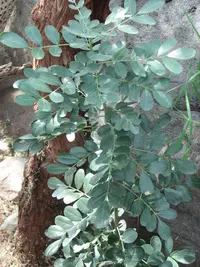
Plants form a rounded crown with small gray-green leaflets and showy clusters of pale pink to purple pea-like flowers in spring. The bark is typically gray and becomes rough with age.

This species is adapted to extreme heat, high sun, and very low rainfall, which can make it challenging in regular garden settings. It prefers full sun, sharply draining, rocky or sandy soil, and low supplemental water, so it is important to understand how to care for desert ironwood before planting.

Main Plant Requirements

Care Difficulty

Moderate Care

Light Preference

Full Sun

Water Requirements

Low Water

Temperature Preference

Warm Climate

Hardiness Zone

9–11

Soil Texture

Sandy, Rocky, Loamy

Soil pH

Neutral (7.0), Slightly alkaline (7.0–7.5)

Soil Drainage

Well-drained

Fertilization

Minimal (feed rarely)

Get Personalized Care Plan

Scan your plant to receive care tips personalized for your specific plant

Available on iOS and Android

How to Care for the desert ironwood

This desert legume needs intense light that mimics its native Sonoran habitat.

  • Provide full sun with at least 8–10 hours of direct light daily for strong growth and dense branching.
  • Young desert ironwood tolerates very light afternoon shade in extremely hot sites, but mature trees perform best in open, unshaded exposures.
  • In winter, lower sun angles are usually sufficient; in summer, monitor for leaf scorch on reflected-heat sites and adjust by adding slight filtered shade if necessary.

This deep-rooted desert tree is highly drought-adapted and must not be kept moist for long periods.

  • In the ground, water only when the top 10–15 cm of soil are completely dry, then soak deeply to encourage a strong taproot.
  • During the first 1–2 years, increase frequency slightly in hot, dry spells, watching for dull, folding leaflets as an underwatering sign.
  • Reduce or stop supplemental water in cool seasons; yellowing leaves, stem dieback, or persistent soggy soil indicate overwatering stress for Olneya tesota.

This species thrives in hot desert climates and has limited tolerance of prolonged cold.

  • Optimal growth occurs around 75–95°F (24–35°C), with good tolerance of dry heat up to about 110°F (43°C) if soil is not waterlogged.
  • Mature trees can survive brief drops to about 20–25°F (-6 to -4°C), but young plants are more sensitive and benefit from frost protection.
  • In marginal climates, plant in a warm, south-facing exposure so winter lows stay slightly higher and spring growth starts promptly.

Humidity is not a significant factor for Olneya tesota, which is adapted to very dry air.

This desert legume needs mineral, fast-draining soil that does not hold standing water.

  • Use a gritty mix such as 60–70% coarse sand or decomposed granite with 30–40% sandy loam or cactus mix.
  • Aim for slightly alkaline to neutral pH around 7.0–8.0, similar to native desert calcareous soils.
  • Increase aeration by incorporating inorganic grit rather than peat, which compacts and retains excess moisture.
  • Avoid clay-heavy, compacted, or high-organic potting soils that stay wet longer than 1–2 days after irrigation.

This species is only marginally suitable for long-term container growing due to its eventual size and deep root system.

  • Choose an extra-deep, heavy container to accommodate the taproot and prevent tipping in strong winds.
  • Use a very coarse, rocky substrate so water drains through in seconds rather than minutes, preventing root rot in confined roots.
  • Position the container where reflected heat is high but irrigation is controlled, mimicking desert warmth without unpredictable soil saturation.

In most native or xeric landscapes, desert ironwood needs little to no fertilizer once established.

Olneya tesota benefits from light, strategic pruning to maintain structure and safety in cultivated settings.

  • Schedule pruning for late winter to very early spring, before active growth starts.
  • Remove dead, diseased, storm-damaged, or severely crossing branches with clean bypass pruners or a sharp pruning saw.
  • Thin congested interior branches sparingly to improve airflow while preserving the natural, open canopy shape.
  • Limit cuts on mature trees to reduce stress and avoid removing large limbs unless they pose a hazard.

This species is seldom kept long term in containers, so management focuses on careful transplanting of young trees.

  • Transplant only when roots lightly circle the pot or growth slows despite good light and watering.
  • Aim for late winter to early spring, when soil is workable and heat stress is low.
  • Move seedlings or young trees from deep containers into a well-drained, native-like soil with minimal disturbance to the root ball.
  • Water deeply right after transplanting, then taper watering over several weeks to encourage deep rooting and reduce shock.

Propagation of Olneya tesota is usually done from seed and is slow, reflecting the species’ long-lived desert nature.

  • Collect fully mature pods, clean seeds, and store them dry until late winter or early spring sowing.
  • Scarify hard seed coats gently with sandpaper or a brief hot-water soak to improve germination.
  • Sow seeds in a deep container with very well-drained, gritty mix, kept warm (70–85°F) and just lightly moist.
  • Provide strong light and avoid overwatering seedlings, allowing the mix to dry slightly between waterings to limit damping-off.

Mature trees are quite cold hardy in arid regions and usually need little targeted winter care.

  • Plants tolerate light, brief freezes but young trees benefit from a loose mulch layer over the root zone, kept away from the trunk.
  • In areas with harder frosts, wrap small trunks with breathable tree wrap until established.
  • Move container-grown plants under cover or into a bright, cool indoor space when temperatures approach the mid-20s°F.

Care Tips

Deep root training

During the first 2–3 years, water less often but deeply to encourage a taproot that penetrates 60+ cm, which greatly improves long-term drought tolerance and anchorage.

Trunk sun-hardening

In very hot, exposed sites, lightly shade the south and west sides of young trunks with a shade cloth screen for the first 1–2 summers, then gradually remove it so bark can harden without sunscald.

Careful companion planting

Plant only very sparse, low-growing, drought-adapted companions outside the immediate trunk zone to avoid competition, and keep at least a 60–90 cm bare soil ring around the base for better airflow and reduced fungal risk.

Wind and structure management

In windy areas, stake only the lowest part of the trunk loosely for the first 1–2 years, then remove supports so the tree flexes and develops strong wood rather than remaining dependent on stakes.

Wildlife and browsing control

Install rigid wire cages or low fencing around young plants in areas with rabbits, hares, or deer to prevent bark chewing and shoot browsing, which can permanently disfigure the tree and slow growing desert ironwood in its establishment phase.

Common Pests and Diseases

Mistletoe

This pest is a parasitic plant that attaches to branches, drawing water and nutrients and causing gradual decline in vigor. Symptoms include swollen attachment points, dense clumps of green foliage on branches, and dieback beyond the infection site.

Solution

Remove mistletoe by pruning out infected branches at least 30–40 cm below the attachment point during dry weather, sterilizing tools between cuts. Avoid simply breaking off the mistletoe at the surface, and monitor the tree yearly for new infections to remove them early.

Mesquite twig girdler

This insect is a longhorn beetle whose larvae girdle and bore into young twigs, causing flagging and breakage of smaller branches. Symptoms include neatly girdled, drooping, or fallen twigs with hollowed centers containing larvae or frass.

Solution

Collect and destroy fallen or girdled twigs during late summer and fall to remove developing larvae and reduce next season’s population. For larger trees, focus on sanitation and regular inspection rather than chemical control, and prune out damaged twigs back to healthy wood.

Root-knot nematodes

These pests are microscopic roundworms that infest roots, forming galls and disrupting water and nutrient uptake, especially in cultivated or irrigated settings. Symptoms include stunted growth, reduced drought tolerance, and knobby swellings on fine roots.

Solution

Improve soil health by adding coarse organic matter around, but not against, the root zone and avoid overwatering to discourage high nematode populations. In new plantings, use clean, nematode-free nursery stock and consider rotating or fallowing heavily infested planting sites before attempting to grow Olneya tesota again.

Ganoderma root and butt rot

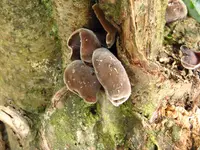
This disease is a wood-decaying fungal infection that attacks roots and lower trunk tissues, leading to structural weakness and canopy thinning over time. Symptoms include honey-brown shelf-like conks at the base, progressive dieback, and sometimes sudden branch failure in wind.

Solution

Remove severely affected trees, including as much of the infected stump and major roots as possible, to reduce inoculum in the area. Avoid trunk and root injuries, improve drainage slightly without overwatering, and keep irrigation lines and mulch away from the base of the tree to lower infection risk.

Sooty canker

This disease is a fungal infection that enters through bark wounds on stressed trees, producing black, sooty spores under cracked bark and causing branch dieback. Symptoms include sunken cankers, peeling bark with dark powdery tissue beneath, and gradual limb decline, especially on heat- or drought-stressed trees beyond what is normal for growing desert ironwood in arid climates.

Solution

Prune out infected branches back to sound wood, disinfecting pruning tools between each cut, and dispose of infected material away from other woody plants. Reduce stress by avoiding overpruning, preventing mechanical injury, and maintaining appropriate deep, infrequent irrigation rather than frequent shallow watering.

Interesting Facts

Ironwood heartwood density

The heartwood of this desert tree is so dense that it sinks in water and resists decay far longer than most North American hardwoods, which is why old dead trunks can persist on the desert floor for decades.

Desert nurse tree role

In its native Sonoran Desert, this species often acts as a nurse plant, providing shade and moderated temperatures that help young cacti and other seedlings establish under its canopy.

Hummingbird-pollinated flowers

The pale purple to whitish pea-like flowers produce nectar that attracts hummingbirds, which serve as important pollinators in addition to native bees.

Botan icon

Did you know?

This species is among the longest-lived trees in the Sonoran Desert, with some individuals estimated from growth ring and size studies to be several hundred years old, making mature specimens important long-term markers of desert landscape history.

FAQs about desert ironwood

Lack of flowering often relates to age, insufficient heat, or stress. Young trees may take many years to bloom. Poor drainage, root disturbance, or heavy pruning can also delay flowers. Focus on long-term stability, not quick blooms.

Grow Healthy Plants with Botan Care

Keep your plants happy and healthy with plant identification, disease detection, and easy care guidance.


Botan plant care app — identify plants on mobile

Explore More Plants