Substrate Pasteurization
Before inoculation, heat bulk substrate (such as hardwood sawdust with bran) at 150–170°F for 60–90 minutes to reduce competing fungi and bacteria without fully sterilizing the material.

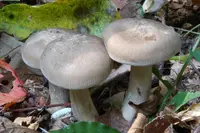
Fried chicken mushroom, Lyophyllum decastes, is a clustered saprophytic fungus rather than a leafy plant. It typically forms dense clumps of medium-sized, smooth-capped mushrooms with thick, pale stems. Colors range from gray-brown to tan, often blending with leaf litter. This species naturally occurs in temperate regions, especially in North America, Europe, and Asia, where it grows on disturbed soil, paths, and grassy edges. It is considered moderately approachable for those who want to care for Fried Chicken Mushroom, but correct identification is essential because similar species may be harmful. It generally prefers cool conditions, consistent moisture, and organically rich, well-drained soil or substrate.

Care Difficulty
Hard Care

Light Preference
Partial Shade

Water Requirements
Keep Soil Moist

Temperature Preference
Cool Climate

Hardiness Zone
Unknown

Soil Texture
Loamy, Silty, Organic-rich

Soil pH
Acidic (5.5–6.5), Slightly acidic (6.5–7.0)

Soil Drainage
Moist but well-drained

Fertilization
Minimal (feed rarely)
Scan your plant to receive care tips personalized for your specific plant
Available on iOS and Android
This saprophytic mushroom prefers bright but gentle outdoor light similar to open woodland edges.
This species grows best in consistently moist, well-drained organic substrates rather than in standing water.
This mushroom favors cool to mild conditions and fruits most reliably in moderate seasonal temperatures.
This mushroom-forming fungus prefers steadily moist, humid conditions around its fruiting zone.
Lyophyllum decastes fruits best in loose, organic-rich, evenly moist substrate rather than compact mineral soil.
This species can be grown in containers outdoors if the vessel is large and the substrate remains cool and evenly moist.
Lyophyllum decastes, a saprophytic mushroom, relies mainly on decaying organic matter rather than traditional fertilizers.
Lyophyllum decastes does not require conventional pruning, but selective harvesting maintains hygiene and productivity.
This species is usually managed by renewing or expanding substrate rather than traditional repotting.
New cultures are usually started from spawn rather than by casual propagation techniques.
Outdoor colonies of Lyophyllum decastes are naturally cold hardy and generally need minimal winter care in temperate climates.

Plant Health Check
Not sure what's wrong with your plant? Check your plant's health inside the app.
This species typically fruits in dense, sometimes overlapping clusters called cespitose clusters, often producing many caps from a single point of emergence, which makes it very conspicuous along paths and disturbed ground.
It commonly appears in human-modified habitats such as gravelly paths, compacted soil, roadsides, and landscaped areas, showing a strong association with disturbed, nutrient-rich substrates rather than undisturbed forest interiors.
It is considered an edible species in some field guides, but it closely resembles several problematic or poorly studied Lyophyllum and Entoloma species, so mycologists strongly emphasize careful microscopic identification before considering consumption.

This species often fruits in late summer to autumn in large, recurring colonies at the same disturbed sites year after year, indicating a persistent mycelial network in the soil that can remain established and productive over multiple seasons.
This species is generally considered edible when correctly identified, but there are similar-looking toxic mushrooms. Only experienced foragers should harvest it. Always cook thoroughly and avoid specimens from polluted areas like roadsides or industrial sites.
Keep your plants happy and healthy with plant identification, disease detection, and easy care guidance.