Use clean substrate
Prepare mushroom beds with well-aged compost or hardwood woodchips that are fully decomposed and free of fresh manure to reduce contamination and give the mycelium a stable, low-salt environment.

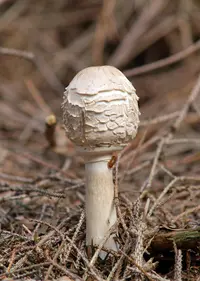
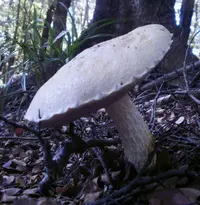
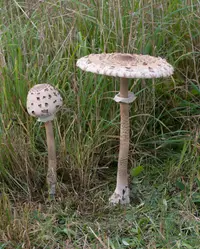
Shaggy parasol, Chlorophyllum rhacodes, is a large, fleshy mushroom rather than a traditional green plant. It produces a thick, white stem and a rounded cap that expands and splits into coarse, upturned scales, giving the surface a distinctly shaggy look.
This species grows on soil rich in organic matter, often in gardens, wood edges, compost heaps, and sometimes lawns across Europe, North America, and other temperate regions. It tends to appear in late summer to autumn, sometimes forming groups or rings.
Some people can eat it, but others react badly, so identification and handling require care. Anyone wanting to learn how to care for Shaggy Parasol should focus on moist, humus-rich soil and sheltered, lightly shaded sites.

Care Difficulty
Moderate Care

Light Preference
Partial Shade

Water Requirements
Regular Water

Temperature Preference
Cool Climate

Hardiness Zone
Unknown

Soil Texture
Loamy, Silty, Organic-rich

Soil pH
Acidic (5.5–6.5), Slightly acidic (6.5–7.0)

Soil Drainage
Moist but well-drained

Fertilization
Minimal (feed rarely)
Scan your plant to receive care tips personalized for your specific plant
Available on iOS and Android
This woodland mushroom prefers bright, indirect light that mimics dappled forest conditions rather than full, open sun.
Moist, well‑drained soil is essential for reliable fruiting of this species.
This fungus thrives in mild, temperate conditions with moderate swings between day and night.
This species tolerates a wide humidity range but fruits best in consistently moist air.
Chlorophyllum rhacodes prefers moist, airy, organic-rich ground that drains freely yet does not dry out quickly.
This mushroom is difficult but possible to grow in containers under controlled, outdoor or protected conditions.
Chlorophyllum rhacodes, often known as Shaggy Parasol, benefits from moderate nutrient support in cultivation.
Chlorophyllum rhacodes requires only light management rather than structured pruning.
This fungus is usually established outdoors, so care focuses on gentle transplanting rather than frequent repotting.
Propagation of Chlorophyllum rhacodes is possible but more specialized than typical ornamental plants.
In suitable climates this ground-dwelling fungus generally requires minimal winter care.

Plant Health Check
Not sure what's wrong with your plant? Check your plant's health inside the app.
This species often fruits abundantly in gardens, compost heaps, and disturbed soils rich in organic matter, reflecting its ecological role as a saprotroph that rapidly decomposes plant debris.
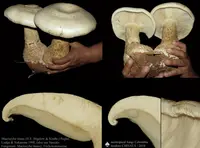
When the stem or cap flesh is cut or bruised, it quickly stains reddish to orangish-brown, a diagnostic feature that helps separate it from similar parasol-like mushrooms in the field.
Although sometimes reported as eaten in the past, it is now widely regarded as toxic because it frequently causes gastrointestinal upset, so foragers are advised to avoid consuming it.

Molecular studies have shown that this species, once placed in the genus Lepiota or Macrolepiota, is genetically distinct enough to sit in its own genus Chlorophyllum, which helped clarify several long-standing identification problems among large parasol-like mushrooms.
This species is considered poisonous for many people and pets. It can cause gastrointestinal upset such as nausea, vomiting, diarrhea, and abdominal pain. Sensitive individuals may react more strongly, so it should never be eaten or offered to animals.
Keep your plants happy and healthy with plant identification, disease detection, and easy care guidance.