Chromosera cyanophylla Care

Chromosera cyanophylla

About Chromosera cyanophylla

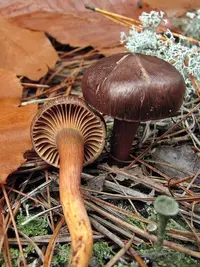
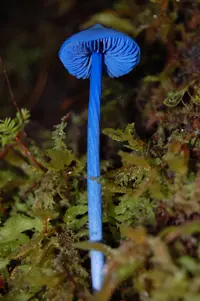
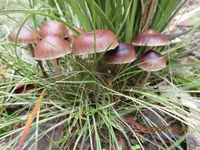
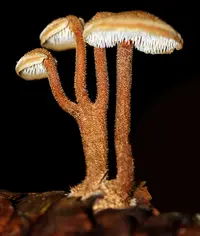
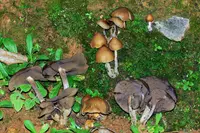
Chromosera cyanophylla is a small, wood-rotting fungus rather than a traditional leafy houseplant. It typically forms tight clusters of delicate, yellow to orange caps with striking bluish or violet tones on the gills or stem, especially in moist conditions.

This species is usually found on decaying conifer wood in cool, damp forests of North America and parts of Europe. It is difficult to cultivate at home because it depends on specific deadwood substrates and stable humidity, so most people enjoy it through field observation rather than trying to care for Chromosera cyanophylla indoors.

Main Plant Requirements

Care Difficulty

Hard Care

Light Preference

Shade

Water Requirements

Keep Soil Moist

Temperature Preference

Cool Climate

Hardiness Zone

Unknown

Soil Texture

Silty, Peaty, Organic-rich

Soil pH

Strongly acidic (4.5–5.5)

Soil Drainage

Moist but well-drained

Fertilization

Minimal (feed rarely)

Get Personalized Care Plan

Scan your plant to receive care tips personalized for your specific plant

Available on iOS and Android

How to Care for the Chromosera cyanophylla

This small woodland fungus thrives in cool, shaded to lightly dappled light conditions.

  • Provide bright shade or dappled light under trees, avoiding direct midday sun, which can desiccate fruiting bodies and underlying mycelium.
  • Allow brief early-morning or late-afternoon sun only in cool, moist sites; aim for 1–3 hours of low-angle light with the rest of the day in shade.
  • In summer, increase shade if caps bleach or dry at the edges; in darker seasons, reduce overstory density slightly to allow more filtered light.

Moist, cool, and consistently damp conditions are essential for stable fruiting of this fungus.

  • Maintain evenly moist, humus-rich substrate; never allow the top 2–3 cm to dry hard, but avoid standing water that smells sour or feels slimy.
  • Increase watering or misting frequency during warm, windy periods, using gentle applications so the substrate is damp throughout but not waterlogged.
  • Reduce supplemental moisture in cooler seasons while keeping the surface slightly damp; pale, shriveling caps suggest dryness, while soft, collapsing caps with a sour odor suggest overwatering.

This species prefers cool conditions and does best where temperatures stay moderate through the growing season.

  • Aim for growth in the range of 45–65°F (7–18°C), which mimics cool forest floors where Chromosera cyanophylla naturally occurs.
  • Protect from hard frost below 28°F (-2°C), which can damage fruiting bodies, and from heat above 75°F (24°C), which accelerates drying and decay.
  • In warmer regions, favor shady, north-facing or sheltered microclimates; in colder areas, choose sites that buffer sudden freezes, such as near stones or decaying logs.

This species benefits from consistently moist, cool air and responds clearly to humidity changes.

  • Aim for 60–80% humidity, mimicking the damp forest habitats where Chromosera cyanophylla naturally occurs.
  • Tolerates brief dips to 40–50%, but prolonged dry indoor air causes shriveling, dull caps, and brittle tissues.
  • Increase humidity with a nearby cool-mist humidifier or enclosed, ventilated terrarium rather than misting directly.

This fungus requires consistently moist, airy, organic-rich substrate rather than standard potting soil.

  • Use a loose mix of well-rotted hardwood chips, leaf litter, and a small amount of peat or coco coir for moisture retention.
  • Ensure very rapid drainage so the substrate stays damp but never waterlogged, which encourages anaerobic rot and competing molds.
  • Keep pH slightly acidic to neutral (about 5.5–7.0) by avoiding lime and using naturally acidic leaf mold where possible.
  • Improve aeration by incorporating coarse bark pieces and avoiding fine, compacting materials like heavy garden loam.

This species is only moderately suitable for container culture and needs careful substrate and moisture control.

  • Choose a deep, ventilated box or tub that allows a thick layer of wood-based substrate without compressing the mycelium zone.
  • Drill extra side and bottom holes so excess water escapes quickly and oxygen can reach the colonized substrate layers.
  • Use opaque or dark containers to limit light on the colonized substrate, which helps maintain a cooler, more stable microclimate.

This terrestrial fungus typically grows in nutrient-rich forest substrates and usually needs no additional feeding in cultivation.

Pruning is not applicable, as Chromosera cyanophylla is a small, short-lived mushroom rather than a leafy plant or shrub.

Transplanting this forest-floor fungus is rarely successful and generally not recommended outside specialized mycological cultivation.

  • If moved at all, transfer only small sections of the original substrate, keeping mycelium and surrounding soil or wood intact.
  • Work during the natural growing season and avoid disturbing fruiting bodies, which are the visible mushrooms.
  • Keep the new site conditions as close as possible to the original: cool, evenly moist, shaded, and with similar organic matter.
  • Minimize handling time so the mycelium does not dry out, and water gently to settle the substrate after relocation.

Propagation of Chromosera cyanophylla is specialized and typically limited to spore-based or mycelial culture methods used by experienced growers.

  • Spore collection is done from mature caps placed on sterile paper or foil to obtain a spore print.
  • For controlled culture, spores or mycelium are transferred to sterile agar or grain under laboratory-grade clean conditions.
  • Maintain cool, stable temperatures, high humidity, and low light to encourage mycelial colonization of the chosen substrate.
  • Field expansion relies on leaving undisturbed habitat so existing mycelium can spread naturally through suitable organic material.

In natural habitats this fungus survives winter as underground mycelium, so direct winter care is usually unnecessary.

  • Avoid deep disturbance or soil removal in colonized areas during winter, which can damage resting mycelium.
  • If cultivated in containers, keep substrate just barely moist and stored in a cold but frost-free, shaded location.
  • Do not apply de-icing salts or harsh chemicals near growing sites, as they can harm fungal tissue and soil biology.

Care Tips

Cool-down period

Provide a cool rest period of 40–50°F for 6–10 weeks after flowering by moving the pot or tray to a shaded, ventilated cold frame or unheated garage, which helps set buds for the next season when growing Chromosera cyanophylla.

Moss layer management

Maintain a thin (0.5–1 cm) live or dried sphagnum layer over the substrate to stabilize moisture, but trim or thin it monthly so it does not smother emerging fruiting bodies or new mycelial growth.

Substrate renewal cycle

Refresh 25–30% of the upper substrate every 1–2 years by carefully scraping away the top layer and replacing it with a fresh, matching mix to prevent compaction and nutrient imbalances while keeping the mycelium largely undisturbed.

Gentle air movement

Use a small fan on the lowest setting placed 1–2 m away to keep air slowly moving across the colony during active growth, which reduces fungal disease risk and encourages sturdier fruiting bodies.

Careful handling protocol

Handle trays or pots by the sides and avoid jarring or tapping, since sudden shocks can damage the delicate mycelial network and reduce future fruiting density.

Common Pests and Diseases

Fungus gnats

This pest is attracted to constantly wet, organic-rich substrates used for cultivating Chromosera and can breed in saturated moss or soil mixes. Adults are often seen flying near the culture, while larvae feed in the upper, moist layer of the medium.

Solution

Allow the substrate surface to approach just-barely moist between waterings, improve drainage, and increase air movement around the cultures. Use yellow sticky traps to reduce adults and, if needed, drench the medium with a biological control such as Bacillus thuringiensis israelensis (BTI) according to label directions to target larvae without harming the fungus.

Mite contamination

These insects (actually arachnids) can appear in very humid culture boxes or terraria and may graze on developing fruiting bodies or compete for nutrients on the substrate. Symptoms include slowed or distorted mushroom formation and visible tiny moving specks on the surface.

Solution

Reduce overcrowding in culture containers, increase ventilation, and avoid overfeeding the substrate with rich organics that favor mite buildup. Physically remove heavily infested cultures, and where appropriate use heat treatment of empty containers and tools plus careful sourcing and quarantine of new substrates to prevent reintroduction.

Trichoderma green mold

This disease is caused by aggressive Trichoderma fungi that colonize nutrient-rich substrates and can rapidly overgrow Chromosera cultures. Symptoms include dense, rapidly spreading white mycelium that soon turns bright to dark green from abundant spores.

Solution

Immediately remove and discard contaminated cultures to avoid spore spread, and disinfect work surfaces, tools, and containers with 70% alcohol or a suitable disinfectant. For new attempts at growing Chromosera cyanophylla, use well-pasteurized or sterilized substrate, maintain good airflow, avoid overwatering, and practice clean handling to keep competitive molds out.

Bacterial blotch

This disease thrives in stagnant, overly wet conditions on fruiting bodies and can cause translucent, water-soaked spots that turn slimy and discolored. Symptoms include soft, collapsed tissue patches on caps and stems, often with a wet sheen.

Solution

Lower surface moisture by reducing misting frequency, provide stronger but gentle airflow, and avoid water droplets sitting on fruiting bodies for long periods. Remove and discard severely affected tissue and keep tools and culture containers clean to limit bacterial spread between colonies.

Interesting Facts

Unusual blue gill edges

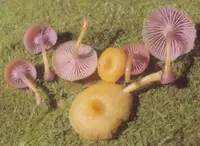
The species is notable for the distinct bluish to cyan margins on its gills, a feature that helps distinguish it from related yellow waxcap-like fungi in the field.

Strong preference for conifers

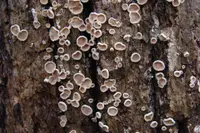
It typically fruits on very decayed, moss-covered wood of conifer trees, especially spruce and fir, in cool, moist forest habitats.

Slimy yellow caps

The caps are bright yellow and become distinctly slimy when wet, an adaptation that helps protect the fruiting body from desiccation in exposed microhabitats.

FAQs about Chromosera cyanophylla

This species performs best outdoors in cool, humid, shaded woodland conditions that mimic its natural habitat. Indoors it is difficult to maintain adequate humidity, airflow, and a suitable substrate, so long-term success inside is uncommon.

Grow Healthy Plants with Botan Care

Keep your plants happy and healthy with plant identification, disease detection, and easy care guidance.

Botan plant care app — identify plants on mobile

Explore More Plants