Psilocybe zapotecorum Care

Psilocybe zapotecorum

About Psilocybe zapotecorum

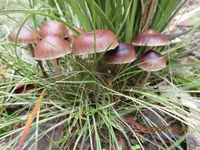
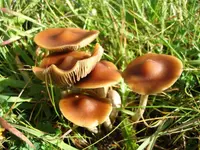
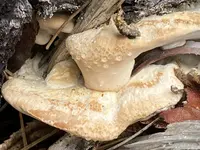
Psilocybe zapotecorum is a wood-inhabiting mushroom species, not a typical houseplant. It forms slender stems with conical to bell-shaped caps that often bruise bluish. In nature it occurs in humid, shaded forest environments, especially in parts of Mexico and Central America.

This species favors consistently moist, organic-rich substrates and stable humidity, which makes it challenging to reproduce reliably in home conditions. Anyone wanting to learn how to care for Psilocybe zapotecorum should understand that it is sensitive to changes in moisture, airflow, and contamination, so stable, clean conditions are essential.

In cultivation, it grows best in cool to mild temperatures, low light, and protected, damp environments that mimic its native forest floor habitats.

Main Plant Requirements

Care Difficulty

Hard Care

Light Preference

Shade

Water Requirements

Keep Soil Moist

Temperature Preference

Tropical / Frost Sensitive

Hardiness Zone

Unknown

Soil Texture

Loamy, Silty, Organic-rich

Soil pH

Acidic (5.5–6.5)

Soil Drainage

Moist but well-drained

Fertilization

Minimal (feed rarely)

Get Personalized Care Plan

Scan your plant to receive care tips personalized for your specific plant

Available on iOS and Android

How to Care for the Psilocybe zapotecorum

This woodland fungus prefers low light levels that mimic a shaded forest floor.

  • Provide bright shade or dappled light, such as beneath shrubs or trees, with no more than 1–2 hours of weak, early-morning sun.
  • Avoid direct midday or afternoon sun, which can overheat the substrate, dry it out quickly, and damage developing Psilocybe zapotecorum fruiting bodies.
  • Use leaf litter, shade cloth, or natural canopy to maintain consistently low, filtered light, especially in summer when sun intensity is highest.

This species needs consistently moist but not waterlogged conditions around its substrate.

  • Aim for evenly damp substrate; the surface can be slightly dry while the layer 2–5 cm below remains moist to the touch.
  • Increase moisture during active growth or fruiting, using fine, gentle watering or misting so the substrate stays moist without standing water.
  • Reduce watering in cooler seasons to prevent rot; signs of overwatering include sour odor and slimy patches, while underwatering shows as dry, shrinking substrate.

This fungus prefers cool to mild temperatures similar to a shaded, humid forest understory.

  • Maintain an ideal range of 60–72°F (16–22°C) for reliable growth and fruiting, with stable conditions and high humidity.
  • Protect from cold below 40°F (4°C), as repeated exposure near freezing can damage mycelium and reduce future fruiting.
  • Limit heat above 80°F (27°C); sustained high temperatures combined with dry air can stall growth and increase contamination risks for Psilocybe zapotecorum.

This fungus requires consistently high humidity to fruit reliably in cultivation.

  • Maintain 85–95% relative humidity during active growth and fruiting, using a humidifier or misting system in enclosed setups.
  • Low humidity causes caps to crack, edges to dry, and pins to abort before developing into full fruiting bodies.
  • Increase humidity by using a tent or tub with ample fresh air exchange, moistened perlite, and fine misting without leaving standing water.

Psilocybe zapotecorum develops best in a moist, airy, organic-rich substrate rather than mineral garden soil.

  • Use a loose mix based on pasteurized straw, well-leached manure, or coir with added vermiculite to hold moisture while staying airy.
  • Aim for a slightly acidic to neutral pH around 6.0–7.0, avoiding liming agents that push the substrate strongly alkaline.
  • Ensure very rapid drainage; the substrate should feel evenly moist but never compressed, muddy, or waterlogged at the bottom of the container.
  • Improve aeration by keeping the substrate fluffed, avoiding compaction, and including coarse particles that create small air pockets throughout.

This species can be grown in containers under controlled, specialized conditions rather than typical household pots.

  • Choose wide, shallow tubs or trays so the colonized substrate layer stays relatively thin and oxygen can diffuse through the entire profile.
  • Drill multiple small holes on the sides near the surface level to balance gas exchange while preventing rapid drying of the substrate edge zone.
  • Use rigid plastic containers that do not flex when moved, so the colonized substrate block remains undisturbed and does not crack away from the walls.

This woodland fungus relies mainly on naturally rich, decaying organic matter, so added fertilizer for Psilocybe zapotecorum is generally unnecessary and can be harmful.

As a mushroom-forming fungus, Psilocybe zapotecorum is not managed by pruning in the way vascular plants are.

Cultivation is typically done in sterile substrate rather than traditional pots, so repotting or transplanting focuses on renewing the growing medium.

  • Replace spent substrate when mycelium productivity declines or contamination appears, rather than on a fixed schedule.
  • Time any transfer to a clean container just before a new flush, when mycelium is vigorous and actively colonizing.
  • Handle colonized substrate blocks gently, avoiding breaking them apart to limit stress and contamination risk.
  • Move the entire colonized block into fresh, compatible substrate under hygienic conditions to maintain growth.

Reproduction of Psilocybe zapotecorum is usually approached as a specialized mycology task rather than routine home propagation.

This species is not treated as a hardy landscape plant, so winter care centers on maintaining stable indoor culture conditions.

  • Keep colonized substrate in a controlled environment around 60–70°F, avoiding temperature swings and drafts.
  • Do not allow substrate to freeze, as freezing can kill or severely weaken the mycelium.
  • Maintain moderate humidity and gentle air exchange to limit drying while discouraging mold growth.

Care Tips

Clean-room workflow

Set up a small, easy-to-disinfect workspace with smooth, non-porous surfaces and wipe down tools, gloves, and work area with 70% isopropyl alcohol before any handling of cultures or substrates to reduce contamination risk.

Use spawn in layers

When filling trays or bags, alternate thin layers of fully colonized spawn with bulk substrate instead of mixing everything at once; this creates more even colonization and reduces pockets where contaminants can establish.

Targeted fresh air

Provide brief, regular fresh air exchange by fanning or opening vents 3–6 times daily rather than leaving fruiting chambers constantly open, which helps maintain high humidity while reducing CO2 buildup and bacterial growth.

Surface scratching technique

If colonization stalls near the surface, gently scratch or break up the top 2–3 mm of substrate with a sterile fork to stimulate renewed mycelial growth and close small gaps that invite mold.

Harvest in flushes

Harvest entire clusters at the same maturity and then lightly mist and rest the substrate for several days so it can rehydrate and reorganize mycelium, which often leads to more uniform subsequent flushes when growing Psilocybe zapotecorum.

Common Pests and Diseases

Green mold (Trichoderma)

This disease appears as fast-spreading bright green patches on the substrate or casing, often outcompeting the mycelium and stalling mushroom production.

Solution

Remove and discard heavily contaminated trays or blocks, improve air exchange and cleanliness in the grow area, and avoid overwatering the substrate. For future cycles, pressure-sterilize or properly pasteurize substrate, use clean tools, and reduce spore load by wiping surfaces with 70% isopropyl alcohol or a dilute bleach solution (1:10).

Cobweb mold

This disease shows as very fine, gray to whitish, web-like growth that spreads quickly over the casing or substrate and can smother developing fruiting bodies.

Solution

Increase fresh air exchange and lower humidity slightly to slow its spread, then spot-treat affected areas with a fine mist of 3% hydrogen peroxide diluted 1:1 with clean water. Remove heavily affected substrate, and for future cycles, keep air filters, walls, and tools clean to prevent spores from building up during Psilocybe zapotecorum indoor care.

Bacterial blotch

This disease causes slimy, greasy-looking yellow or brown spots on caps, often starting where standing water sits on the mushroom surface.

Solution

Reduce direct misting on caps, focus on humidifying the air instead, and improve airflow so surfaces dry quickly after humidity cycles. Remove affected mushrooms promptly and sanitize the grow space between flushes using a mild bleach solution to reduce bacterial load.

Fungus gnats

These insects are small, dark flies attracted to moist, organic substrates, where larvae feed on mycelium and fine root-like structures, leading to weak or patchy colonization.

Solution

Use yellow sticky traps to reduce adult populations and allow the substrate surface to dry very slightly between misting cycles while keeping internal moisture stable. Seal gaps in the grow area, use fine mesh on vents, and consider introducing Bacillus thuringiensis israelensis (BTi) in the hydration water to target larvae without harming mycelium.

Mites

This pest includes tiny arthropods that may feed on mycelium or decaying substrate, causing slow colonization, deformed pins, or uneven flushes.

Solution

Discard heavily infested blocks or trays, and thoroughly clean and dry the growing area, shelves, and tools before starting a new cycle. For prevention, store grains and substrates sealed, avoid bringing in outdoor materials without pasteurization or sterilization, and use fine mesh filters on air inlets to reduce mite entry.

Interesting Facts

Oaxacan cloud-forest specialist

This species is strongly associated with humid montane cloud forests of Oaxaca and neighboring regions, where it often grows near seeps, stream banks, and other persistently wet microhabitats rich in decaying plant material.

Robust, clustered fruiting

It commonly produces large, dense clusters of mushrooms with thick, often curved stems and broad caps, a growth pattern that helps distinguish it in the field from many smaller, more delicate Psilocybe species.

Distinctive bluing reaction

Like several related species, it shows a pronounced blue staining reaction on damaged tissue, but in this species the reaction is typically strong and widespread on the cap and stem, which field mycologists use as a key identification character.

Botan icon

Did you know?

Ethnomycological records from parts of southern Mexico describe this species as one of the traditional fungi used in ceremonial contexts by Zapotec communities, where it has been known under local names and carefully distinguished from non-ceremonial mushrooms.

FAQs about Psilocybe zapotecorum

This species contains psychoactive and potentially toxic compounds. Ingestion can cause strong neurological and psychological effects, nausea, and other adverse reactions. It must be kept away from children, pets, and anyone not fully informed and consenting.

Grow Healthy Plants with Botan Care

Keep your plants happy and healthy with plant identification, disease detection, and easy care guidance.

Botan plant care app — identify plants on mobile

Explore More Plants