Antrodia heteromorpha Care

Antrodia heteromorpha

About Antrodia heteromorpha

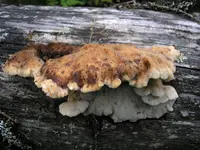
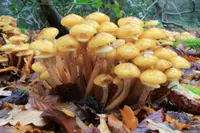
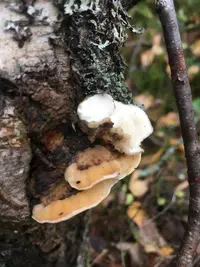
Antrodia heteromorpha is a wood-decaying fungus rather than a leafy houseplant. It typically forms tough, bracket-like fruiting bodies on dead or dying trees. Surfaces are often zoned or layered in color, with a firm, corky texture that persists for a long time on the wood. In nature, it occurs in forested regions, especially on conifer logs and stumps. This species plays an ecological role in breaking down lignin and cellulose, the main structural components of wood. It is not commonly grown in home settings, and how to care for Antrodia heteromorpha is rarely discussed outside specialist or research contexts, since it depends on access to suitable dead wood and stable, humid conditions.

Main Plant Requirements

Care Difficulty

Moderate Care

Light Preference

Partial Shade

Water Requirements

Moderate Water

Temperature Preference

Warm Climate

Hardiness Zone

Unknown

Soil Texture

Loamy

Soil pH

Slightly acidic (6.5–7.0)

Soil Drainage

Well-drained

Fertilization

Minimal (feed rarely)

Get Personalized Care Plan

Scan your plant to receive care tips personalized for your specific plant

Available on iOS and Android

How to Care for the Antrodia heteromorpha

This fungus prefers stable forest-like light conditions with weak, indirect sun rather than full open exposure.

  • Provide dappled or filtered light, similar to a shaded woodland edge, with only 1–3 hours of soft morning sun if growing Antrodia heteromorpha near openings.
  • Avoid strong midday and afternoon sun, which can overheat the substrate and dry woody hosts; use shade cloth or natural canopy cover in exposed sites.
  • In summer, increase shading as sun intensity rises; in winter, allow a bit more light while still avoiding direct, scorching rays.

Moisture management focuses on keeping the woody substrate evenly damp but never saturated.

  • Allow the outer 2–5 cm of the host wood or surrounding medium to dry slightly before rewetting, using slow, gentle watering to avoid runoff.
  • Use a very well-drained, airy medium or intact wood so excess water can escape; persistent puddling, sour smell, or soft, collapsing tissue indicate overwatering.
  • During cooler months, reduce watering frequency as evaporation slows; pale, shriveling or brittle tissue suggests underwatering and calls for more consistent moisture.

This species performs best in cool to mild conditions, similar to a sheltered forest floor.

  • Aim for 55–70°F (13–21°C) for active growth, providing shade and airflow to prevent heat buildup around the substrate.
  • Short exposures down to about 40°F (4°C) are usually tolerated, but repeated frosts or hard freezes below 32°F (0°C) can damage fruiting bodies and slow colonization.
  • In hot periods above 80°F (27°C), prioritize shade, humidity, and ventilation, since prolonged heat and drying drastically reduce growth and fruiting potential.

This species prefers moderate, slightly moist air rather than very dry or tropical conditions.

  • Aim for 40–60% relative humidity to keep Antrodia heteromorpha tissues from drying and cracking.
  • Tolerates short periods of drier air, but prolonged humidity below 35% can cause shriveling or pale, dull surfaces.
  • If air is dry, increase humidity with a nearby open tray of water, grouped plants, or a room humidifier, not misting.

This species benefits from a loose, well-aerated, organic-rich substrate that drains rapidly but does not stay bone-dry.

  • Use a mix of roughly 50% fine bark or wood-based compost, 25% perlite or pumice, and 25% coarse sand to mimic decaying wood conditions.
  • Ensure the substrate is crumbly and open-structured so air can move around the mycelium and excess water drains within minutes.
  • Aim for slightly acidic conditions, around pH 5.5–6.5, which support nutrient availability and discourage many competing fungi.
  • Avoid dense garden soil, peat-heavy mixes that stay wet for days, and containers without free-draining holes, which promote rot.

This species can be grown in containers if the setup mimics well-drained, wood-based habitats.

  • Select a deep, stable container that allows a thick layer of woody substrate so the organism can colonize vertically as well as across the surface.
  • Use a rigid pot material such as plastic or ceramic that holds moisture evenly while still allowing rapid drainage through large base holes.
  • Raise the container on feet or blocks so drainage holes never sit in collected runoff, preventing stagnant water around the colonized substrate.

This wood-decaying fungus typically needs no fertilizer when grown on suitable hardwood logs or stumps.

Antrodia heteromorpha does not require pruning, since the visible body is a fungal fruiting structure that forms and decays naturally.

This species is not suited to standard container culture, so focus on positioning fresh wood substrates rather than repotting.

  • Transplant only by introducing colonized wood to a new, similar hardwood log or stump in cool, moist weather.
  • Move sections with visible mycelium carefully, keeping them shaded and damp during transfer.
  • Avoid disturbing colonized wood repeatedly, as this stresses the fungal network and can reduce fruiting.
  • Maintain stable moisture in the new site to help the organism re-establish after transplanting.

Propagation of Antrodia heteromorpha is specialized and usually done by advanced growers or researchers.

In the ground on hardy host wood, this fungus generally needs no special winter care in temperate climates.

Care Tips

Encourage Branching

When young brackets are 1–2 in across, lightly score the upper surface with a sterile blade to encourage more irregular, thicker fruiting bodies, then disinfect tools with 70% alcohol to avoid spreading fungi or bacteria.

Rotate Harvest Sites

If cultivating on multiple logs, harvest from different logs in rotation rather than repeatedly from the same one so each log can recover its energy reserves and produce more stable future flushes.

Log Moisture Monitoring

Weigh a representative inoculated log when freshly saturated and record its weight, then re-soak when the log weight drops by about 20–25% to keep internal moisture in the ideal range without constant guesswork.

Shaded Windbreak Setup

Position culture logs behind a shade cloth or solid windbreak so air movement is gentle rather than direct, which helps brackets form evenly without cracking or becoming misshapen in drying winds.

Structured Sanitation

Establish a fixed routine for surface cleaning of benches, trays, and nearby tools every 2–3 weeks with a dilute bleach or peroxide solution, which significantly reduces contamination pressure when caring for Antrodia heteromorpha in repeated production cycles.

Common Pests and Diseases

Bark-boring beetles

This pest targets the woody brackets and underlying dead host wood, creating galleries that weaken and fragment the fruiting bodies. Symptoms include small round exit holes, frass-like sawdust, and accelerated drying or crumbling of the brackets.

Solution

Remove and dispose of heavily infested fruiting bodies to reduce beetle breeding sites, and store collected basidiocarps in cool, dry, insect-proof containers. For cultivation or display, keep logs and shelves clean, minimize outdoor wood debris nearby, and use fine mesh or physical barriers if chronic beetle issues develop.

Wood-decay competitor fungi

This disease issue arises when faster-growing saprotrophic fungi colonize the same log or stump and outcompete the target species. Symptoms include different-colored crusts or brackets, patchy or stunted Antrodia growth, and zones where the original fungus disappears.

Solution

Cut away and discard sections of wood heavily colonized by competing fungi and prioritize fresh, sound hardwood with intact bark for growing Antrodia heteromorpha. Keep culture conditions stable and moderately dry at the surface to favor the established colony, and avoid repeatedly wetting surrounding soil or wood, which promotes aggressive competitors.

Mite infestation

These insects-like arthropods feed on spores and soft tissue of the fruiting bodies, leading to pitted surfaces, dust-like movement on the pores, and reduced spore production. This pest often appears in warm, stagnant, high-humidity storage or grow spaces.

Solution

Physically brush or blow mites off dried specimens and improve ventilation and cleanliness in storage and grow areas. For cultivation, lower humidity slightly, remove heavily infested brackets, and use sticky traps and tight-sealing containers to limit reinfestation without resorting to broad-spectrum chemicals near the fungus.

Mold contamination

This disease is caused by opportunistic molds such as Trichoderma or Penicillium that colonize the surface of fruiting bodies or stored material. Symptoms include green, white, or blue fuzzy patches, musty odor, and softening or discoloration of the brackets.

Solution

Discard sections with heavy mold growth and dry remaining material quickly at 90–110°F with good airflow to limit further spread. During growing Antrodia heteromorpha on logs or blocks, reduce overcrowding, lower surface moisture, sanitize tools, and avoid splashing water directly onto the fruiting bodies.

Interesting Facts

Woody bracket form

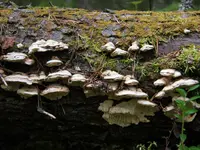
This species forms tough, woody, shelf‑like fruiting bodies on dead conifer wood, often with overlapping brackets that can persist for several years on the same trunk or log.

Pore surface structure

Instead of gills, it has a pale to yellowish pore surface on the underside, with numerous tiny tubes where basidiospores are produced and released into the air.

Host preference pattern

It is most frequently recorded on dead or fallen coniferous trees such as firs and spruces in temperate East Asian forests, where it contributes to the decomposition of lignin‑rich wood.

FAQs about Antrodia heteromorpha

This fungus is a perennial, meaning the same organism can persist and produce fruiting bodies over multiple years. Individual brackets may weather and decay, but the underlying mycelium in the wood often survives and regrows seasonally.

Grow Healthy Plants with Botan Care

Keep your plants happy and healthy with plant identification, disease detection, and easy care guidance.

Botan plant care app — identify plants on mobile

Explore More Plants