Beaked Earthstar Care (Geastrum pectinatum)

Beaked Earthstar

About Beaked Earthstar

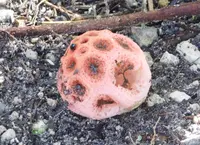
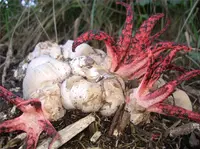
Beaked earthstar (Geastrum pectinatum) is an earthstar fungus, not a true plant, valued for its unusual star-shaped fruiting body. When mature, the outer layer splits into pointed arms that lift a central spore sac with a distinct beak-like opening. This gives it a sculptural, almost architectural look on the forest floor.

It occurs mainly in temperate regions of Europe, North America, and parts of Asia, usually in leaf litter or sandy, well-drained soils under trees. It is considered challenging to cultivate because it depends on complex soil fungi relationships and specific woodland conditions, so most people do not actively care for Beaked Earthstar at home.

In nature, it prefers undisturbed, moist but not waterlogged habitats with dappled light and plenty of decaying organic matter.

Main Plant Requirements

Care Difficulty

Moderate Care

Light Preference

Partial Shade

Water Requirements

Moderate Water

Temperature Preference

Warm Climate

Hardiness Zone

Unknown

Soil Texture

Loamy, Organic-rich

Soil pH

Slightly acidic (6.5–7.0)

Soil Drainage

Well-drained

Fertilization

Minimal (feed rarely)

Get Personalized Care Plan

Scan your plant to receive care tips personalized for your specific plant

Available on iOS and Android

How to Care for the Beaked Earthstar

This woodland fungus prefers subdued forest light rather than direct, open sun.

  • Site Geastrum pectinatum in dappled or filtered light under trees, roughly 2–4 hours of weak morning sun or bright shade for the rest of the day.
  • Avoid intense midday or afternoon sun; prolonged exposure can dry the fruiting bodies and surrounding leaf litter, reducing spore production.
  • In summer, ensure partial shade from 10 a.m.–4 p.m.; in late autumn, when the canopy thins, natural light increase is usually acceptable without extra shading.

This saprobic fungus relies on consistently moist, not saturated, soil rich in organic debris.

  • Aim for forest‑floor conditions: leaf litter that feels slightly damp 1–3 cm down, with no standing water or sticky, waterlogged patches.
  • Increase moisture during dry spells by lightly soaking the surrounding soil, then allowing the surface to drain so it feels moist but crumbly rather than muddy.
  • Poor drainage, algae growth, or a sour smell indicate overwatering, while crisp, brittle litter and shrinking fruiting bodies suggest the substrate is too dry.

This species is adapted to cool to mild woodland climates and fruits best in moderate temperatures.

  • Optimal activity occurs around 50–68°F (10–20°C), which favors steady decomposition and reliable fruiting on the forest floor.
  • It tolerates brief drops near 32°F (0°C), but repeated hard frosts below 28°F (-2°C) can damage or halt fruiting structures.
  • Sustained heat above 77–86°F (25–30°C) combined with dry air often suppresses fruiting, so shaded, moist microsites are important in hot summers.

Humidity plays a minor role for this fungus, which copes well with typical outdoor air levels.

  • Target 40–60% humidity if attempting Beaked Earthstar culture in a controlled setting, similar to average outdoor woodland air.
  • Dry air alone rarely harms it, but prolonged hot, desiccating winds can slow development of fruiting bodies.
  • If needed, raise humidity locally by placing trays of moist leaf litter nearby rather than misting directly onto the fruiting bodies.

Geastrum pectinatum develops best in loose, free-draining, organically enriched substrates that mimic forest litter or sandy woodland soils.

  • Use a mix of 40% leaf mold or compost, 40% sandy or loamy mineral soil, and 20% coarse material such as grit or fine bark for drainage.
  • Aim for slightly acidic to neutral pH around 6.0–7.0, avoiding strongly limy or saline substrates that can suppress fungal activity.
  • Maintain a crumbly, aerated structure; avoid compaction by not treading or pressing the surface where the fungus is expected to fruit.
  • Do not use heavy clay, waterlogged ground, or peat-only mixes, which limit oxygen and can cause rot of the subterranean fungal tissue.

This species is not naturally suited to ornamental container culture, but experimental container growing is possible for study purposes.

  • Choose a broad, shallow container so the fungal mycelium can spread laterally beneath a thin layer of substrate and leaf litter.
  • Drill or use multiple side and base drainage holes to prevent stagnant pockets that would favor competing molds.
  • Place the container outdoors in a sheltered, semi-shaded spot so rainfall can moisten the substrate without causing prolonged saturation.

This fungus naturally grows on nutrient-rich forest litter and usually does not need additional fertilizer in cultivation.

Geastrum pectinatum does not require pruning in the usual horticultural sense because it is a saprophytic fungus, not a leafy plant.

When grown for observation in containers or trays, this earthstar is best moved only when necessary to avoid disturbing the mycelium.

  • Transplant in late fall or early spring, when the fungus is least active and soil handling causes less stress.
  • Watch for signs like exhausted, compacted substrate or contamination rather than root circling, since the organism lacks true roots.
  • Prepare a fresh, well-drained, organic litter mix and gently transfer the colonized substrate block with minimal breaking.
  • Keep moisture steady after moving, avoiding waterlogging, so the hidden mycelial network can re-establish contact with the new medium.

Propagation of this species is rarely attempted at home because it depends on complex soil fungi relationships and spore dispersal.

This ground-dwelling fungus is naturally cold hardy in temperate climates and usually needs no special winter care outdoors.

Care Tips

Spore-safe handling

Collect or observe mature fruiting bodies using a soft brush or tweezers instead of fingers to avoid crushing the rays and to keep the spore mass intact for clean, controlled dispersal trays.

Microhabitat replication

When setting up a culture tray, add a thin top layer of partially decomposed leaf litter from a healthy woodland and keep it slightly compressed to mimic the compact forest-floor microhabitat this fungus prefers.

Leaf-litter refresh

Replace the upper 0.5–1 in of leaf litter and duff every 6–12 months to prevent salt buildup and compaction while keeping the underlying mycelium layer undisturbed.

Minimal disturbance zones

Mark and avoid stepping or digging directly above known colonies so the shallow mycelium network and fine feeder roots of nearby trees stay intact, which strongly supports growing Beaked Earthstar.

Targeted slug control

Use low-profile, iron-phosphate slug baits or buried beer traps set just outside the colony margin to prevent damage to developing fruiting bodies without contaminating the immediate fungal habitat.

Common Pests and Diseases

Parasitic fungi

This disease involves other fungi colonizing fruiting bodies and feeding on their tissues, often causing deformation, discoloration, or premature collapse. Symptoms include patchy growth on the rays or spore sac and a failure to open or mature normally.

Solution

Carefully remove and dispose of affected fruiting bodies to reduce local spore load, and avoid disturbing or transporting contaminated substrate. If cultivating in a controlled bed, refresh the organic substrate, maintain good air movement, and avoid prolonged surface wetness to limit further colonization, following general Geastrum pectinatum care instructions regarding moisture balance.

Slugs and snails

These pests feed on soft tissue of young or partially expanded earthstar rays, leaving ragged edges, holes, and slime trails. Damage often occurs during cool, damp periods when fruiting bodies first emerge from the soil or leaf litter.

Solution

Hand-pick slugs and snails during the evening or early morning and relocate them away from the cultivation area. Use copper tape barriers, rough mineral mulches, or shallow beer traps around beds to reduce feeding pressure while keeping leaf litter slightly thinned so earthstars are visible for monitoring.

Springtails

These insects live in moist organic matter and can congregate on immature earthstar fruiting bodies, sometimes grazing lightly on surface tissues or developing spores. This pest usually causes minor cosmetic damage but can distort very young structures under crowded conditions.

Solution

Reduce excess surface moisture by improving drainage and watering less frequently at the soil surface, allowing the top layer of substrate to dry slightly between waterings. Gently brush or rinse springtails off fruiting bodies and, if needed, move some decaying organic material away from the immediate area to lower their population density.

Mite colonization

These insects are tiny arthropods that may feed on fungal tissues or spores, leading to pitting, roughened surfaces, and uneven opening of rays. Symptoms include fine speckling or powdery debris on the spore sac and movement visible under close inspection or magnification.

Solution

Remove heavily colonized fruiting bodies and discard them away from the growing site. For cultivated setups, lower excessive humidity, increase gentle airflow, and avoid dense, stagnant leaf-litter pockets; in enclosed displays, a brief cool, drier period often reduces mite activity without chemical treatment.

Interesting Facts

Distinct beaked opening

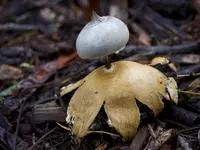
When mature, this fungus forms a pointed beak-like tube above the central spore sac, through which spores are released, a feature that helps distinguish it from many other earthstar species.

Hygroscopic star arms

The outer layer splits into narrow, strongly recurved rays that respond to moisture, opening and curling back to lift the spore sac above the soil surface and improve spore dispersal.

Preference for rich soils

It typically appears in nutrient-rich, often calcareous or humus-heavy soils, including under conifers or mixed woodland litter, and is considered a relatively infrequent but widespread species in temperate regions.

Botan icon

Did you know?

In some European countries, including parts of Northern and Central Europe, Geastrum pectinatum is considered rare enough that records of new localities are used as indicators of valuable, relatively undisturbed woodland habitats.

FAQs about Beaked Earthstar

This fungus performs best outdoors in natural, undisturbed soil where seasonal moisture and temperature changes trigger fruiting. Indoors it rarely completes its life cycle, so Beaked Earthstar indoor care is mainly limited to short-term display of collected specimens.

Grow Healthy Plants with Botan Care

Keep your plants happy and healthy with plant identification, disease detection, and easy care guidance.

Botan plant care app — identify plants on mobile

Explore More Plants