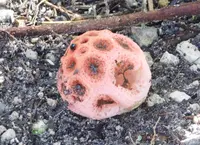
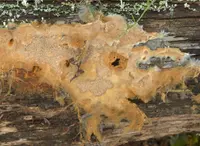
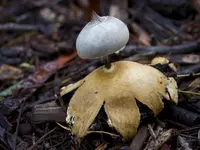
fused polypore Care (Albatrellopsis confluens)

fused polypore

About fused polypore

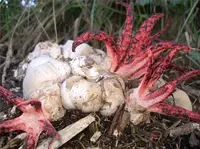
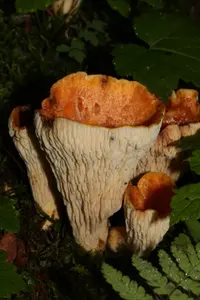
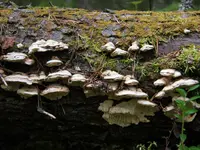
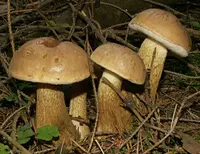
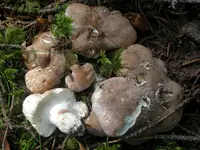
Fused polypore, Albatrellopsis confluens, is a wood-decaying fungus rather than a leafy plant. It forms thick, overlapping, cream to pale orange caps that often merge into irregular clusters. The undersides carry fine pores instead of gills.

This species typically grows on soil among conifer litter or on buried wood, mainly in boreal and montane forests of Europe, Asia, and North America. It is considered uncommon and can be sensitive to disturbance.

In cultivation, it is challenging to maintain because it depends on specific forest substrates and cool, stable conditions. For anyone trying to care for fused polypore at home, success is limited and usually requires advanced fungal growing setups.

Main Plant Requirements

Care Difficulty

Moderate Care

Light Preference

Partial Shade

Water Requirements

Moderate Water

Temperature Preference

Cool Climate

Hardiness Zone

Unknown

Soil Texture

Loamy, Silty, Organic-rich

Soil pH

Slightly acidic (6.5–7.0)

Soil Drainage

Moist but well-drained

Fertilization

Minimal (feed rarely)

Get Personalized Care Plan

Scan your plant to receive care tips personalized for your specific plant

Available on iOS and Android

How to Care for the fused polypore

This fungus prefers cool forest light rather than direct, open sun exposure.

  • Provide dappled or filtered light under trees, with 2–4 hours of gentle morning sun or bright shade the rest of the day.
  • Avoid harsh midday and afternoon sun, which can dry the substrate and cause caps of fused polypore to crack or discolor.
  • In summer, prioritize shade and consistent moisture; in spring and fall, slightly brighter conditions along forest edges can still be suitable.

Moist, well-drained forest soil supports stable fruiting of Albatrellopsis confluens.

  • Aim for evenly moist but never waterlogged soil; the surface should feel slightly damp, not soggy or powder-dry when touched.
  • Increase moisture during active fruiting, ensuring the top 2–3 cm of soil or duff do not fully dry; reduce added water in cool, dormant periods.
  • Watch for soft, collapsing fruiting bodies as a sign of excess water and poor drainage, or brittle, cracked caps as an indicator of prolonged dryness.

This species favors cool to mild conditions typical of temperate forests.

  • Optimal growth occurs around 50–68°F (10–20°C), with the best fruiting often in the cooler end of this range.
  • Short exposures down to about 32°F (0°C) are tolerated, but repeated hard frosts and frozen soil reduce fruiting and can damage tissue.
  • Sustained heat above 77–82°F (25–28°C), especially with dry air and soil, leads to faster aging, deformation, and reduced production.

Albatrellopsis confluens is a wood-decaying fungus that does not require managed air humidity in normal outdoor conditions.

This fungus grows on soil or litter over buried wood and benefits from a loose, aerated, and consistently moist but not waterlogged substrate.

  • Use a mix of leaf litter, well-rotted wood chips, and a small amount of compost to mimic forest-floor conditions.
  • Ensure the substrate drains freely yet retains moisture by combining coarse wood chips with a modest fraction of humus-rich material.
  • Keep pH slightly acidic to neutral (pH 5.5–7.0), avoiding heavily limed or strongly alkaline substrates that can suppress mycelial growth.
  • Avoid compacted, heavy clay or standing water, which reduce oxygen around the mycelium and increase risk of rot.

This species is not well suited to typical container growing and is usually cultivated, if at all, in controlled outdoor beds that simulate a forest floor.

Albatrellopsis confluens is a wood-decaying fungus that obtains nutrients from its substrate and generally does not require supplemental fertilizer in cultivation.

Pruning is not a standard practice for Albatrellopsis confluens, as fruiting bodies are seasonal and naturally degrade after spore release.

When grown for observation on logs or in controlled culture, this species is managed by renewing its substrate rather than classic repotting.

  • Replace exhausted or heavily decomposed wood or substrate when fruiting declines or growth slows noticeably.
  • Carry out any transfer in cool, stable conditions to reduce stress on the mycelium, the main fungal body.
  • Move colonized material gently onto fresh, similar substrate, keeping tissue intact and avoiding drying during transfer.
  • Limit disturbance to every few years, only when productivity drops or contamination appears.

Propagation of Albatrellopsis confluens is specialized and usually carried out by experienced growers using sterile methods.

In natural settings the fused polypore is cold hardy and typically needs no special winter care.

Care Tips

Substrate pre-conditioning

Pre-soak and drain hardwood-based substrate, then autoclave or pressure-cook it to reduce competing fungi and bacteria before inoculation, which greatly improves colonization success when growing fused polypore.

Cool-down fruiting trigger

After full colonization, lower the temperature by 5–10°F for several days and slightly increase fresh air exchange to signal the mycelium that it is time to form fruiting bodies.

Oxygen-rich airflow

Use a small fan set to indirect, gentle airflow and open vents or lids briefly 2–4 times daily to provide enough oxygen for dense, well-formed brackets without over-drying the substrate.

Targeted moisture management

Mist the air and chamber walls rather than directly soaking the developing caps, and keep a hygrometer in the fruiting space to maintain stable high humidity with minimal surface pooling on the substrate.

Rotation and observation

Rotate trays or blocks 90° every few days and inspect the undersides of clusters, removing any obviously contaminated or waterlogged tissue early to prevent localized problems from spreading through the culture.

Common Pests and Diseases

Parasitic fungi

This disease affects fused polypore fruiting bodies growing in the wild, causing deformed, discolored, or partially consumed caps. Symptoms include patches of unusual moldy growth, sunken areas, or crumbly tissue on the surface of the fungus.

Solution

Remove and discard any clearly parasitized fruiting bodies to reduce spread to nearby specimens, and avoid collecting from heavily affected patches. Do not attempt chemical treatment; instead focus on harvesting only firm, clean, evenly colored fruiting bodies from well‑ventilated, uncrowded forest sites.

Insect larvae feeding

These insects often tunnel through the interior of the fruiting body, leaving winding galleries, frass (powdery waste), and soft spots. Symptoms include small entrance holes, spongy flesh, and rapid collapse of affected areas.

Solution

Trim away any tunneled or softened tissue and discard it away from collection or cultivation areas. When growing fused polypore under controlled conditions, use fine mesh around developing fruiting bodies and keep the area clean of decaying wood or debris that can harbor adult insects.

Slugs and snails

This pest can chew irregular holes and gouges into the caps, often appearing overnight in damp, shaded conditions. Symptoms include fresh bite marks, slime trails, and rapid cosmetic damage to otherwise healthy fruiting bodies.

Solution

Hand‑remove slugs and snails during evening or early morning checks and relocate them away from the cultivation or collection site. Physical barriers such as copper tape, coarse grit, or raised staging, combined with reduced ground clutter and leaf litter, help limit future damage without chemical baits.

Interesting Facts

Pale fused caps

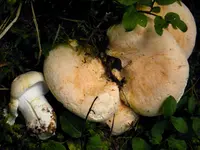
This fungus forms clusters of pale, creamy to yellowish caps that grow tightly fused together, often creating irregular, brain-like masses instead of separate mushrooms.

Mycorrhizal with conifers

It is an ectomycorrhizal species that partners with conifer roots, exchanging mineral nutrients from the soil for sugars produced by the trees.

Preference for acidic soils

Fruiting bodies are most often found in dry, nutrient-poor, acidic forest soils, such as in pine or spruce stands on sandy or podzolic substrates.
Botan icon

Did you know?

Albatrellopsis confluens was historically placed in the genus Albatrellus, and its reclassification into Albatrellopsis reflects detailed microscopic and molecular studies of its pore structure and spore characteristics.

FAQs about fused polypore

This fungus is considered inedible. The flesh is tough, corky, and not suitable for culinary use, even when young. It should not be collected for food and is best left on site for ecological value.

Grow Healthy Plants with Botan Care

Keep your plants happy and healthy with plant identification, disease detection, and easy care guidance.

Botan plant care app — identify plants on mobile

Explore More Plants