blue knight Care (Albatrellopsis flettii)

blue knight

About blue knight

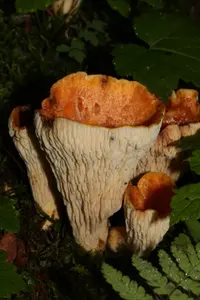
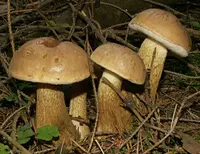
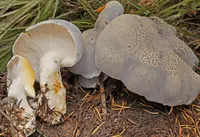
Albatrellopsis flettii, commonly called blue knight, is a terrestrial polypore fungus rather than a leafy plant. It typically forms thick, bluish to gray caps with a firm, fleshy texture, often appearing in clusters on the ground.

This species is native to higher-elevation conifer forests in western North America, where it grows in association with tree roots. It is uncommon in cultivation and mainly of interest to advanced hobbyists and mycology enthusiasts.

Because it is a mycorrhizal fungus, it depends on specific tree partners and cool, moist conditions, which makes it challenging to maintain outside its natural habitat. For most home growers, practical guidance on how to care for blue knight is limited to observing it in nature rather than cultivating it indoors or in gardens.

Main Plant Requirements

Care Difficulty

Moderate Care

Light Preference

Partial Shade

Water Requirements

Moderate Water

Temperature Preference

Cool Climate

Hardiness Zone

Unknown

Soil Texture

Loamy, Sandy, Rocky

Soil pH

Slightly acidic (6.5–7.0)

Soil Drainage

Well-drained

Fertilization

Minimal (feed rarely)

Get Personalized Care Plan

Scan your plant to receive care tips personalized for your specific plant

Available on iOS and Android

How to Care for the blue knight

This fungus prefers cool, bright forest conditions rather than intense, open sun.

  • Provide dappled or filtered light under conifers or mixed woodland, mimicking 2–4 hours of gentle morning sun with shade the rest of the day for stable fruiting.
  • Blue knight forms best where summer canopy blocks direct midday and afternoon sun, reducing substrate drying and preventing bleaching or cracking of caps.
  • In late summer, too much direct sun dries the forest floor; thicker leaf litter or deeper shade usually increases moisture retention and improves sunlight balance.

Moist, well‑drained forest soil is essential for reliable Albatrellopsis flettii fruiting.

  • Aim for consistently damp but not saturated ground; the upper 2–3 cm of soil or duff should feel moist to the touch but never muddy or anaerobic smelling.
  • Good drainage through loose, organic‑rich, slightly sloping soil reduces standing water, which often leads to rotting mycelium and reduced mushroom production.
  • During dry spells, prolonged cracking of the soil surface and hard, brittle caps indicate underwatering, while soft, waterlogged caps and sour odors signal excess moisture.

This species develops best in cool to mild conditions typical of montane and subalpine forests.

  • Optimal fruiting usually occurs around 50–65°F (10–18°C), with mycelium growth acceptable from roughly 40–70°F (4–21°C) in stable, moist soil.
  • Short dips to 32°F (0°C) may be tolerated in dormant periods, but repeated hard frost below 28°F (−2°C) can damage developing fruiting bodies.
  • Sustained heat above 75°F (24°C), especially combined with dry air and sun, often stops fruiting; deeper shade, thicker mulch, and shelter from hot winds help buffer temperature swings.

Humidity plays a minor role for Albatrellopsis flettii, which tolerates typical outdoor air levels.

Albatrellopsis flettii needs loose, well-drained, organic-rich ground to fruit reliably.

  • Use a loamy, porous substrate with plenty of leaf litter or compost to mimic its natural forest floor habitat.
  • Ensure the soil drains freely yet retains some moisture, avoiding sites where water stands longer than 12–24 hours.
  • Aim for slightly acidic to neutral conditions around pH 5.5–7.0, avoiding strongly alkaline or limy ground.
  • Improve aeration and structure by mixing in coarse sand or fine bark chips, avoiding heavy clay or compacted soil.

This species is not well suited to long-term container growing, as it relies on complex soil and fungal relationships that are difficult to maintain in pots.

Albatrellopsis flettii is usually self-sufficient in natural soils and needs little added nutrition when grown near suitable host trees.

Albatrellopsis flettii is not managed as a pruned ornamental, so no routine structural or shaping cuts are required.

This species is a wild, mycorrhizal fungus, so cultivation focuses on gentle transplanting of colonized substrates rather than true repotting.

  • Transplant only if a colonized plug or spawn block is clearly outgrowing its container or substrate, showing dense surface mycelium.
  • Aim for cool, moist conditions in early autumn, matching the typical fruiting season and reducing thermal and moisture stress.
  • Move the entire colonized mass intact into fresh, compatible woody or organic material without breaking it apart.
  • Keep the new site evenly moist, shaded, and undisturbed for several weeks to support reestablishment of fine fungal threads.

Propagation of Albatrellopsis flettii is specialized and usually limited to experienced growers or research settings.

In its natural range this fungus is cold hardy and usually needs no targeted winter care from gardeners.

Care Tips

Substrate rotation

If cultivating on logs or blocks, rotate and slightly shift the substrates every 2–3 weeks to even out airflow and moisture exposure, which helps prevent localized rot and encourages more uniform fruiting.

Fruiting flush management

After each harvest, carefully trim remaining stem bases and remove any decomposing tissue, then allow the substrate to rest with slightly reduced moisture for 5–7 days to reset it for a cleaner, stronger next flush.

Targeted airflow control

Use a small fan set on low, directed to pass near but not directly on the developing sporocarps, to reduce condensation on caps and lower the risk of bacterial blotch while still maintaining adequate humidity around the culture.

Clean harvest technique

Harvest clusters by cutting at the base with a disinfected, sharp knife instead of twisting, which minimizes substrate disturbance and reduces entry points for contaminants and competing fungi.

Sanitation scheduling

Set a fixed weekly schedule to disinfect tools, trays, and nearby surfaces and to promptly discard any contaminated blocks, which is one of the most effective long-term practices for growing blue knight with consistent yields.

Common Pests and Diseases

Mycophagous springtails

These insects feed on the fruiting bodies and mycelium, leaving pitted, roughened areas on caps and stems and sometimes tunneling into young tissue. This pest is more frequent in moist, organic-rich forest or cultivation substrates.

Solution

Limit excess surface moisture by improving drainage and avoiding constantly saturated substrates, and remove heavily damaged mushrooms to reduce habitat. In small-scale cultivation, use fine mesh barriers around fruiting areas and apply sticky traps nearby to monitor and locally reduce populations instead of using broad-spectrum insecticides.

Fungus gnat larvae

This pest develops in damp, organic substrate and can chew on young mycelium and buttons, causing aborted or misshapen fruiting bodies and general decline in vigor. Symptoms include small black adult gnats flying near the substrate surface when disturbed.

Solution

Allow the upper substrate layer to dry slightly between heavy soakings, maintain good air movement near the fruiting zone, and remove decaying plant debris that supports larvae. For controlled setups, use yellow sticky traps to catch adults and consider a biological control such as Bacillus thuringiensis israelensis applied to the substrate according to label directions.

Mucor mold contamination

This disease appears as fast-growing, fluffy gray or white mold patches that can quickly overrun Albatrellopsis flettii mycelium on nutrient-rich substrates. Symptoms include stalled or patchy mushroom formation in areas colonized by the mold.

Solution

Physically remove and discard heavily contaminated substrate or fruiting blocks and reduce overall humidity peaks that favor very rapid mold growth. In any managed environment, sterilize or thoroughly pasteurize substrate materials before use and disinfect tools and containers to prevent spores from establishing.

Green Trichoderma mold

This disease starts as white mycelial patches that soon turn bright to dull green as spores form, often outcompeting the desired mycelium and blocking normal fruiting. Symptoms include sharply bordered green colonies on substrate or at the base of fruiting bodies and localized dieback of the host mycelium.

Solution

Isolate and discard affected substrate sections as soon as green patches appear to prevent spore spread. Improve air exchange, avoid over-wetting, and maintain clean handling practices; in small cultivation setups, reserve a dedicated, well-cleaned area for inoculation to lower the chance of Trichoderma entering the system.

Bacterial blotch

This disease causes greasy, water-soaked spots or irregular lesions on caps, sometimes with a yellow or brown discoloration and soft, slimy texture in advanced stages. Symptoms include a sour or unpleasant odor and rapid breakdown of affected tissue in persistently wet conditions.

Solution

Reduce overhead wetting and keep caps as dry as possible by watering the surrounding substrate rather than the fruiting bodies, and increase air movement to shorten surface drying time. Promptly harvest and remove any blotched mushrooms and clean surrounding surfaces with a mild disinfectant to reduce bacterial load in the growing area.

Interesting Facts

Rare Pacific Northwest fungus

This species is a rare ectomycorrhizal mushroom native to higher-elevation conifer forests of the Pacific Northwest, especially in Washington and British Columbia, where it forms symbiotic associations with trees such as mountain hemlock and subalpine fir.

Distinctive lilac coloring

Fresh fruiting bodies often show pale bluish to lilac tones, especially on the cap and pores, which can fade toward whitish or gray with age and handling, making it one of the more visually distinctive polypores in its habitat.

Firm polypore structure

Unlike many soft-fleshed gilled mushrooms, it forms stout, firm, fleshy caps with small pores underneath instead of gills, a structural trait typical of polypores that helps with gradual spore release in cool, moist mountain conditions.

FAQs about blue knight

Lack of fruiting bodies usually comes from unsuitable temperature, humidity, or substrate, rather than a simple nutrient issue. Stable cool conditions, consistent moisture without waterlogging, and appropriate host association are critical for Albatrellopsis flettii care in cultivation attempts.

Grow Healthy Plants with Botan Care

Keep your plants happy and healthy with plant identification, disease detection, and easy care guidance.

Botan plant care app — identify plants on mobile

Explore More Plants