Werewere-kokako Care (Entoloma hochstetteri)

Also known as: blue pinkgill, sky-blue mushroom
Werewere-kokako

About Werewere-kokako

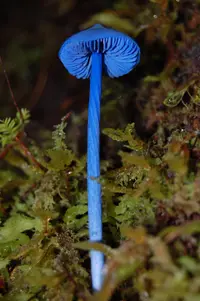
Werewere-kokako, Entoloma hochstetteri, is a small blue mushroom, not a true plant, known for its striking deep sky-blue cap and gills. It forms singly or in small groups on soil or mossy forest ground.

This species is native to New Zealand beech and podocarp forests, where it appears mainly in damp, undisturbed habitats. Its vivid color and specific woodland conditions make it more of an admired wild fungus than a typical garden subject.

Because it depends on complex relationships with forest soil and microorganisms, it is very difficult to cultivate. Most people who want to know how to care for Werewere-kokako focus instead on protecting its natural habitat rather than growing it at home.

Main Plant Requirements

Care Difficulty

Hard Care

Light Preference

Partial Shade

Water Requirements

Keep Soil Moist

Temperature Preference

Cool Climate

Hardiness Zone

Unknown

Soil Texture

Loamy, Silty, Organic-rich

Soil pH

Acidic (5.5–6.5)

Soil Drainage

Moist but well-drained

Fertilization

Minimal (feed rarely)

Get Personalized Care Plan

Scan your plant to receive care tips personalized for your specific plant

Available on iOS and Android

How to Care for the Werewere-kokako

This forest fungus prefers low, filtered light similar to a shaded, moist woodland floor.

  • Provide dappled or filtered light under shrubs or trees, avoiding direct midday sun, which can dry the substrate and damage developing caps.
  • Allow only brief early-morning or late-afternoon sun, 1–2 hours at most, with the rest of the day in bright shade or open forest gloom.
  • In summer, increase shade cover or leaf litter; in winter or cloudy seasons, slightly more open canopy helps maintain enough diffuse light for Werewere-kokako to fruit.

This species depends on consistently moist, well-drained soil rather than frequent heavy watering.

  • Aim for soil that stays evenly damp 5–10 cm deep, never saturated; surface can dry slightly between natural rains without harming Entoloma hochstetteri.
  • Use loose, humus-rich, well-draining soil or forest duff so excess water runs off instead of pooling around mycelium zones.
  • During dry, warm periods, supplement rainfall with gentle soaking when soil feels dry 3–5 cm down; stop added water if standing puddles or sour, swampy smells appear.

This fungus thrives in cool, mild conditions that resemble shaded, undisturbed forest habitats.

  • Optimal fruiting usually occurs around 50–68°F (10–20°C), with steady cool temperatures supporting stable mycelium activity.
  • It tolerates brief dips near 32°F (0°C) but is sensitive to hard frost below about 28°F (-2°C), which can damage fruiting bodies.
  • Prolonged heat above 77–82°F (25–28°C), especially with dry air, reduces fruiting; deeper shade, thick mulch, and moist soil help buffer summer temperature swings.

This species is a wild saprophytic fungus and humidity management is not a practical or relevant care factor in cultivation.

This fungus is not managed in conventional soil and is instead associated with natural forest substrates.

  • Cultivation attempts focus on recreating loose, leaf-litter‑rich forest floor material rather than standard potting mixes.
  • Use a deep layer of well‑drained decomposing wood, leaf litter, and fine organic debris to mimic its native habitat.
  • Avoid compacted, waterlogged, or heavily fertilized garden soil, which disrupts the fungal mycelium and host relationships.
  • Keep the substrate slightly moist but never saturated, allowing air pockets to remain around the decomposing material.

This species is not suitable for typical container growing and is best left in natural forest or outdoor habitat conditions.

This native blue mushroom is not a garden plant and does not benefit from conventional fertilizing like a typical ornamental or crop species.

Entoloma hochstetteri is a wild, non-woody fungus that does not require or respond to pruning in the way vascular plants or shrubs do.

This fungus is adapted to natural forest soils, so transplanting is rarely successful and container culture is not recommended.

  • Leave established colonies undisturbed; disturbing leaf litter and soil can disrupt the fungal network and reduce fruiting.
  • Avoid lifting or moving clumps to new locations, as the mycelium depends on complex soil conditions and microbial partners.
  • If habitat restoration is planned, focus on recreating suitable forest conditions rather than attempting to move existing mushrooms.

Propagation of this wild fungus is highly specialized and not practical for home growers, so caring for Werewere-kokako focuses on habitat conservation rather than active multiplication.

This species occurs in natural habitats and manages seasonal changes on its own, so it does not require active winter care from gardeners.

Care Tips

Leaf-litter microhabitat

Create a shallow tray with damp, pesticide-free leaf litter and rotting twigs over the inoculated soil to mimic the cool, shaded forest-floor microhabitat that this species prefers.

Use local companion trees

Establish or maintain nearby native tree or shrub roots from similar habitats, as this fungus often associates with specific local flora and performs better when its natural partners are present.

Gentle moisture shielding

Where rainfall is irregular, place a low, ventilated cover such as a raised shade cloth or perforated plastic above the bed to buffer sudden drying winds and heavy downpours without sealing in stagnant air.

Minimal surface disturbance

Mark the inoculated area and avoid raking, digging, or compacting the soil there, since breaking fine fungal threads in the upper 5–10 cm greatly reduces the chance of fruiting.

Long-term observation

Plan for multi-year monitoring instead of quick results, keeping simple notes on weather, moisture, and any fruiting events, since caring for Werewere-kokako relies on understanding subtle seasonal patterns over time.

Common Pests and Diseases

Mycophagous springtails

These insects feed on fungal tissue and can graze on developing fruiting bodies, leaving pitted, scarred, or partially eaten caps and gills. This pest is often seen in very moist, organic-rich habitats where the fungus grows.

Solution

Reduce excess surface moisture in cultivation trays or display substrates, improve drainage, and avoid constantly saturated conditions. For heavier pressure, gently disturb and dry the top layer between mistings, use fine mesh covers to limit insect access, and if necessary apply a targeted, fungus-safe biological control such as products based on Beauveria or similar entomopathogenic fungi, following local regulations.

Fungus gnat larvae

This pest lives in moist substrates and may feed on young mycelium, leading to weak, patchy, or aborted fruiting bodies. Symptoms include small adult gnats flying near the culture or habitat and thinning or stalled mycelial growth in artificially maintained setups.

Solution

Allow the top layer of the substrate to dry slightly between waterings, remove any decaying plant debris, and use yellow sticky traps to reduce adult numbers. In controlled cultivation or educational displays, introduce biological controls such as Bacillus thuringiensis israelensis (Bti) in waterings and keep ventilation adequate to discourage persistent moisture.

Mite grazing damage

These pests include several soil and litter mites that scrape at gills and cap surfaces, causing small pits, discolored spots, or deformed fruiting bodies. This pest issue is most noticeable in confined or repeatedly used culture containers where populations can build up.

Solution

Refresh or replace old substrate regularly and remove damaged fruiting bodies promptly to reduce food sources. In culture environments, maintain moderate but not excessive humidity, heat-treat or oven-pasteurize non-living substrates before use when appropriate, and use fine mesh or well-fitted lids to reduce mite introduction and spread.

Bacterial blotch

This disease causes greasy, water-soaked spots or streaks on caps that may turn darker and soften, especially under persistently wet conditions. Symptoms include slimy or sticky patches and rapid spoilage of affected tissues.

Solution

Limit overhead misting directly onto caps, instead humidifying the surrounding air, and ensure strong but gentle air circulation so surfaces dry between humidification cycles. Remove and discard affected fruiting bodies, reduce crowding if grown in trays, and avoid handling mushrooms with wet or contaminated tools to minimize bacterial spread.

Competing saprotrophic fungi

This problem arises when faster-growing fungi colonize the same substrate, overrunning or suppressing Entoloma hochstetteri mycelium and preventing normal fruiting. Symptoms include patches of different-colored mycelium, molds, or foreign fruiting bodies appearing in the intended growing area.

Solution

Use clean, well-prepared substrate and tools, avoid mixing in unsterilized garden soil or undecomposed plant waste, and discard heavily contaminated cultures. For anyone trying to grow Entoloma hochstetteri in controlled conditions, working with small, isolated batches, careful hygiene, and fresh substrate batches helps reduce competition and favors more stable establishment.

Interesting Facts

Unusual blue pigment

The vivid blue color of this mushroom is caused by complex organic pigments rather than the more common blue structural coloration seen in some animals, and the exact chemistry is still not fully described in the scientific literature.

New Zealand endemic

This species is native to New Zealand and is not naturally found elsewhere, occurring in native forest habitats on the ground among leaf litter and moss.

Featured on banknote

The fungus gained cultural visibility when it was depicted on the New Zealand 50-dollar banknote, making it one of the few fungi worldwide to appear on national currency.
Botan icon

Did you know?

This species is a mycorrhizal fungus, forming symbiotic associations with the roots of native trees, where it exchanges mineral nutrients for sugars produced by the plant, playing a subtle but important role in forest ecosystem function.

FAQs about Werewere-kokako

This mushroom is not considered edible. It is poorly studied toxicologically, strongly pigmented, and lacks any culinary tradition. It should be treated as inedible and left in place for observation or conservation rather than consumption.

Grow Healthy Plants with Botan Care

Keep your plants happy and healthy with plant identification, disease detection, and easy care guidance.

Botan plant care app — identify plants on mobile

Explore More Plants