
wild garlic Identification (Allium vineale)

Recognize wild garlic by its narrow, hollow, round leaves that rise in a basal clump, plus a leafless flowering stem usually 1-3 feet (30-90 cm) tall.

The flower head is enclosed in a papery sheath, then opens as a tight cluster often packed with small bulbils alongside a few greenish to pinkish flowers.

Allium vineale Identification

Check Your Plant ID

Use a clear photo to confirm what plant you have.

Clear images work best. Avoid photos taken too close or too far away

Check the plant’s narrow leaves, leafless flowering stem, and dense head of bulbils.

  • Leaves are hollow, round in cross section, and grass-like, often 8-20 inches (20-50 cm) long.
  • A single smooth, leafless stalk rises above the leaves, usually about 1-3 feet (30-90 cm) tall.
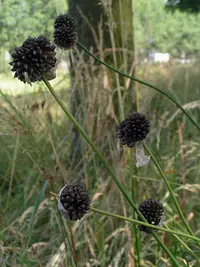
  • The top forms a tight, rounded cluster packed mostly with small purplish bulbils rather than open flowers.
  • Papery sheaths often surround the head, and any flowers present have 6 small pink to purple tepals on thin stalks.

For Allium vineale, the bulbil-heavy flower head is often the fastest visual clue.

Allium vineale shows clear visual shifts from early leaves to bulbil-bearing flowering stems.

  • Young plant: Early plants appear as a few narrow, hollow, grass-like leaves rising directly from the base, without an obvious upright flowering stem or head.
  • Mature plant: Nonflowering mature clumps show several wiry, tubular leaves and a firmer, upright habit, often reaching about 12-24 inches (30-60 cm) tall.
  • Flowering stage: A leafless round stalk lifts a compact head enclosed by a papery spathe; when opened, it shows small flowers mixed with many purple-tinged bulbils.

In fall through spring, Allium vineale is often identified by its narrow, hollow, grass-like leaves that stay visible during cool weather, unlike many warm-season grasses. In late spring to early summer, leafless flowering stalks rise above the foliage and carry a rounded cluster of small flowers and many bulblets. As summer heat increases, the plant often turns brown and fades back, leaving dry stalks or disappearing from view.

A few onion-like plants are regularly mistaken for wild garlic.

crow garlic(Allium canadense)

Both have narrow, hollow leaves and small pink to white flower clusters. Crow garlic usually has flatter flower stalk tops with more obvious flowers, while Allium vineale often shows many purple bulbils replacing much of the flower head.

field garlic(Allium oleraceum)

This species also carries bulbils in the flower head, so confusion is realistic. A quick check is the flower cluster: field garlic usually keeps more visible starry flowers mixed with bulbils, while A. vineale often has a denser bulbil-heavy head with fewer open flowers.

Allium vineale is native to Europe, western Asia, and North Africa. In its native range it is most often found in open, disturbed ground such as meadows, pastures, roadsides, field edges, and waste places. That setting helps with identification because it commonly appears in sunny grassland or weedy turf rather than woodland or wetland habitats. Finding it in grazed fields or rough lawns can help separate it from less weedy wild onions.

  • Pet toxicity: Allium vineale contains the same sulfur compounds found in onions and garlic. Ingestion of leaves, bulbs, or bulbils can be toxic to pets, especially dogs and cats, and may damage red blood cells.
  • Hazardous look-alike risk: Its onion-garlic odor matters. If a similar plant lacks that smell, do not assume it is Allium vineale. Death camas (Toxicoscordion species), a poisonous bulb plant harmful to humans and pets if eaten, does not have a true onion or garlic smell.

Confirm It from a Photo

Upload a clear image to Botan to identify the plant or double-check your result before you label or remove it.

FAQ

The clearest feature is the narrow, hollow, round leaves with a strong onion-garlic odor when crushed. In flower, the stem carries a compact head of pink to greenish flowers mixed with small bulbils, useful for wild garlic identification.

More Plant Identification Guides

Identify Your Plant and Learn More

Use Botan to identify it from a photo, then get plant details, care information, and common problems for that species.

Botan app identifying a plant from a photo
How to Bottom Water Plants: Complete Guide

6 min read · 13 Jul 2026

How to Bottom Water Plants: Complete Guide

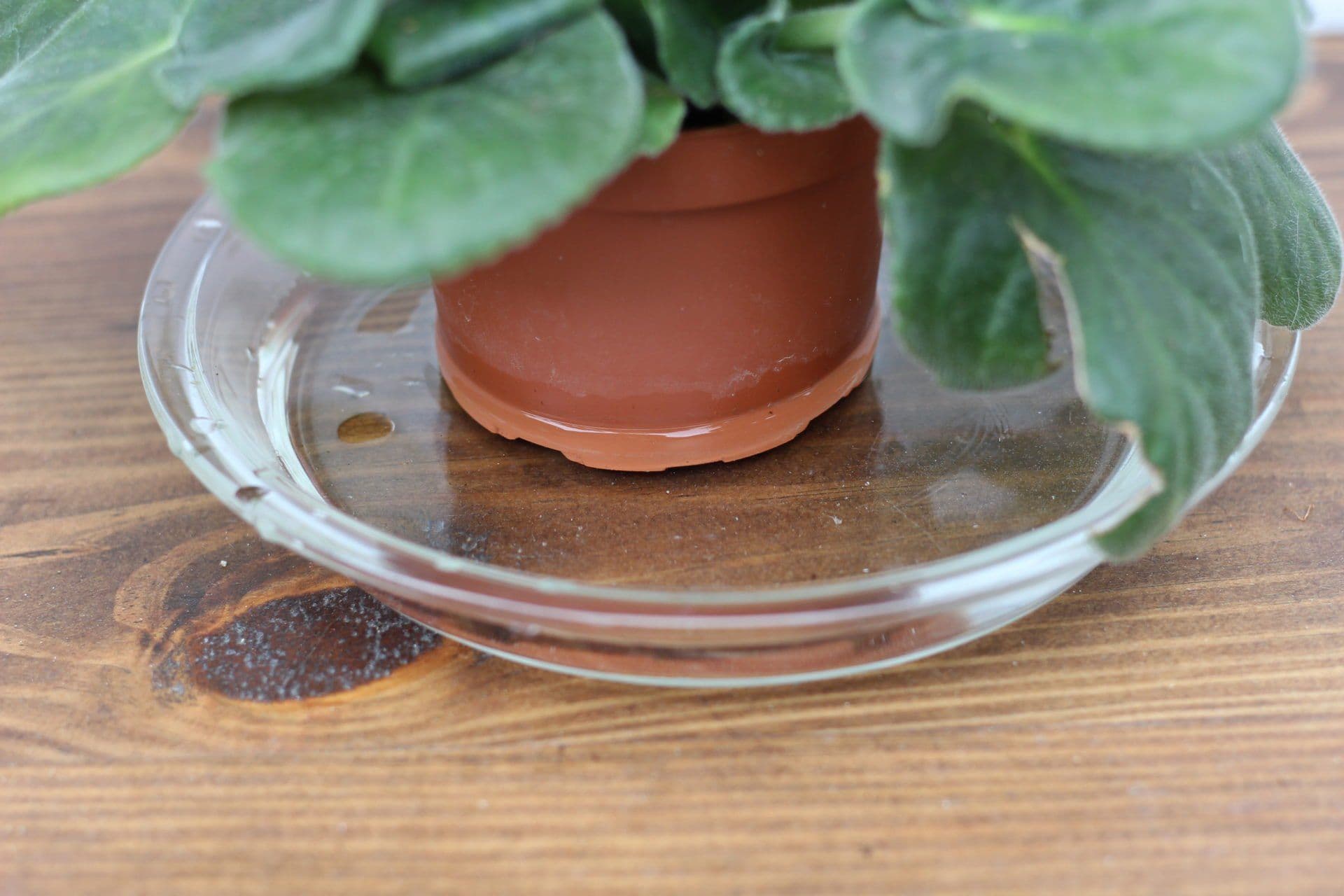
Bottom watering helps soil absorb moisture evenly and keeps foliage dry, reducing the risk of missed dry spots or root problems. Place the pot in a tray of water for a short time, then let it drain well.

Plant Care
How to Bottom Water Plants: Complete Guide
What Plants Don't Like Epsom Salt?

11 min read · 29 Jul 2026

What Plants Don't Like Epsom Salt?

Learn which plants can be seriously damaged by Epsom salt and which will thrive on it. We’ll explain when and how to use it properly, provide tips for indoor & outdoor plants — read on and enjoy a healthy garden.

Plant Care
What Plants Don't Like Epsom Salt?
How to Use a Moisture Meter for Plants

5 min read · 4 Sept 2026

How to Use a Moisture Meter for Plants

Watering by feel kills plenty of houseplants. A moisture meter checks the soil for you, and takes the guesswork out of it. This guide will show you how to use it correctly, from the first touch to the final reading.

Beginner Guides
How to Use a Moisture Meter for Plants