


7 min read · 24 Aug 2026
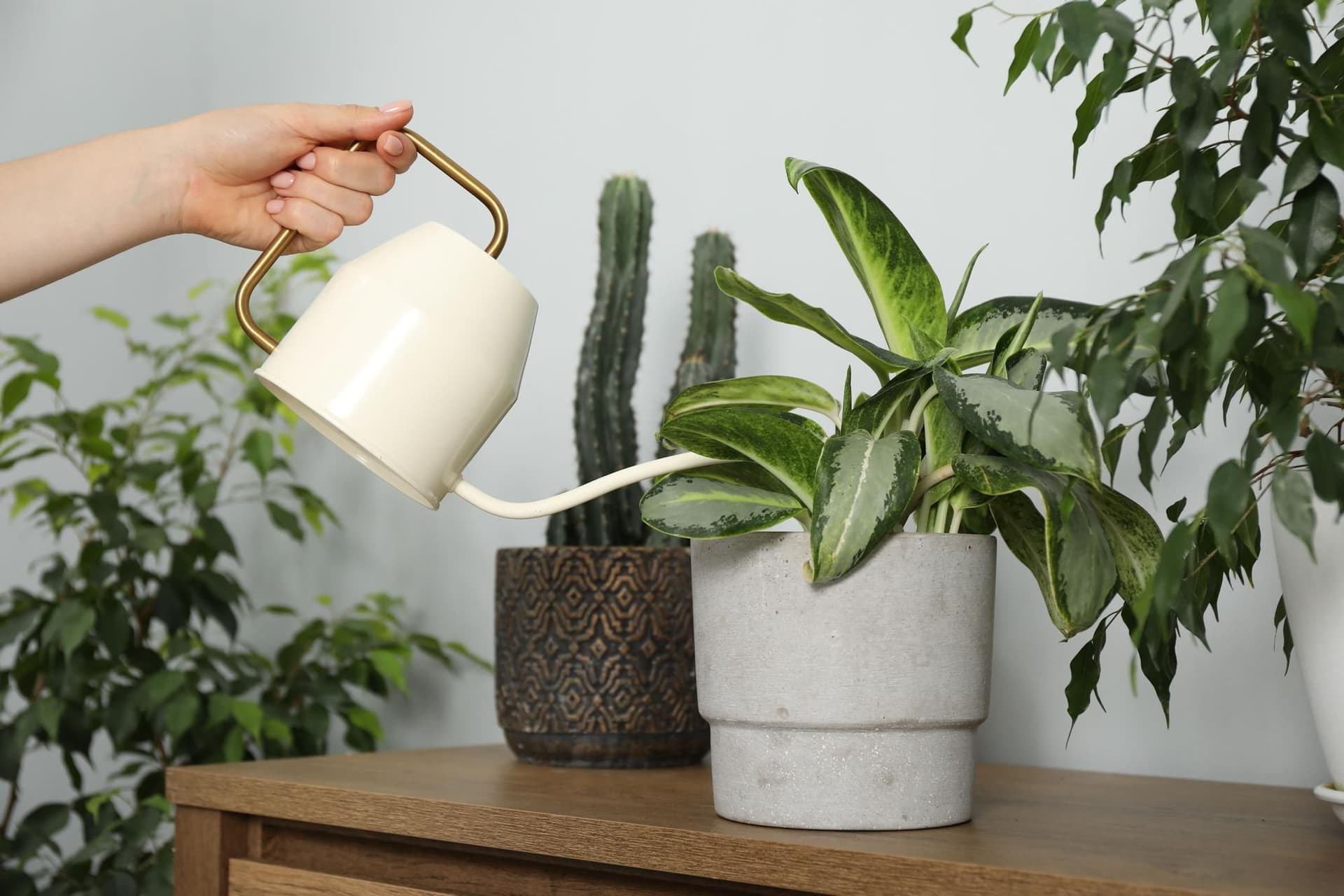
How to Water Houseplants: Watering Guide
Learn how often to water indoor plants, key factors for proper watering, and how to adjust the care routine by plant type, season, pot size, light, and indoor conditions.
Plant Care


To recognize Paterson's curse, look for a low basal rosette of oval to lance-shaped leaves and several upright, branching stems usually 1-3 feet (30-90 cm) tall. Leaves and stems are rough with stiff hairs.
The flowers are funnel-shaped with five unequal lobes and prominent stamens, carried in coiled clusters along the upper stems.
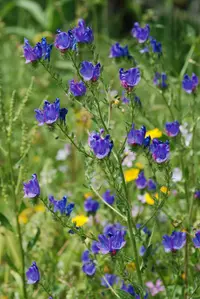
Use a clear photo to confirm what plant you have.
Clear images work best. Avoid photos taken too close or too far away
Use a few easy shape and flower checks to assess Echium plantagineum.
Check both the broad basal leaves and the rough, hairy stems for a solid visual match.
Echium plantagineum shows distinct rosette, stem-forming, flowering, and fruiting features useful for identification.
In the cooler season, Echium plantagineum is often visible as a low basal rosette of broad, slightly hairy leaves close to the ground. In spring into early summer, upright stems appear and carry showy purple to pink funnel-shaped flowers. As flowering ends, the plant dries down, leaving brown stems and seed-bearing structures.
A few borage-family weeds are close enough to confuse.
viper's bugloss(Echium vulgare)
Both have vivid blue-purple flower spikes. Paterson's curse has broad, oval basal leaves with obvious stalks; E. vulgare has much narrower, lance-shaped leaves and a more upright, less branched habit.
Italian bugloss(Anchusa azurea)
It can resemble it through rough leaves and blue funnel-shaped flowers. Anchusa azurea usually grows taller, often 3 to 5 feet (0.9 to 1.5 m), and its stem leaves clasp the stem rather than forming a broad basal rosette.
Echium plantagineum is native to the western Mediterranean, especially the Iberian Peninsula, and parts of North Africa. In its native range it is found in open, disturbed ground rather than shaded vegetation. Typical habitats include roadsides, field margins, pastures, grassland, and waste places, often on dry, sunny sites. That setting helps with identification because this species commonly appears as a conspicuous flowering weed in exposed lowland habitats, not as a woodland or wetland plant.

Confirm Your Plant Species
Use Botan to double-check your plant ID
Use Botan to identify or verify a plant from a photo, which helps reduce mix-ups before you label, buy, or remove it.
The most reliable clue is the rough, hairy leaves combined with funnel-shaped purple to blue flowers that have two stamens noticeably longer than the others. This combination is central to Echium plantagineum identification.
Identify a plant from a photo with Botan, then review its profile, care information, and common problems.

7 min read · 24 Aug 2026
Learn how often to water indoor plants, key factors for proper watering, and how to adjust the care routine by plant type, season, pot size, light, and indoor conditions.

7 min read · 13 Oct 2026
Cold-hardy vegetables can keep a garden productive through chilly fall, winter, and early spring weather. This guide covers 12 reliable crops, their frost tolerance, and practical growing tips for better cold-season harvests.
8 min read · 17 Sept 2026
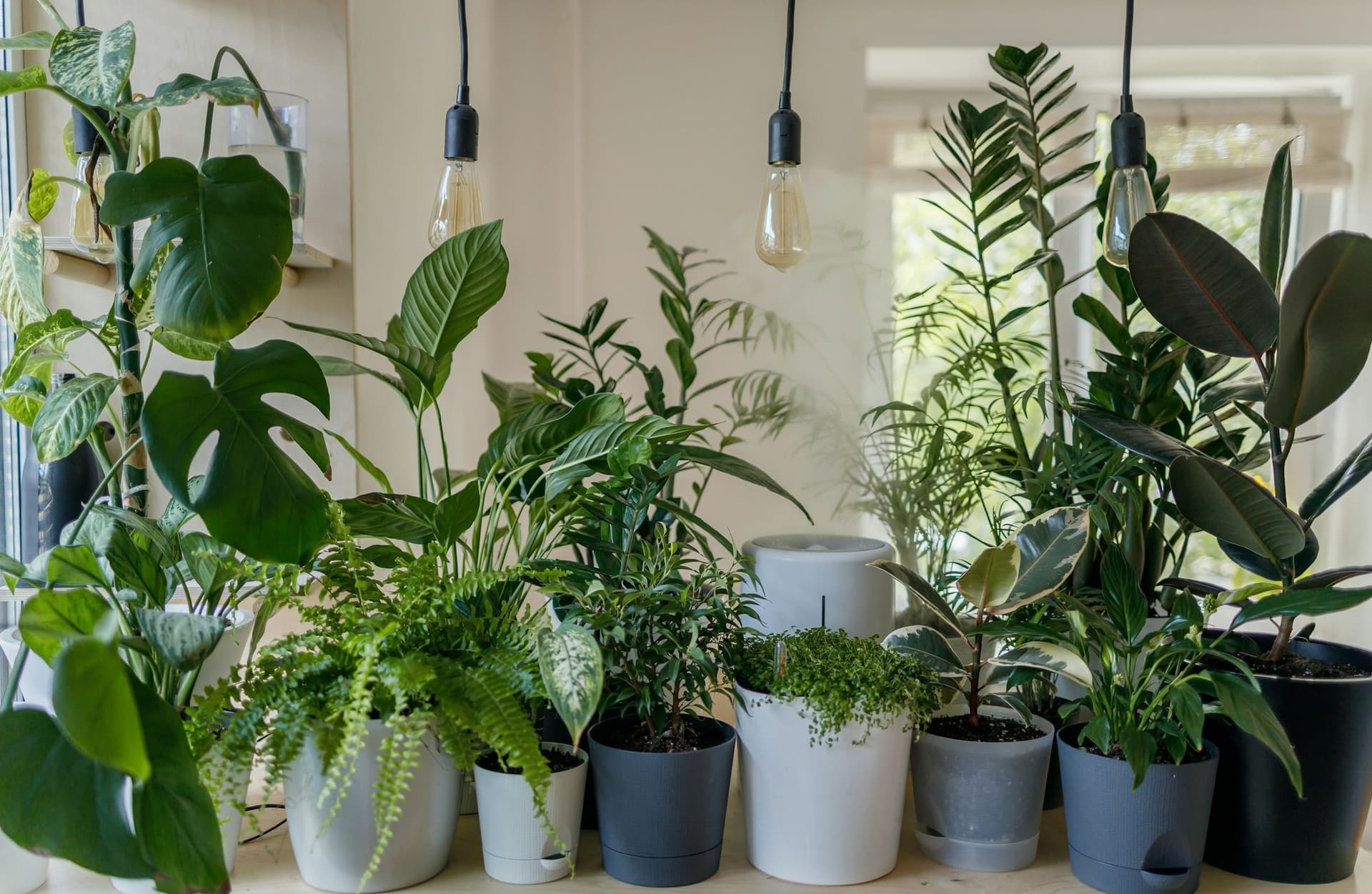
Some plants thrive in dim rooms, shaded corners, and places with indirect light. In this guide, you’ll explore the top 15 species best suited to low-light conditions and how to care for them.