

hairy bittercress Identification (Cardamine hirsuta)

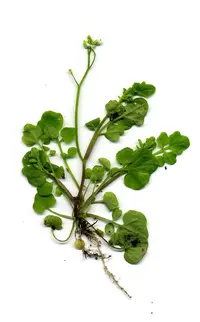
To recognize hairy bittercress, look for a small basal rosette of rounded leaflets, with larger end leaflets, and one or more slender, mostly leafless stems rising above it.

The stems carry tiny white four-petaled flowers and long, narrow seed pods held upright. Plants usually stay under 12 inches (30 cm) tall.

Cardamine hirsuta Identification

Scan to Confirm hairy bittercress

Upload a clear image to check whether your plant ID is correct.

Clear images work best. Avoid photos taken too close or too far away

Check for a small basal rosette and slender upright stems on Cardamine hirsuta.

  • Leaves sit mostly at the base, with 3-9 rounded leaflets and a larger end leaflet.
  • Flowering stems are usually 4-12 inches (10-30 cm) tall and branch lightly near the top.
  • Flowers are tiny, white, and four-petaled, often with petals shorter than the green sepals.
  • Seed pods are narrow, straight, and held upright above the leaves.

Use the rosette, tiny four-petaled flowers, and upright pods together for a quick check.

Cardamine hirsuta shows clear visual shifts from basal rosette to flowering and fruiting form.

  • Seedling: First growth appears as a tiny basal rosette with rounded leaflets on slender stalks, close to the soil and without an upright flowering stem.
  • Young plant: The rosette broadens, showing more clearly divided pinnate leaves with a larger terminal leaflet; stems are still absent or very short.
  • Flowering stage: An upright, branching stem rises above the rosette, reaching about 4-10 inches (10-25 cm), with small white four-petaled flowers at the tips.
  • Fruiting stage: After flowering, long, narrow seed pods replace the blooms along the upper stem, creating a noticeably more linear, bristling look than earlier stages.

Hairy bittercress is easiest to spot from late winter into spring, when its low rosette quickly sends up thin flowering stems above the leaves. Small white four-petaled flowers become obvious at this stage. Soon after flowering, long, narrow seed pods stand upright along the stems. After seed release, plants often fade and disappear, so the rosette-plus-pods look is the clearest seasonal clue.

Several small brassicaceous weeds can be mistaken for hairy bittercress at a glance.

Pennsylvania bittercress(Cardamine pensylvanica)

Similar white four-petaled flowers and slender seed pods cause confusion. It is usually smoother, with little to no leaf hair, and often grows taller on more upright stems.

Lesser swinecress(Lepidium didymum)

Both form low rosettes in disturbed soil. Lesser swinecress has deeply lobed, often pungent leaves and round, not long narrow, seed pods.

Whitlowgrass(Draba verna)

This tiny lawn weed also makes a basal rosette and small white flowers. Its petals are deeply notched, appearing paired, and the fruits are short, flat pods rather than long slender ones.

Cardamine hirsuta is native to Europe, western Asia, and North Africa, and it is now widely naturalized far beyond that range. Its original range is less useful for identification than its very typical habitat. This species commonly appears in disturbed ground, garden beds, sidewalk cracks, lawns, field edges, and open woodland margins. Finding it in compacted, recently disturbed, often urban or garden settings helps separate it from similar cardamines more often associated with wetter or less heavily disturbed places.

Not Sure About the ID?

Use Botan to identify or confirm the plant from a photo, which helps avoid mix-ups with similar species.

FAQ

Young plants are often recognized by a small basal rosette of rounded leaflets with a larger terminal leaflet. Early stages can be confused with other mustard-family weeds, so flowers or slender seed pods improve identifying hairy bittercress.

More Plant Identification Guides

Know Your Plant Better

Identify it from a photo with Botan, then get species-specific care information, safety notes, and common problems.

Botan app identifying a plant from a photo
How to Use a Moisture Meter for Plants

5 min read · 4 Sept 2026

How to Use a Moisture Meter for Plants

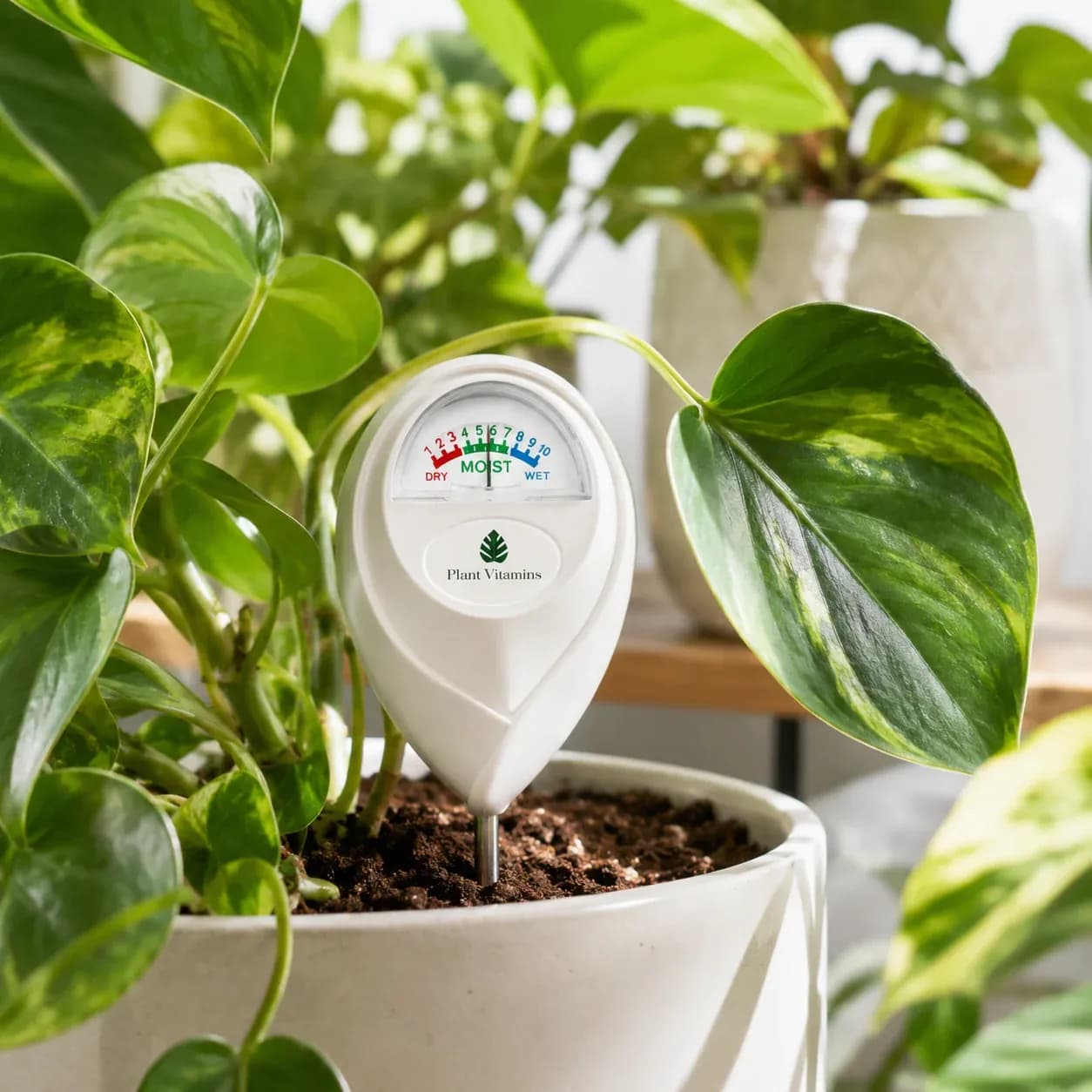
Watering by feel kills plenty of houseplants. A moisture meter checks the soil for you, and takes the guesswork out of it. This guide will show you how to use it correctly, from the first touch to the final reading.

Beginner Guides
How to Use a Moisture Meter for Plants
How to Winterize Your Garden in 6 Steps

5 min read · 28 Sept 2026

How to Winterize Your Garden in 6 Steps

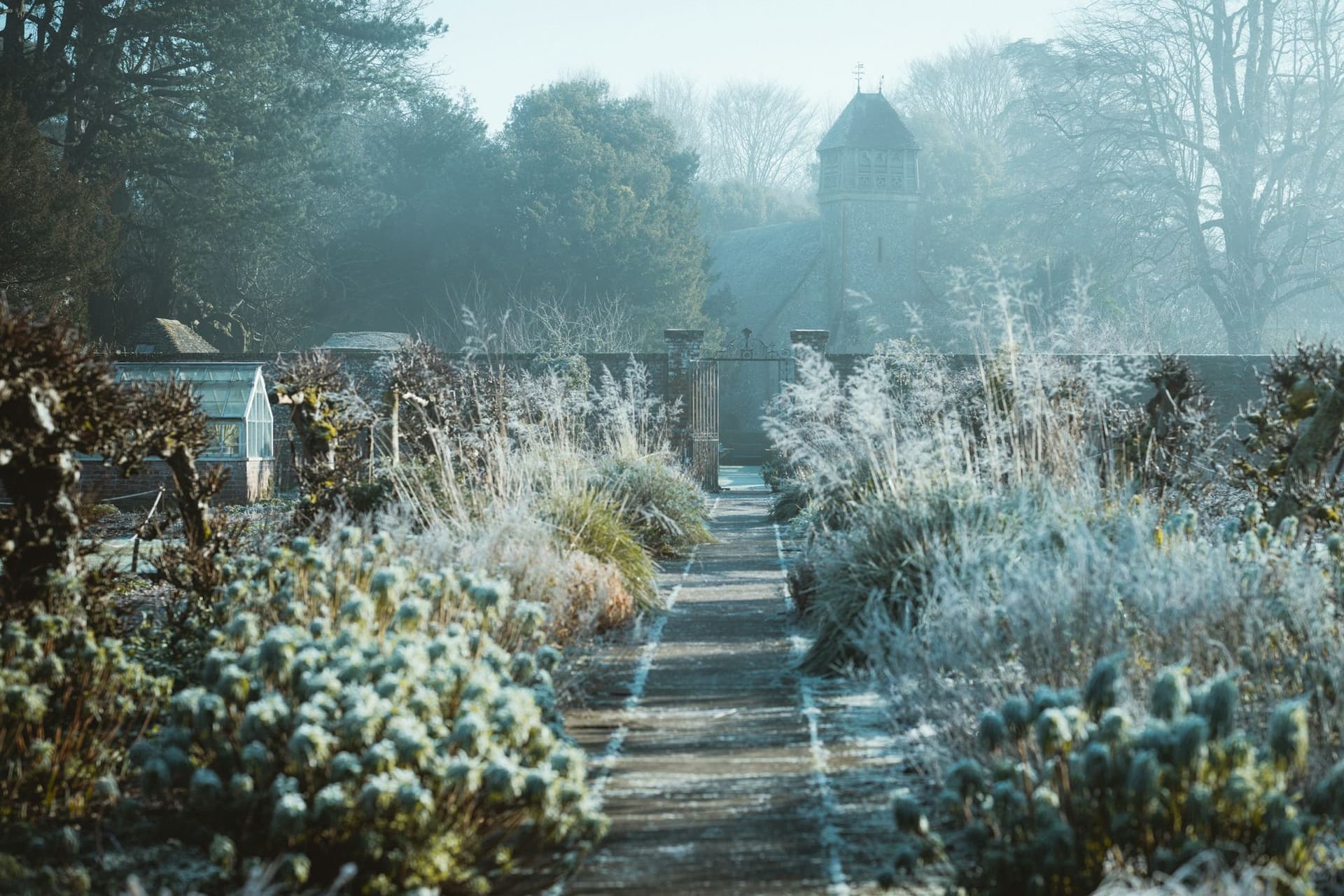
Learn how to prepare your garden for winter with a practical six-step checklist covering cleanup, tender plant care, watering, mulching, winter protection, and winterizing equipment and containers.

Plant Care
How to Winterize Your Garden in 6 Steps
10 Easy Garden Flowers to Grow

8 min read · 10 Sept 2026

10 Easy Garden Flowers to Grow

Discover 10 garden flowers that require minimal care. Learn which characteristics make plants easy to grow and follow tips on how to create a beautiful corner from beginner-friendly blooms on your property.

Beginner Guides
10 Easy Garden Flowers to Grow