
goldenrod Identification (Solidago virgaurea)

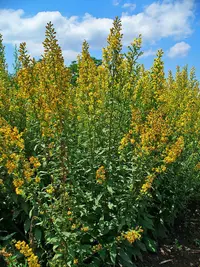
Recognize Solidago virgaurea by its single, upright stem with larger oval to egg-shaped lower leaves on stalks and smaller upper leaves that clasp the stem.

Its flower heads are relatively large for a goldenrod and spaced in a short, narrow cluster rather than a broad, feathery plume.

Solidago virgaurea Identification

Is This goldenrod?

Use a clear photo to confirm what plant you have.

Clear images work best. Avoid photos taken too close or too far away

Check the flower arrangement and leaf shape first on Solidago virgaurea.

  • Upright stems usually carry flower heads in a narrow, wand-like cluster near the top, not in broad sprays.
  • Flower heads are yellow and daisy-like, each with a small central disk and a few ray florets around it.
  • Lower leaves are broader and oval to lance-shaped, often with a clear stalk, about 2-8 inches (5-20 cm) long.
  • Upper leaves become smaller, narrower, and nearly stalkless as they rise along the stem.

A leafy lower stem with a tighter yellow flower cluster is a useful visual combination.

Solidago virgaurea shows clear structural changes from basal rosette to branched flowering stems.

  • Juvenile plant: Early growth is a low basal rosette with broader, oval to spoon-shaped leaves on stalks, while upright stems are absent.
  • Mature plant: Later, one or more erect stems rise 12-24 inches (30-60 cm), carrying smaller, narrower stem leaves that alternate upward.
  • Flowering stage: At flowering, the upper stem branches into a loose cluster of yellow heads, unlike the simpler leafy outline before buds open.

In late summer to early fall, Solidago virgaurea is easiest to recognize when upright stems carry small golden-yellow flower heads in narrow clusters near the stem tips. After flowering, the heads dry into fluffy seed clusters. By winter, the top growth dies back, so the plant is usually reduced to a bare base or absent above ground.

Several yellow-flowered relatives can be mistaken for goldenrod at a glance.

Canadian goldenrod(Solidago canadensis)

Confusion happens because both have bright yellow flower heads. S. canadensis is usually much taller, often 3 to 6 feet (0.9 to 1.8 m), and carries many narrow stem leaves. Solidago virgaurea stays shorter and has broader basal leaves with fewer flower branches.

European goldenrod(Solidago gigantea)

It can look similar from a distance due to upright stems and yellow clusters. S. gigantea is typically taller and more plume-like, with many arching side branches. Solidago virgaurea has a denser, less feathery flower arrangement and broader lower leaves.

Solidago virgaurea is native across much of Europe and into temperate Asia. That range helps separate it from many North American goldenrods when a plant is found growing wild. It is most often associated with open woodland edges, mountain meadows, heath, and rocky slopes, often in upland or subalpine settings. Finding a goldenrod in those habitats can help narrow an identification toward this species.

Check Your Plant ID

Upload a photo to Botan to identify the plant or confirm your guess before you label it or compare similar species.

FAQ

This species is an upright perennial with alternate leaves and clusters of bright yellow flower heads near the upper stem. Unlike many goldenrods, its flower heads are larger and arranged in shorter, less feathery sprays.

More Plant Identification Guides

Identify Your Plant and Learn More

Use Botan to identify a plant from a photo, then get species-specific care information, safety notes, and common problems.

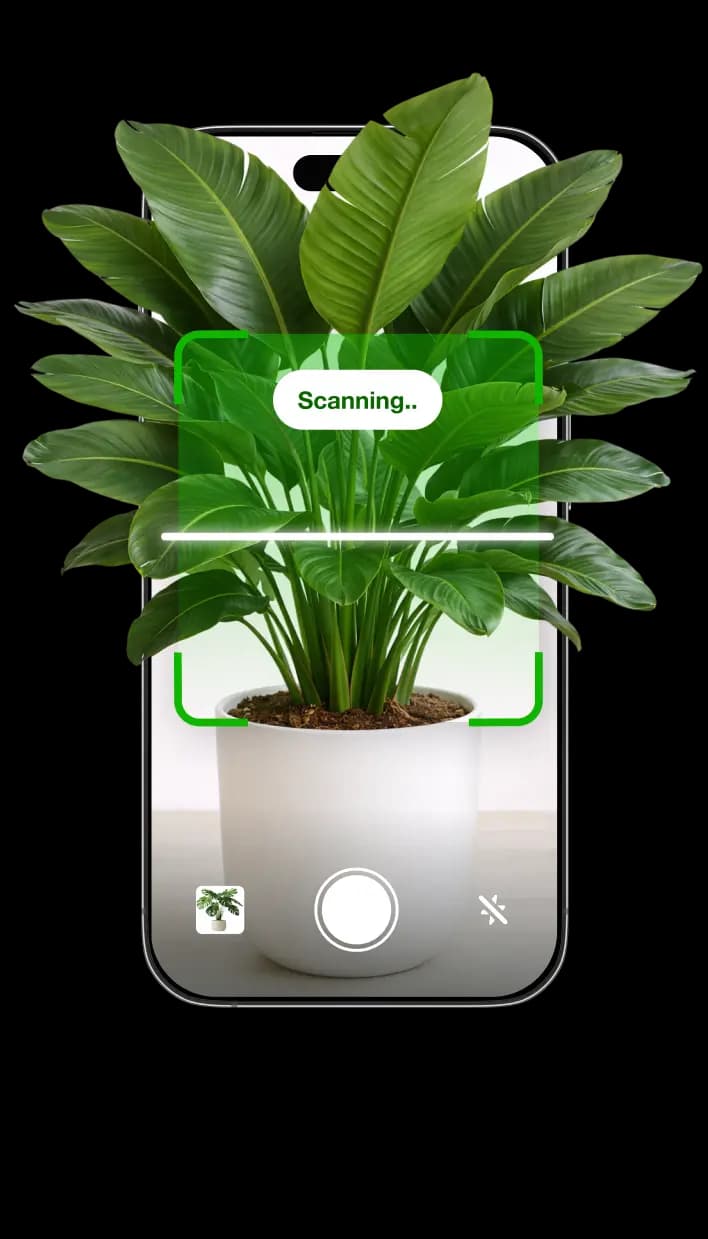
Botan app identifying a plant from a photo
20 Most Popular Fruits Around the World

7 min read · 22 Jul 2026

20 Most Popular Fruits Around the World

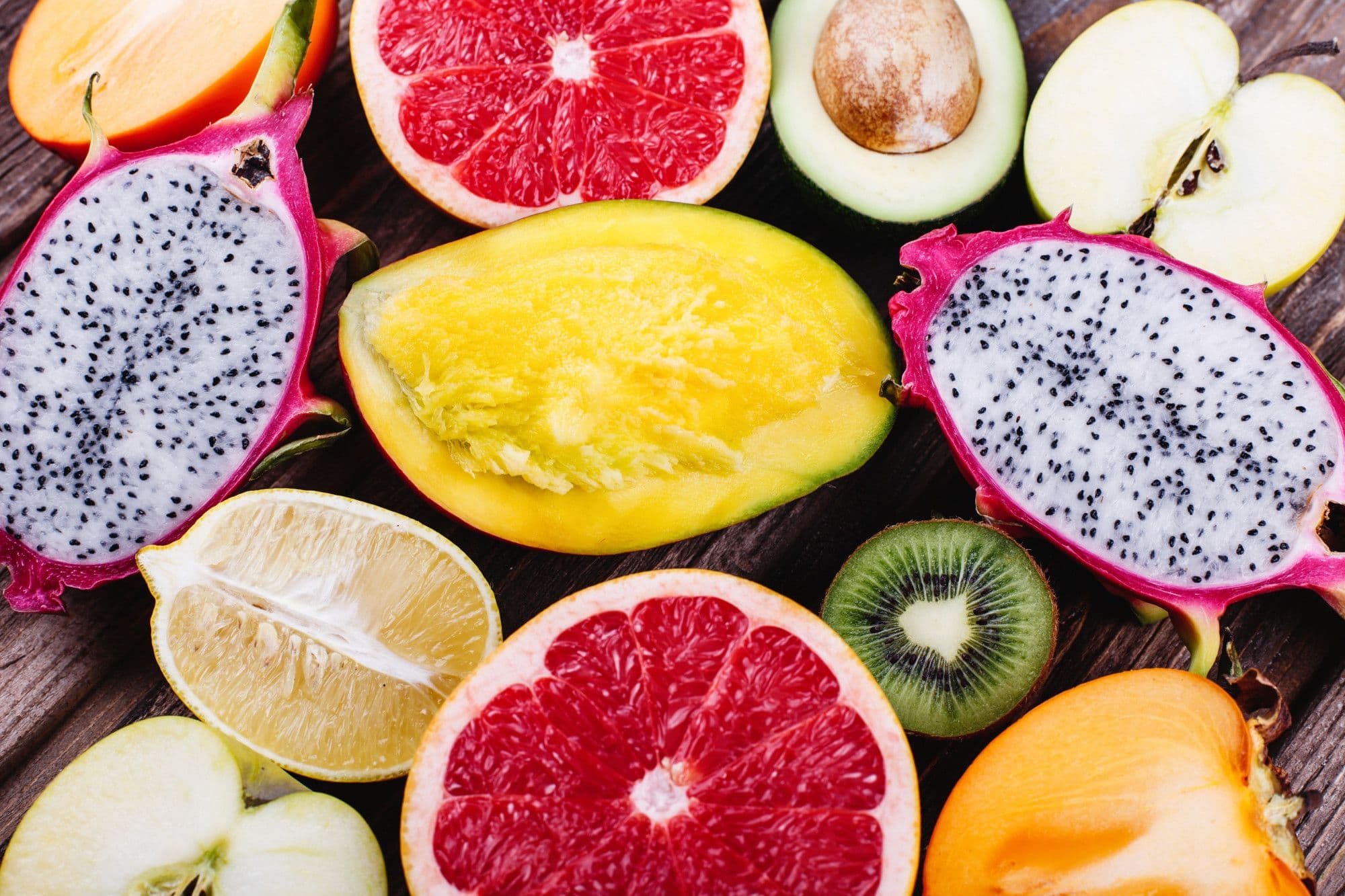
Curious which fruits the world actually eats the most? Here's the top-20 by production volume, an overview of what people choose in each region, and a few figures that defy common assumptions.

Plant Recommendations
20 Most Popular Fruits Around the World
Plant Pot Sizes: How to Choose the Right Plant Container

7 min read · 20 Aug 2026

Plant Pot Sizes: How to Choose the Right Plant Container

Plant pot sizes can be confusing because the number on the label only tells you part of the required information. A container may look spacious but actually be too shallow. So, how to choose pot size for plant species?

Beginner Guides
Plant Pot Sizes: How to Choose the Right Plant Container
12 Best Plants for Bathroom That Thrive in Humid Conditions

9 min read · 29 Sept 2026

12 Best Plants for Bathroom That Thrive in Humid Conditions

Discover the 12 best plants for bathroom spaces. Each pick comes with its own advantages, plus light, humidity, watering, and placement tips. Take a look and match the plant to your specific bathroom.

Plant Recommendations
12 Best Plants for Bathroom That Thrive in Humid Conditions