



6 min read · 19 Aug 2026
How to Tell if a Plant Is Dead
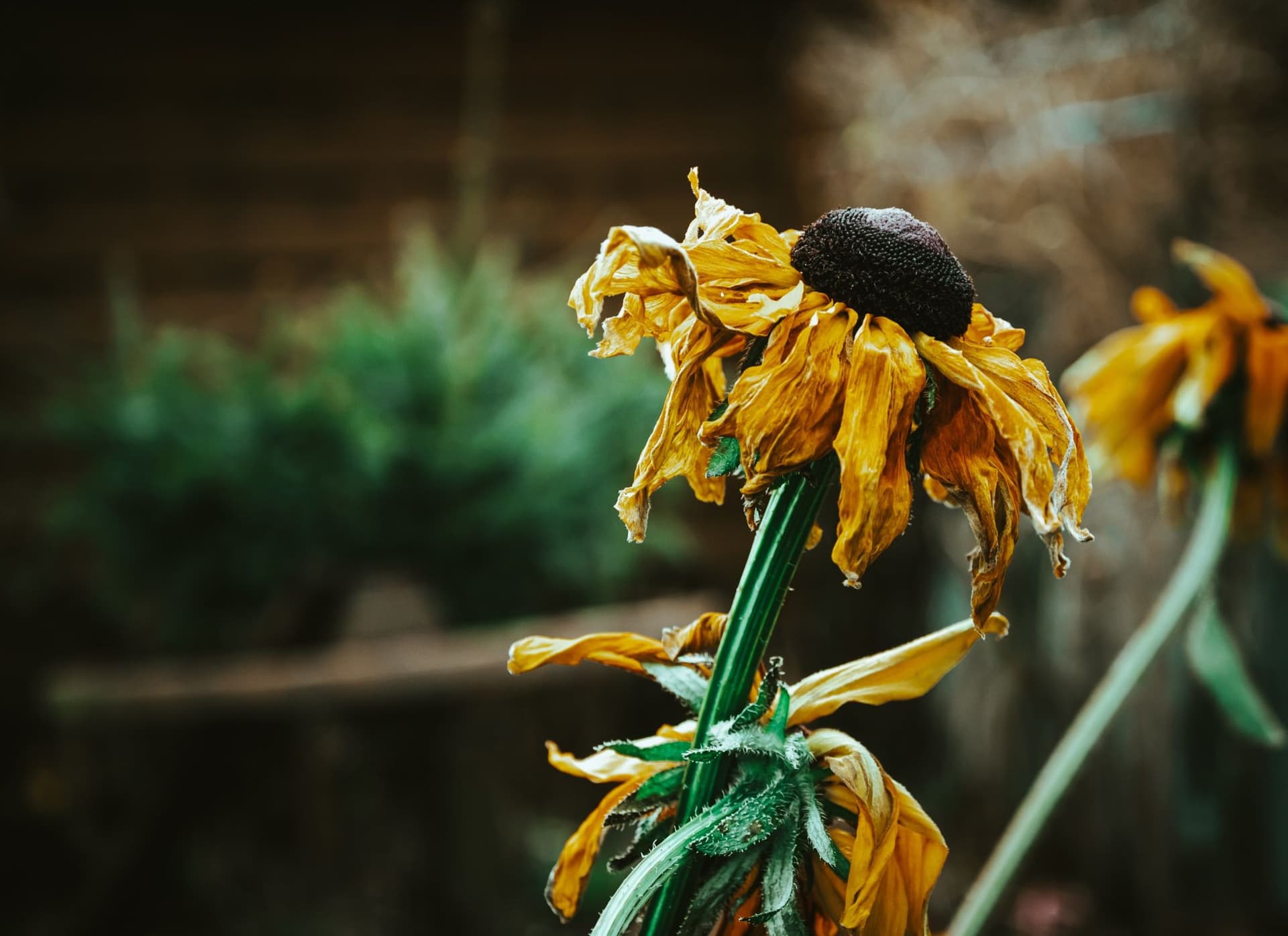
A plant can lose its leaves, stop growing, or collapse and still remain alive. A closer look at the stems, roots, bulbs, and tubers can show whether the plant still has a chance to recover.

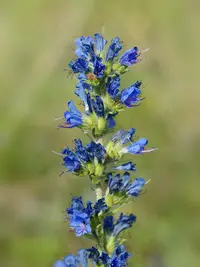
Recognize viper's bugloss by its upright, bristly stems, a basal rosette of narrow lance-shaped leaves, and dense one-sided spikes of funnel-shaped blue flowers with long red stamens projecting beyond the petals.
Plants usually grow as a single rough clump, often reaching 1 to 3 feet (30 to 90 cm) tall.

Upload a plant photo and check the identification in seconds.
Clear images work best. Avoid photos taken too close or too far away
Check the plant’s upright habit, rough foliage, and one-sided flower spikes.
The coarse hairs and one-sided blue flower spikes are especially useful for a quick check.
Echium vulgare shows distinct form changes from ground rosette to tall, flower-spiked adult.
In spring, viper's bugloss is often seen first as a low basal rosette of narrow, bristly leaves. As the flowering stem develops, the plant shifts from a ground-level rosette to a taller, rough-haired spike. From early summer into late summer, dense flower spikes become the clearest clue, with buds often pinkish before opening bright blue. After flowering, the plant looks drier and seed-bearing, with spent spikes remaining visible.
Several rough, blue-flowered biennials can be mistaken for viper's bugloss.
Italian bugloss(Anchusa azurea)
Often confused because both have bristly stems and dense blue flower spikes. Italian bugloss usually has larger, more open flowers and a more branched, broader habit. Echium vulgare has narrower spikes and strongly exserted stamens, the flower parts projecting beyond the petals.
common comfrey(Symphytum officinale)
Confusion happens at the rosette or early flowering stage because both are coarse and hairy. Comfrey has broad, oval to lance-shaped leaves that run down the stem and drooping, bell-shaped flowers in clusters. Echium vulgare shows narrower leaves and upright spikes of flatter, funnel-shaped flowers.
Echium vulgare is native to most of Europe and western Asia. It is also widely naturalized in North America, so geography alone is not enough to confirm it. Habitat is more helpful. It commonly appears in dry, open, disturbed places such as roadsides, field edges, pastures, waste ground, and chalk or other rocky grasslands. Finding it in sunny, rough ground helps narrow the ID.

Confirm Your Plant Species
Use Botan to double-check your plant ID
Use Botan to compare a photo and help identify or confirm the plant before you spend more time on the wrong species.
Flowers are packed along coiled, one-sided spikes that straighten as they open. Each bloom sits on a short stalk from a bristly stem, creating narrow, tapering clusters useful for identifying viper's bugloss.
Upload a photo to Botan for identification, then see plant details, care information, and common problems for that species.


6 min read · 19 Aug 2026
A plant can lose its leaves, stop growing, or collapse and still remain alive. A closer look at the stems, roots, bulbs, and tubers can show whether the plant still has a chance to recover.
.jpg&w=1920&q=75)
8 min read · 10 Sept 2026
Discover 10 garden flowers that require minimal care. Learn which characteristics make plants easy to grow and follow tips on how to create a beautiful corner from beginner-friendly blooms on your property.

7 min read · 13 Oct 2026
Cold-hardy vegetables can keep a garden productive through chilly fall, winter, and early spring weather. This guide covers 12 reliable crops, their frost tolerance, and practical growing tips for better cold-season harvests.