


milk thistle Identification (Silybum marianum)

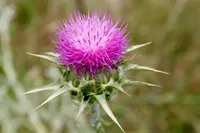
To recognize milk thistle, look for a stout upright thistle with large, deeply lobed leaves marked by bold white marbling and edged with sharp spines.

The flower heads are solitary and rounded, usually 2 to 3 inches (5 to 8 cm) across, with purple florets and broad, spine-tipped bracts beneath.

Silybum marianum Identification

Check Your Plant ID

Not sure about your plant ID? Upload a photo and check it with Botan.

Clear images work best. Avoid photos taken too close or too far away

Use these quick checks to assess milk thistle by sight.

  • Leaves form a basal rosette and also clasp the stem higher up.
  • Leaf blades are broad, glossy green, with irregular white marbling along the veins.
  • Leaf margins are deeply lobed, each lobe ending in a stiff yellow spine.
  • Flower heads are solitary and thistle-like, about 2 to 3 inches (5 to 8 cm) across, with purple florets.
  • The flower head is wrapped in overlapping bracts, each tipped with a sharp spine.

Check both the white-marbled leaves and the spiny purple flower heads together for a more confident ID.

Silybum marianum shows clear stage-by-stage changes in leaf form, height, and flowering structure.

  • Seedling: Begins as a low rosette with a few oval seed leaves, then quickly produces glossy true leaves marked by pale white veining and soft spines.
  • Young plant: Forms a broad basal rosette; leaves become deeply lobed, strongly marbled, and noticeably armed, often reaching 12 inches (30 cm) or more long.
  • Flowering stage: The rosette gives rise to stout, winged stems with clasping upper leaves and solitary purple flower heads held above the foliage, often on branched shoots.
  • Fruiting stage: After flowering, the heads turn dry and seed-filled, with tufted fruits replacing the showy florets while the spiny bracts remain around the head.

In late fall through spring, Silybum marianum is often seen as a low basal rosette with large green leaves marked by bold white marbling. In spring to early summer, tall flowering stems rise above the rosette, followed by large spiny purple flower heads. After bloom, fluffy white seed tufts become visible.

A few spiny thistles are regularly mistaken for milk thistle.

Scotch thistle(Onopordum acanthium)

Often confused because both form large, spiny rosettes and purple thistle heads. Scotch thistle leaves are gray-woolly rather than glossy green with white marbling, and the stems have broad, continuous spiny wings.

Italian thistle(Carduus pycnocephalus)

Confusion happens when plants are young and still in the rosette stage. Italian thistle lacks the bold white veining on the leaves, and its flower heads are much smaller and usually clustered rather than solitary.

Native to the Mediterranean region of southern Europe, North Africa, and western Asia, Silybum marianum is often found in disturbed, open places rather than closed natural vegetation. Typical habitats include roadsides, field edges, waste ground, coastal flats, and dry grassland. Seeing it in sunny, weedy ground in Mediterranean-type climates can support identification, especially where the plant appears as a robust wild thistle in repeatedly disturbed sites.

  • Sharp spines: Leaves and bracts end in stiff spines that can puncture skin during handling. This is a skin-contact injury risk for humans and pets.
  • Ingestion risk from thistle patches: Silybum marianum is not mainly noted for poisoning, but dense spiny growth can injure the mouth or digestive tract if chewed by pets or children. The concern is physical injury from leaves and flower-head bracts, not sap.

Confirm the Species with Botan

Upload a photo to compare key details and quickly check whether the name you have is the right one.

FAQ

Yes. Before flowering, this plant is identified by large, glossy leaves with bold white marbling and sharp spines along the edges. The leaves form a basal rosette, then clasp the stem when upright growth begins.

More Plant Identification Guides

One Photo. More About Your Plant.

Use Botan to identify a plant from a photo, then get plant details, care information, and common problems for that species.

Botan app identifying a plant from a photo
Plant Pot Sizes: How to Choose the Right Plant Container

7 min read · 20 Aug 2026

Plant Pot Sizes: How to Choose the Right Plant Container

Plant pot sizes can be confusing because the number on the label only tells you part of the required information. A container may look spacious but actually be too shallow. So, how to choose pot size for plant species?

Beginner Guides
Plant Pot Sizes: How to Choose the Right Plant Container
How to Bottom Water Plants: Complete Guide

6 min read · 13 Jul 2026

How to Bottom Water Plants: Complete Guide

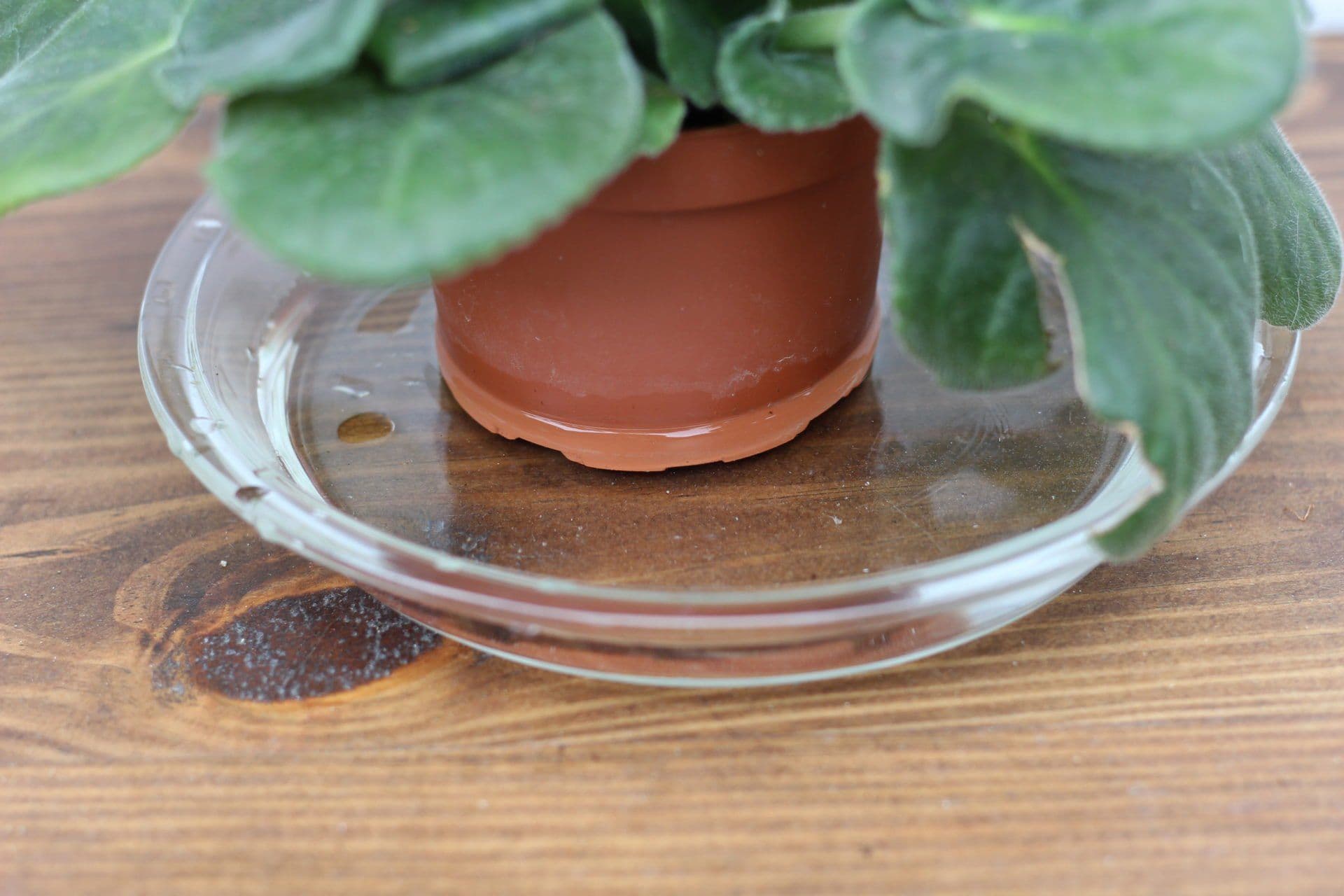
Bottom watering helps soil absorb moisture evenly and keeps foliage dry, reducing the risk of missed dry spots or root problems. Place the pot in a tray of water for a short time, then let it drain well.

Plant Care
How to Bottom Water Plants: Complete Guide
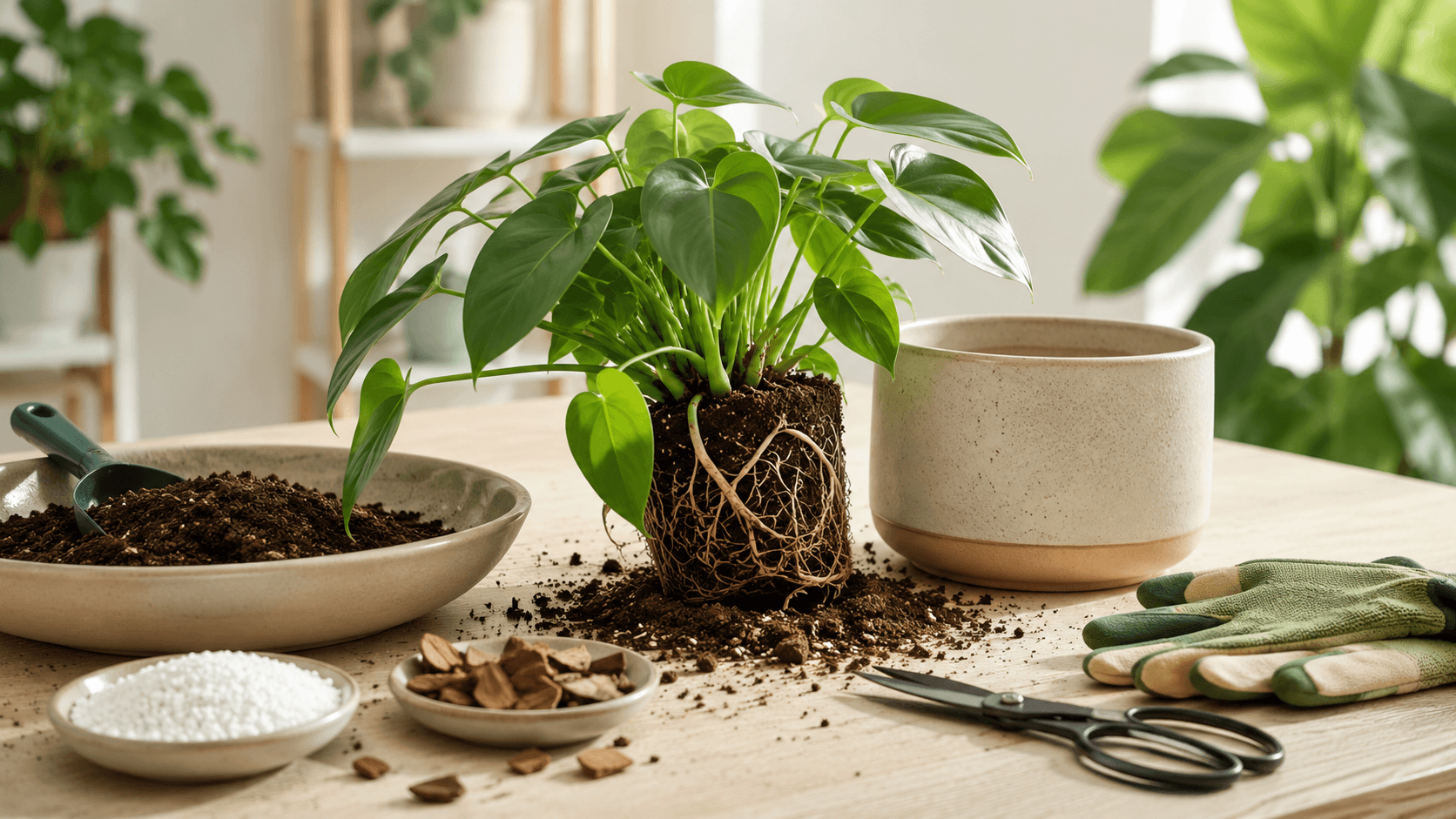
How to Repot a Plant: A Step-by-Step Guide

7 min read · 28 May 2026

How to Repot a Plant: A Step-by-Step Guide

In spring, many plants need repotting—an essential part of care. To avoid stress, consider the plant’s type and size. This article offers a step-by-step guide for repotting indoors or outdoors and shows how to check plant health and get care tips using the Botan app.

Plant Care
How to Repot a Plant: A Step-by-Step Guide