
kudzu Identification (Pueraria montana)

Recognize kudzu by its vigorous twining vine, leaves divided into three large leaflets, and thick, woody stems that climb and drape over supports.

Each leaflet is broad and usually 3 to 8 inches (8 to 20 cm) long, and mature vines can reach several inches thick with a rope-like, sprawling habit.

Pueraria montana Identification

Check Your Plant with Botan

Not sure about your plant ID? Upload a photo and check it with Botan.

Clear images work best. Avoid photos taken too close or too far away

Check the vine’s leaves, stems, flowers, and pods.

  • A twining vine that climbs and drapes over nearby plants and structures in dense sheets.
  • Leaves are alternate and divided into 3 large leaflets, each usually 3-8 inches (8-20 cm) long.
  • Leaflets are broad, often shallowly lobed, with the middle leaflet on a longer stalk than the side pair.
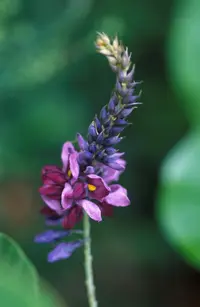
  • Flower clusters hang from the leaf axils, bearing many pea-like purple flowers.
  • Pods are flat, narrow, and covered with dense brown hairs.

Hairy pods and 3-part leaves together are especially useful clues.

Pueraria montana shows clear visual shifts as vines elongate, flower, and later set pods.

  • Young plant: Early vines stay relatively thin and produce alternate trifoliate leaves; each leaf has three broad leaflets that may be entire or shallowly lobed.
  • Mature plant: Older plants become long, twining, woody vines that blanket supports; stems thicken and branch heavily, with trailing growth extending well beyond 30 feet (9 m).
  • Flowering stage: Flowering shoots carry upright clusters of purple, pea-like blossoms held above the leaves, adding dense, conspicuous flower spikes unlike the purely leafy vegetative stage.
  • Fruiting stage: After flowering, flattened, brown, hairy pods replace the flower clusters, hanging in groups and making the vine look coarser and more segmented.

In spring, kudzu leafs out with fresh green trifoliate leaves, then in midsummer to late summer it becomes easier to spot when hanging clusters of purple, pea-like flowers appear against the foliage. By fall, flattened brown pods may be visible after flowering. After frost, the leaves drop and the vine stands out as a mass of bare, twining stems draped over trees, fences, and shrubs through winter.

A few vigorous vines can be mistaken for kudzu at a glance.

hog peanut(Amphicarpaea bracteata)

Both have compound leaves with three leaflets and twining stems. Hog peanut is a much finer vine, with smaller leaflets usually 1 to 4 inches (2.5 to 10 cm) long and slender pods; it lacks the thick, blanket-forming growth typical of Pueraria montana.

American groundnut(Apios americana)

This native twining vine can suggest the same leafy mass from a distance. It differs by having 5 to 7 leaflets per leaf, not three, and maroon to brownish pea flowers in tight clusters rather than broad purple racemes.

Pueraria montana is native to eastern and southeastern Asia, including China, Japan, Korea, Taiwan, and parts of mainland Southeast Asia. It occurs in open woodland margins, thickets, roadsides, streambanks, and disturbed slopes. That setting helps with identification because this species is often found scrambling over other vegetation in sunny to partly shaded edge habitats rather than deep forest or wetlands. In North America, habitat alone does not confirm nativeness, since it is widely introduced and invasive.

Confirm It from a Photo

Use Botan to identify or verify the plant from a photo, which helps avoid mix-ups with similar species.

FAQ

The clearest feature is the large compound leaf with three leaflets. The center leaflet often has a longer stalk than the side ones, and the vigorous twining vine can blanket trees, fences, and roadsides.

More Plant Identification Guides

One Photo. More About Your Plant.

Identify a plant from a photo with Botan, then get species-specific care information, safety notes, and common problems.

Botan app identifying a plant from a photo
How to Tell if a Plant Is Dead

6 min read · 19 Aug 2026

How to Tell if a Plant Is Dead

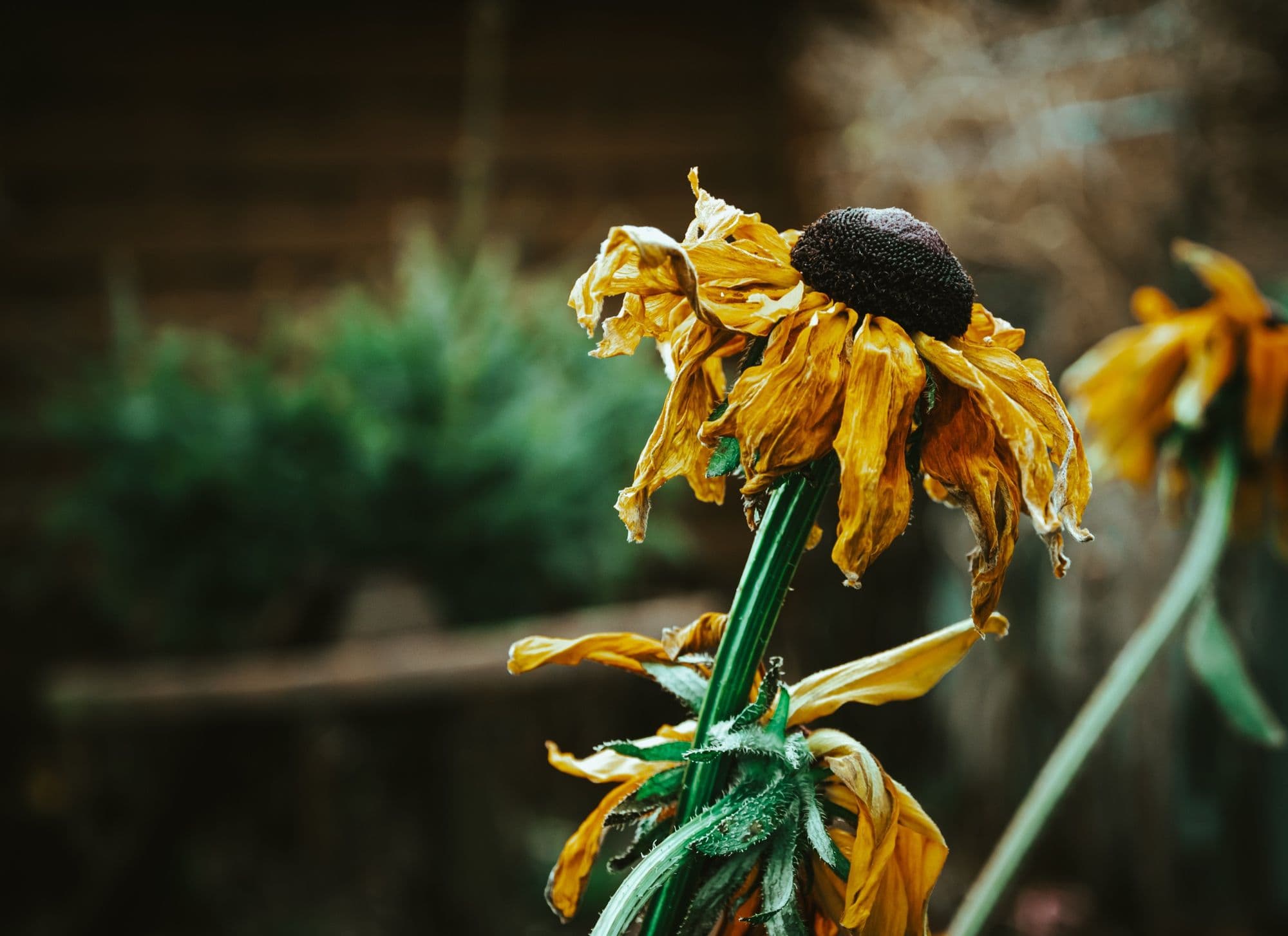
A plant can lose its leaves, stop growing, or collapse and still remain alive. A closer look at the stems, roots, bulbs, and tubers can show whether the plant still has a chance to recover.

Beginner Guides

How to Tell if a Plant Is Dead
Best Fertilizer for Vegetable Gardens – What to Use for Each Plant

11 min read · 20 Jul 2026

Best Fertilizer for Vegetable Gardens – What to Use for Each Plant

Here, you’ll find the right fertilizer formula for vegetables in your garden. Learn how to adjust feeding correctly throughout the growing cycle, spot nutrient deficiencies by their symptoms, and keep your plants healthy and prolific.

Plant Recommendations
Best Fertilizer for Vegetable Gardens – What to Use for Each Plant
12 Best Plants for Bathroom That Thrive in Humid Conditions

9 min read · 29 Sept 2026

12 Best Plants for Bathroom That Thrive in Humid Conditions

Discover the 12 best plants for bathroom spaces. Each pick comes with its own advantages, plus light, humidity, watering, and placement tips. Take a look and match the plant to your specific bathroom.

Plant Recommendations
12 Best Plants for Bathroom That Thrive in Humid Conditions