pokeweed Identification (Phytolacca dodecandra)

Recognize Phytolacca dodecandra by its scrambling, woody vine habit, simple alternate leaves that are broadly oval to elliptic, and many small flowers packed on slender hanging spikes.

It often forms long, twining stems rather than a self-supporting trunk, with leaves several inches long and flower clusters held in narrow drooping racemes.

Phytolacca dodecandra Identification

Check Your Plant ID

Upload a clear photo to check your plant identification with Botan.

Clear images work best. Avoid photos taken too close or too far away

Check the overall vine habit and clustered fruits of Phytolacca dodecandra.

  • A woody scrambling or climbing shrub, often forming long, flexible stems rather than a single upright trunk.
  • Leaves are simple, alternate, oval to elliptic, with smooth edges and pointed tips, often about 2-6 inches (5-15 cm) long.
  • Small flowers sit in narrow drooping clusters along the stems.
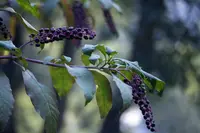
  • Fruits are rounded berries held in hanging clusters, each berry clearly ribbed or lobed and turning dark at maturity.

The hanging flower and fruit clusters are often the quickest visible clue.

Phytolacca dodecandra shows clear visual shifts from slender juvenile growth to berry-bearing maturity.

  • Young plant: Young plants form a lean, scrambling shrub with green to reddish stems and simple, alternate leaves; branching is light compared with older, fruiting plants.
  • Flowering stage: Flowering branches carry narrow, drooping clusters of many small greenish-white flowers, adding a distinctly pendant look absent in the earlier leafy stage.
  • Fruiting stage: After flowering, those hanging clusters fill with glossy berries about 1/4 inch (6 mm) wide that darken strongly, making the shrub visually heavier and more conspicuous.

Phytolacca dodecandra is most distinctive when flowering and fruiting. In the growing season, hanging clusters of small greenish to whitish flowers become visible, followed by dense clusters of berries that darken as they mature. In cooler or drier periods, plants may lose much of their leafy cover, making the twining or scrambling stems easier to notice. That contrast between leafy, fruiting growth and a barer framework can help with recognition.

A few berry-bearing vines and herbs can be mistaken for Phytolacca dodecandra at a glance.

American pokeweed(Phytolacca americana)

Often confused because both have drooping clusters of dark berries and broad simple leaves. American pokeweed is usually an upright herb to about 6 to 10 feet (1.8 to 3 m), not a scrambling vine, and its fruiting stalks are often thicker and more erect.

Black nightshade(Solanum nigrum)

Can cause confusion when fruit is present, since both carry shiny dark berries. Black nightshade stays much smaller, usually under 3 feet (90 cm), and its berries are borne in small umbels, a flat-topped cluster, rather than long hanging racemes.

Phytolacca dodecandra is native to tropical Africa and is especially documented in eastern and central Africa. It is often found in upland areas rather than lowland forest, including moist thickets, forest margins, streambanks, and disturbed ground. That setting helps with identification because this species is frequently encountered as a scrambling or climbing plant in humid, well-vegetated places. In its native range, seeing it on edges and along watercourses can help separate it from look-alikes typical of drier open sites.

  • Poisonous berries and roots: Phytolacca dodecandra is toxic if eaten. The berries are especially noted as poisonous, and the roots are also harmful. This ingestion risk applies to humans and pets.
  • Skin and eye irritation: Plant juices can irritate skin on contact and are more serious if they get into the eyes. This is a contact risk for humans and can also affect pets that brush through or mouth the plant.

Does Your Plant Match?

Use Botan to compare a photo and help confirm the plant before you label it or keep searching.

FAQ

Sometimes, but flowers make confirmation easier. This species is a climbing or scrambling shrub rather than an upright herb, and its leaves are alternate. For identifying pokeweed, flower and fruit clusters are the most reliable check.

More Plant Identification Guides

Find the Plant. Get the Details.

Identify a plant from a photo with Botan, then review its profile, care information, and common problems.

Botan app identifying a plant from a photo
How to Bottom Water Plants: Complete Guide

6 min read · 13 Jul 2026

How to Bottom Water Plants: Complete Guide

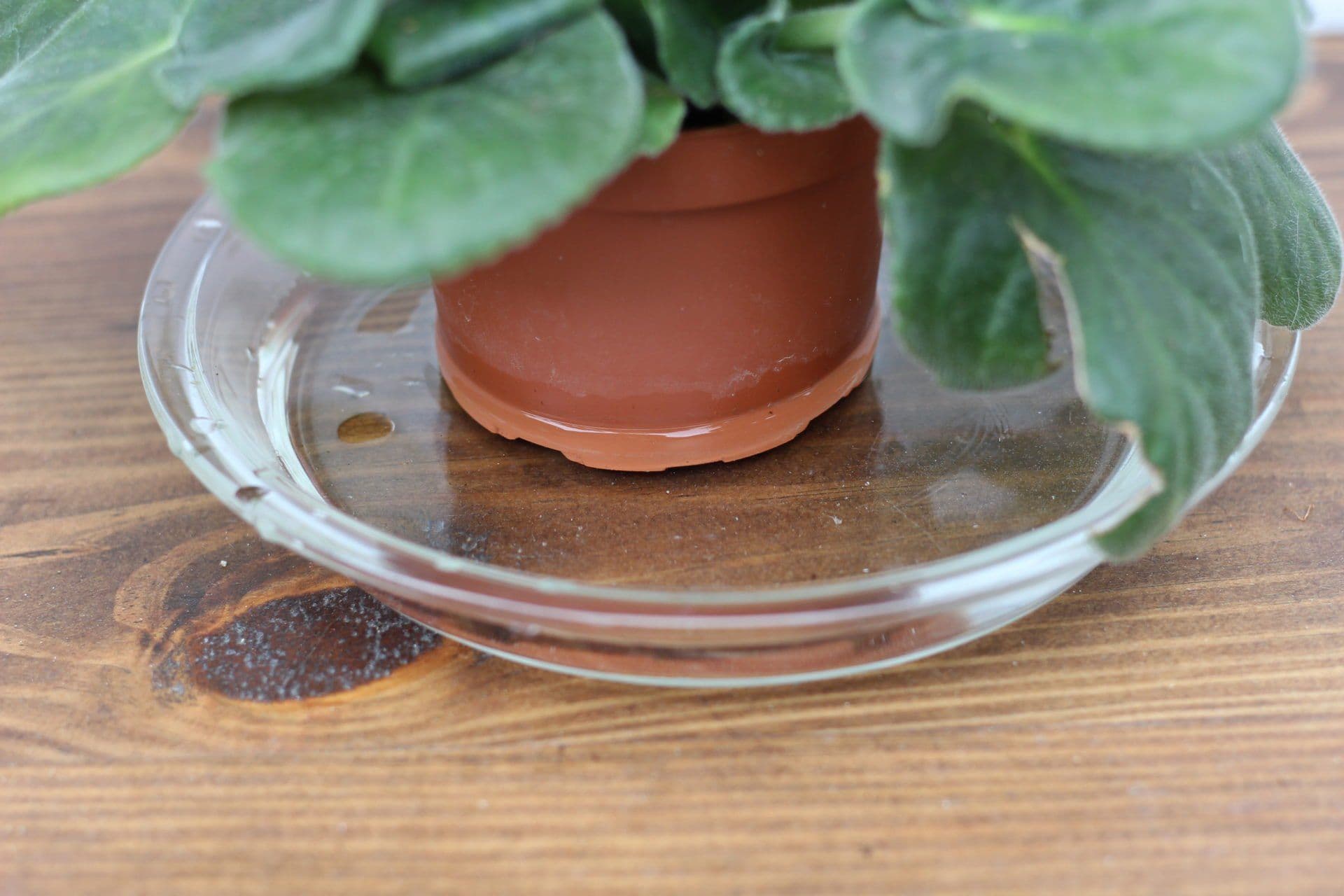
Bottom watering helps soil absorb moisture evenly and keeps foliage dry, reducing the risk of missed dry spots or root problems. Place the pot in a tray of water for a short time, then let it drain well.

Plant Care
How to Bottom Water Plants: Complete Guide
How To Revive a Dying Plant: 6 Steps To Bring A Plant Back To Life

6 min read · 1 Sept 2026

How To Revive a Dying Plant: 6 Steps To Bring A Plant Back To Life

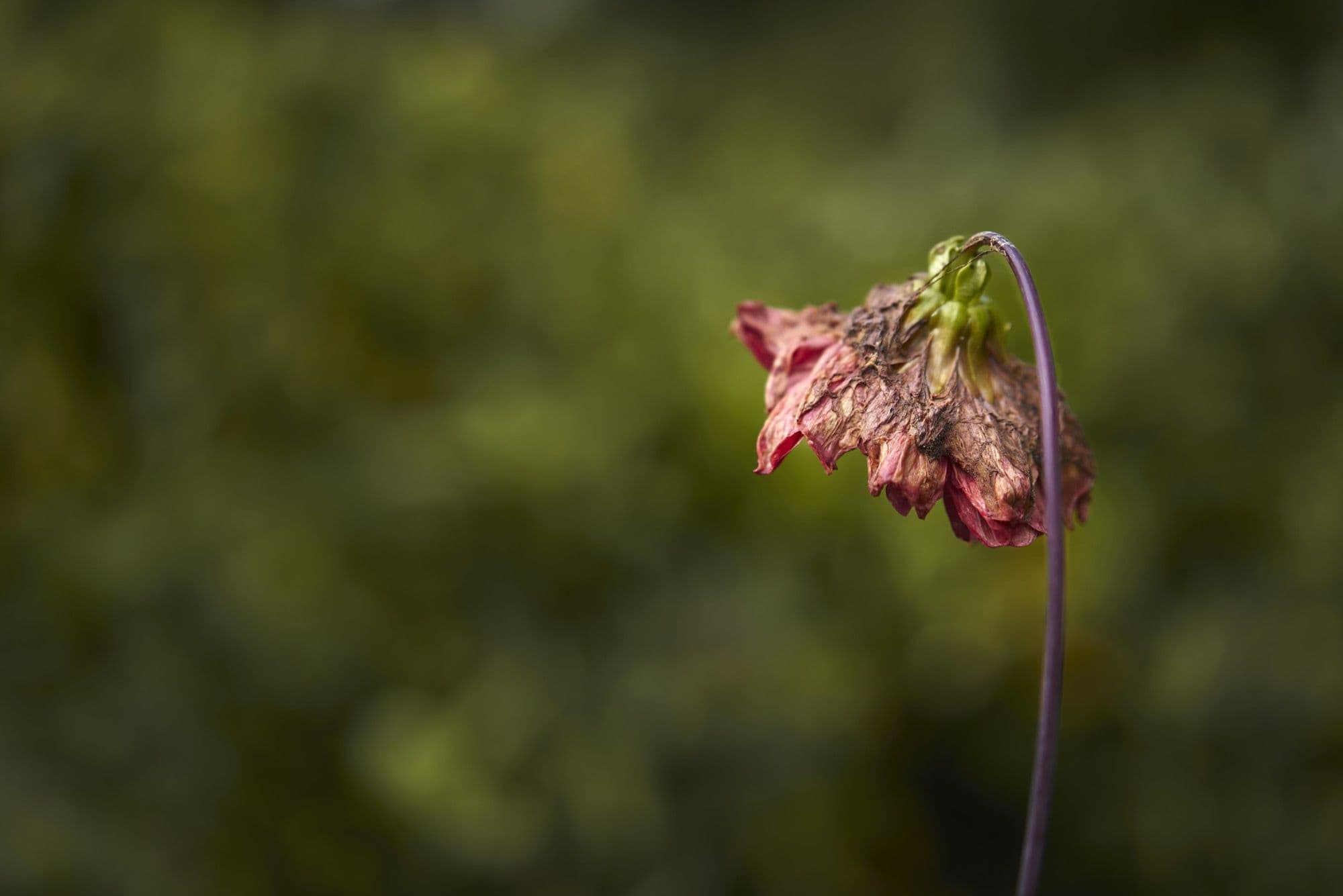
Drooping leaves and brown tips don't always mean the end, and a weakened plant can often recover with a little help. These six simple steps will help you revive a dying plant and restore its health.

Plant Care
How To Revive a Dying Plant: 6 Steps To Bring A Plant Back To Life
Plants That Repel Bugs – 20 Effective Options

12 min read · 16 Jul 2026

Plants That Repel Bugs – 20 Effective Options

Mosquitoes on the patio? Gnats in the kitchen? Some plants keep them away with the scent of their own leaves. Here are 20 that deal with mosquitoes, flies, aphids, and more, plus where to put them so they help.

Plant Recommendations
Plants That Repel Bugs – 20 Effective Options