pokeweed Care (Phytolacca dodecandra)

Also known as: African Soapberry
pokeweed

About pokeweed

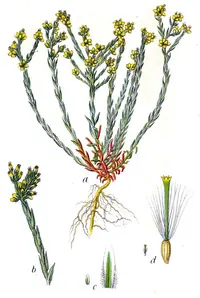
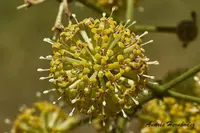
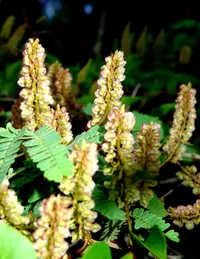
Phytolacca dodecandra, commonly called African soapberry or pokeweed, is a vigorous perennial shrub or vine-like plant with arching stems and clustered berries. It often grows along roadsides, riverbanks, and disturbed ground in its native African range and in some subtropical areas elsewhere.

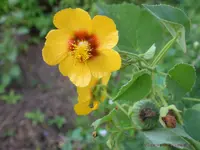
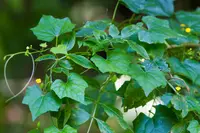
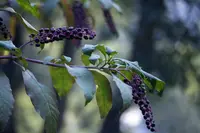
The plant produces small greenish flowers followed by colorful, usually red to black berries, and has broad, soft leaves. It can spread aggressively by seed and root, so it may become invasive in suitable climates.

Phytolacca dodecandra prefers sunny, open sites with moist, well-drained soil. Its strong growth and spreading habit mean gardeners should plan carefully how to care for pokeweed in managed landscapes.

Main Plant Requirements

Care Difficulty

Moderate Care

Light Preference

Full Sun

Water Requirements

Moderate Water

Temperature Preference

Warm Climate

Hardiness Zone

8–11

Soil Texture

Sandy, Loamy, Organic-rich

Soil pH

Acidic (5.5–6.5), Slightly acidic (6.5–7.0)

Soil Drainage

Moist but well-drained

Fertilization

Minimal (feed rarely)

Get Personalized Care Plan

Scan your plant to receive care tips personalized for your specific plant

Available on iOS and Android

How to Care for the pokeweed

This vigorous climber prefers consistent sun exposure to fuel its fast growth.

  • Provide 6–8 hours of direct sun daily; morning sun with light afternoon shade suits hot summer regions best.
  • Tolerates partial shade (around 3–4 hours of sun), but stems may stretch and berry production drop if light is too low.
  • In very hot climates, protect pokeweed from intense mid-afternoon sun to reduce leaf scorch and excessive moisture loss, especially in midsummer.

This species prefers evenly moist, not saturated, soil once established outdoors.

  • Before watering, check that the top 3–5 cm of soil have dried; moisture should feel cool but not soggy at root depth.
  • In spring and early summer, increase watering during active growth and flowering, then reduce once rains lessen or growth slows late in the season.
  • Watch for yellowing, soft stems as a sign of overwatering and crisp, wilting leaves plus dry, cracked soil as a sign of underwatering for Phytolacca dodecandra.

This plant grows best in mild to warm, frost-free conditions outdoors.

  • Optimal growth occurs around 65–80°F (18–27°C), with steady warmth supporting strong vine and leaf development.
  • Tolerates brief drops to about 40°F (4°C) but suffers damage near freezing and should be protected from hard frost or prolonged cold snaps.
  • Handles summer heat up to about 90°F (32°C) if soil moisture is maintained; above this, growth may slow and foliage can scorch in full afternoon sun.

This species tolerates a wide humidity range and rarely needs special humidity management outdoors.

  • Target ambient humidity around 30–60% for healthy growth, similar to most temperate outdoor conditions.
  • Pokeweed tolerates short dry spells but prolonged very dry air combined with heat may cause marginal leaf browning and curl.
  • If plants show humidity stress during hot, arid weather, use mulch over the root zone and provide light wind protection rather than misting foliage.

Phytolacca dodecandra grows best in loose, moderately fertile mineral soil with reliable drainage.

  • Use a loamy or sandy-loam substrate with visible aggregates, avoiding compacted or heavy clay that holds standing water.
  • Aim for slightly acidic to neutral pH, around 6.0–7.0, which supports nutrient availability and strong root development.
  • In garden beds, improve structure by incorporating 20–40% compost plus coarse sand to increase both organic matter and drainage.
  • For raised beds or large containers, blend roughly 2 parts garden loam with 1 part compost and 1 part coarse material such as perlite or fine bark to maintain aeration.

This species can be grown in containers, but it requires careful management due to its vigorous root system and bulk above ground.

  • Choose a deep, heavy pot to prevent tipping as stems elongate and become top-heavy in wind or rain.
  • Select thick-walled clay or concrete containers to moderate moisture swings and reduce overheating of the root zone in full sun.
  • Leave several centimeters between the soil surface and pot rim to contain vigorous top growth and allow thorough watering without overflow.

This vigorous species usually needs only modest feeding in reasonably fertile soil when growing pokeweed in gardens or large containers.

  • Use a light application of compost or well-rotted manure in early spring to refresh soil nutrients.
  • In poor soils, apply a balanced slow-release fertilizer (around 10-10-10) at the start of the growing season.
  • If using liquid feed, dilute to 1/2 strength and apply every 4–6 weeks during active growth only.
  • Avoid feeding in late fall or winter, when the plant is dormant, to prevent weak, frost-sensitive growth.

Phytolacca dodecandra responds well to thoughtful pruning that manages size and maintains safe, tidy growth.

  • Carry out main pruning in late winter or very early spring before strong new growth begins.
  • Remove dead, damaged, or crossing stems first, cutting back to healthy tissue with clean, sharp pruners.
  • Thin out crowded shoots to open the plant, improve air flow, and reduce the risk of disease.
  • Shorten overly long stems to shape the plant and limit spread, making smooth angled cuts just above a bud.

This plant is more often grown in the ground than in pots, so management focuses on careful transplanting rather than frequent repotting.

  • Transplant in early spring or early fall, when temperatures are mild and soil moisture is consistent.
  • Choose a new site with well-drained soil and similar light conditions to reduce transplant shock.
  • Lift the plant with as much root ball as possible, disturb roots minimally, and water thoroughly after planting.
  • Monitor for wilting over the next 1–2 weeks and keep soil evenly moist, not waterlogged, while roots re-establish.

Propagation of Phytolacca dodecandra is usually done from seed, with some potential for softwood cuttings under controlled conditions.

  • Collect ripe berries, extract seeds, and clean off pulp, which can inhibit germination.
  • Sow seeds in late winter to early spring in a free-draining seed mix, just barely covering them.
  • Provide warmth around 68–75°F, consistent light, and evenly moist medium until germination occurs.
  • For cuttings, take soft young shoots in late spring, use rooting hormone, and maintain high humidity until roots form.

In mild to moderate climates this species is fairly hardy and needs only limited winter attention in the ground.

  • In regions with freezing winters, expect top growth to die back while roots survive if soil is well drained.
  • Apply a 5–8 cm mulch layer around the root zone in late fall, keeping it slightly away from stems.
  • For container plants in colder areas, move pots to a sheltered, frost-free but cool location over winter.

Care Tips

Install sturdy supports

Provide strong stakes or a wire frame early in the season so the long, arching stems stay upright and accessible for monitoring, harvesting, or removing berries before wildlife spreads seed.

Control unwanted spread

Regularly deadhead spent flower spikes and remove immature fruit clusters before they ripen to reduce self-seeding and keep the plant confined to its designated area.

Use protective barriers

In mixed plantings, install root barriers or plant in large, contained beds so the vigorous root system does not outcompete nearby ornamentals or crops over time.

Practice tool hygiene

Disinfect cutting tools with 70% isopropyl alcohol before and after pruning to limit the spread of any fungal or bacterial issues between plants when caring for pokeweed.

Manage toxicity safely

Wear gloves and long sleeves when handling stems, sap, or berries, and collect all pruned material in sealed bags for disposal so pets, children, and wildlife cannot access the toxic plant parts.

Everything About pokeweed

Common Pests and Diseases

Leaf spot

Symptoms include small brown to black spots on leaves that may enlarge, merge, and cause premature yellowing and drop. This disease is usually caused by fungi that thrive on moist foliage and dense growth.

Solution

Remove and discard affected leaves, avoid overhead watering, and thin nearby vegetation to improve air movement. If the problem is persistent in outdoor plantings, apply a copper-based fungicide or chlorothalonil according to label directions, treating new foliage during extended wet periods as part of broader Phytolacca dodecandra plant care.

Powdery mildew

This disease appears as a white to gray powdery coating on upper leaf surfaces and young shoots, sometimes causing distortion or stunting. It is favored by warm days, cool nights, and poor air circulation.

Solution

Prune to open the plant canopy and surrounding area, avoid crowding with other plants, and water at soil level rather than on foliage. For recurring issues, use a labeled sulfur or potassium bicarbonate spray at the first sign of mildew and repeat as directed to protect new growth.

Aphids

These insects cluster on young stems, undersides of leaves, and flower buds, sucking sap and excreting sticky honeydew that can lead to sooty mold growth. This pest can cause curled foliage and reduced vigor in young plants or new growth.

Solution

Dislodge colonies with a strong stream of water, then monitor new growth weekly. If needed, apply insecticidal soap or a light horticultural oil, making sure to coat leaf undersides and repeating applications while populations are present.

Spider mites

This pest is most common in hot, dry weather and causes fine stippling, bronzing, and eventual leaf drop, often with very fine webbing on the undersides of leaves. This pest can weaken plants grown in containers or in very sheltered, dry sites.

Solution

Increase humidity around the plant where feasible, hose down foliage to physically remove mites, and prune heavily infested sections. For continued infestations, use horticultural oil or insecticidal soap, ensuring thorough coverage of leaf undersides and repeating every 5–7 days until new damage stops.

Leaf miners

These insects create winding, pale tunnels inside leaves as larvae feed between leaf surfaces, which can reduce photosynthesis and make foliage look unsightly. This pest usually affects tender younger leaves more than mature ones.

Solution

Remove and dispose of mined leaves promptly to reduce larval numbers and future adults. In severe or repeated cases, use a systemic insecticide labeled for leaf miners on ornamental plants, applying early in the season to protect new foliage, and encourage natural predators by avoiding broad-spectrum sprays when possible.

Interesting Facts

Natural molluscicidal properties

Extracts from this species’ fruits and leaves are scientifically documented to kill freshwater snails that transmit schistosomiasis, and have been studied as a potential low-cost control tool in endemic regions of Africa.

Traditional soapberry use

In parts of eastern Africa, the berries are traditionally used as a soap substitute because their natural surfactant compounds create lather in water and help remove oils from fabrics and skin.

Distinctive climbing habit

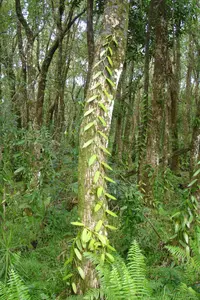
Unlike the better-known American pokeweed, this species often grows as a scrambling or climbing shrub on hedges and supports, which helps it reach light in disturbed habitats and at forest edges.

Botan icon

Did you know?

This species was the subject of coordinated research programs by the World Health Organization and African institutions in the late 20th century, which evaluated it as a locally sourced plant-based agent for integrated control of schistosomiasis-transmitting snails in rural communities.

FAQs about pokeweed

This species spreads readily by seed and root fragments. Birds disperse the berries, and any root left in soil can resprout. Gardeners often find it invasive and should remove seedlings promptly and dig out entire roots.

Grow Healthy Plants with Botan Care

Keep your plants happy and healthy with plant identification, disease detection, and easy care guidance.

Botan plant care app — identify plants on mobile

Explore More Plants