pennyroyal Care (Mentha pulegium)

pennyroyal

About pennyroyal

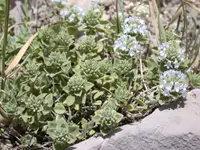
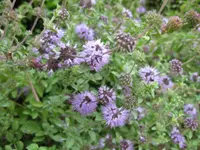
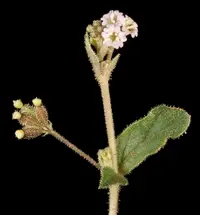
Pennyroyal, Mentha pulegium, is a low, spreading perennial herb in the mint family. It often forms dense mats with small, oval, strongly scented leaves. In summer it produces clusters of tiny lilac to pale purple flowers along upright stems. The plant is native to Europe, North Africa, and parts of Western Asia but is grown in many temperate regions. It favors moist, well-drained soils and open, sunny spots but tolerates light shade. Its vigorous, creeping growth makes it useful as a groundcover, yet this same habit can make it invasive if not controlled. Understanding how to care for pennyroyal helps keep it healthy while preventing unwanted spread.

Main Plant Requirements

Care Difficulty

Moderate Care

Light Preference

Partial Sun

Water Requirements

Keep Soil Moist

Temperature Preference

Cool Climate

Hardiness Zone

6–9

Soil Texture

Loamy, Silty, Organic-rich

Soil pH

Acidic (5.5–6.5), Slightly acidic (6.5–7.0)

Soil Drainage

Moist but well-drained

Fertilization

Minimal (feed rarely)

Get Personalized Care Plan

Scan your plant to receive care tips personalized for your specific plant

Available on iOS and Android

How to Care for the pennyroyal

Mentha pulegium prefers bright conditions but is sensitive to intense, drying sun.

  • Provide 4–6 hours of light daily, with morning sun and light afternoon shade ideal in most climates.
  • Allow partial shade, especially in hot regions; strong sun after 2–3 p.m. can scorch leaves and dry soil quickly.
  • In summer, use filtered light or dappled shade during heat waves; in low-light seasons, move pennyroyal to the brightest outdoor spot available.

This moisture-loving mint needs consistently damp but not waterlogged soil.

  • Water when the top 1–2 cm of soil feels just barely moist, not dry and dusty, aiming to avoid complete drying between waterings.
  • Use soil with good drainage; standing water, sour smell, or yellow, limp stems indicate overwatering and possible root problems.
  • In hot, windy periods increase checks, while in cool or rainy seasons reduce watering, watching for wilting, crisp leaves as a sign of underwatering.

This plant prefers mild, maritime-type conditions rather than extremes of heat or cold.

  • Aim for 60–75°F (16–24°C) during active growth for best vigor and leaf production.
  • Mentha pulegium tolerates brief drops to about 20–25°F (-6 to -4°C) once established, but new growth and young plants are more frost-sensitive.
  • Above 85°F (29°C), give extra shade and moisture; in cold regions, protect roots with mulch before hard freezes or grow in a more sheltered microclimate.

This species grows well in typical household humidity but benefits from moderately moist air in heated homes.

  • Aim for 40–60% humidity; sustained levels below 30% can dry leaf edges and dull fragrance.
  • Dry indoor air may cause curling, browning tips, and slower growth in pennyroyal.
  • Increase humidity by grouping pots, placing containers on a pebble tray with water, or lightly misting foliage in the morning.

Mentha pulegium prefers moist, well-drained, moderately fertile soil that does not stay waterlogged.

  • Use a loose, loamy mix made from roughly 2 parts all-purpose potting soil, 1 part compost, and 1 part coarse sand or perlite.
  • Ensure fast drainage so the mix stays evenly moist but never soggy, which reduces the risk of root rot.
  • Target a slightly acidic to neutral pH around 6.0–7.0, avoiding very alkaline or saline conditions.
  • Improve aeration by incorporating coarse particles and breaking up compaction before planting, especially in heavier garden soils.

This mint species is well suited to container growing for easier control of spread and moisture.

  • Select a wide, shallow to medium-depth pot to match its spreading root system and limit invasive runners.
  • Choose terracotta or other porous materials if you need faster drying, or glazed pots in hot climates to slow water loss.
  • Stabilize the container on a flat surface or in a heavy outer cachepot to prevent tipping as stems elongate and sprawl over the rim.

Mentha pulegium grows best in moderately fertile soil and benefits from light feeding during active growth.

  • Apply a balanced liquid fertilizer (for example 10-10-10) diluted to 1/4–1/2 strength every 4–6 weeks in spring and summer.
  • Alternatively, top-dress with a thin layer of mature compost once in spring for gentle, slow nutrient release.
  • Use slow-release granules sparingly in containers, following the lower end of label rates to avoid lush, weak growth.
  • Stop feeding pennyroyal in fall and winter when growth slows or plants go dormant.

Pruning helps Mentha pulegium stay dense, leafy, and within bounds.

  • Begin light pruning in late spring once new growth is established, then repeat after flushes of growth through summer.
  • Use clean scissors or snips to remove dead, damaged, or leggy stems, cutting just above a leaf node.
  • Shear back up to 1/3 of the plant after flowering to encourage fresh foliage and reduce self-seeding.
  • Regular tip pinching shapes a low, compact mat and improves airflow, which lowers disease risk.

Mentha pulegium is often grown as a groundcover but also adapts to containers that need periodic repotting or division.

  • Check containers yearly; roots circling the pot, drying out fast, or slow growth indicate it is time to move up 1 pot size.
  • Plan transplanting or repotting for early spring or early fall when temperatures are mild and stress is lower.
  • Expect division or repotting every 1–2 years to refresh crowded clumps and maintain vigorous growth.
  • Water well before and after moving, handle the root ball gently, and shade the plant for a few days to reduce transplant shock.

Mentha pulegium is commonly propagated to refresh plantings or create new patches.

  • Divide established clumps in early spring or early fall, replanting sections with healthy roots at the same depth.
  • Take 7–10 cm softwood stem cuttings in late spring, remove lower leaves, and root in moist, well-drained mix under bright, indirect light.
  • Use simple layering by pegging a low stem to moist soil until roots form, then sever and transplant the new plant.
  • Sow seeds on the surface of moist seed mix in spring, keep at 65–75°F, and provide light for even germination.

Mentha pulegium has moderate cold tolerance but benefits from simple winter protection in colder regions.

  • In USDA zones around 6–7 and warmer, plants often overwinter in the ground with minimal loss of crowns.
  • After the first hard frost, cut back blackened stems and clean away diseased or mushy material.
  • Apply a 3–5 cm layer of loose mulch around the root zone in fall to buffer freeze–thaw cycles.
  • Move containers to a cool, bright, frost-free area, keep soil just slightly moist, and avoid heavy feeding.

Care Tips

Control Spreading Habit

Install a shallow root barrier or grow pennyroyal in a contained bed or large nursery pot sunk into the ground to prevent its creeping roots from overtaking nearby plants.

Seasonal Rejuvenation Cut

After peak flowering, shear the plant back by 1/3–1/2 to remove woody, leggy growth and stimulate a dense flush of new, aromatic foliage.

Moisture-Safe Mulching

Apply a very thin (0.5–1 cm) layer of fine bark or compost around the plant, keeping it 2–3 cm away from stems, to help soil stay evenly moist without encouraging stem rot.

Airflow For Disease Control

Space plants 20–30 cm apart and avoid crowding with taller herbs so air can move through the foliage and reduce the risk of fungal diseases in this moisture-loving species.

Targeted Harvest Strategy

Harvest stems in the morning once dew has dried, taking only the upper 1/3 of growth from multiple shoots, which preserves vigor and maintains a steady supply of young leaves for caring for pennyroyal.

Everything About pennyroyal

Common Pests and Diseases

Mint rust

This disease causes small orange, yellow, or brown pustules on the undersides of leaves and can lead to yellowing, distortion, and early leaf drop.

Solution

Remove and discard all affected leaves and severely infected stems, avoid overhead watering, and improve spacing for better airflow; if the plant is heavily affected, cut it back hard and dispose of debris, then replant in fresh soil and avoid reusing contaminated pots or nearby soil.

Powdery mildew

This disease appears as a white, floury coating on leaves and stems and can cause leaf curling, yellowing, and reduced vigor in dense pennyroyal patches.

Solution

Increase air circulation by thinning stems, avoid wetting foliage in the evening, and promptly remove heavily covered leaves; for persistent infections, apply a gentle treatment such as a horticultural oil or potassium bicarbonate spray labeled for herbs, following label directions carefully.

Aphids

These insects cluster on young shoots and leaf undersides, sucking sap and causing distorted, sticky growth that can attract ants and promote sooty mold.

Solution

Wash colonies off with a strong but controlled stream of water, then inspect regularly and repeat as needed; if numbers remain high, use insecticidal soap or neem oil, coating the undersides of leaves and tender tips, and avoid spraying in full sun to prevent leaf burn while caring for pennyroyal.

Spider mites

This pest thrives in hot, dry conditions and causes fine stippling on leaves, slight bronzing, and delicate webbing between stems and foliage.

Solution

Increase humidity around the plant, regularly hose down both sides of leaves to dislodge mites, and remove badly damaged growth; if activity continues, apply insecticidal soap or a light horticultural oil to all leaf surfaces, repeating at labeled intervals until populations drop.

Leaf spot

This disease causes small, dark, water-soaked or tan spots on leaves that may merge and lead to premature leaf drop, especially in overcrowded or poorly ventilated stands.

Solution

Prune out and discard affected leaves, thin dense growth to improve airflow, and water at the base rather than over the foliage; in humid climates, rotate planting areas and avoid overhead irrigation to reduce future outbreaks, and replace plants that stay chronically affected despite cultural corrections.

Interesting Facts

Specialized wetland habitat

Pennyroyal naturally occurs in seasonally wet habitats such as stream margins, pond edges, and winter-flooded meadows, where it tolerates periodic waterlogging that would damage many other mint species.

Potent insect-repellent aroma

The leaves emit a strong scent dominated by pulegone, a monoterpene compound known to deter some insects and grazing animals, which is why the plant has historically been used as a household insect repellent rather than only as a culinary herb.

Toxic essential oil chemistry

The essential oil is unusually rich in pulegone and related metabolites that are hepatotoxic, meaning they can damage the liver, so even small concentrated doses of pennyroyal oil are considered dangerous for humans and animals.

Botan icon

Did you know?

In several regions outside its native range, including parts of western North America and Australia, pennyroyal has become a problematic invasive species that forms dense stands along waterways and wet pastures, displacing native plants and altering local plant communities.

FAQs about pennyroyal

This species spreads quickly by runners and self-seeding, especially in moist soil. It can become troublesome in beds or near lawns, so edging, containers, or root barriers help keep it confined and easier to manage.

Grow Healthy Plants with Botan Care

Keep your plants happy and healthy with plant identification, disease detection, and easy care guidance.

Botan plant care app — identify plants on mobile

Explore More Plants