Firecracker Vine Care (Manettia cordifolia)

Firecracker Vine

About Firecracker Vine

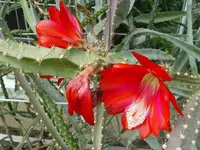
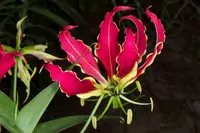
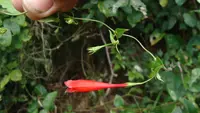
Firecracker vine, Manettia cordifolia, is a warm-climate evergreen climber grown for its bright tubular red-and-yellow flowers. It is often used on trellises, fences, or hanging containers. Native to tropical regions of South America, it produces slender, twining stems with small, soft green leaves and almost continuous blooms in suitable conditions. The flowers are attractive to hummingbirds outdoors in mild climates. This plant grows best with consistent warmth, moderate moisture, and well-drained soil, and it prefers bright light with some protection from harsh midday sun. Once established, it tends to be a manageable vine for home gardeners who want to learn how to care for Firecracker Vine.

Main Plant Requirements

Care Difficulty

Moderate Care

Light Preference

Full Sun

Water Requirements

Regular Water

Temperature Preference

Tropical / Frost Sensitive

Hardiness Zone

9–11

Soil Texture

Sandy, Loamy, Organic-rich

Soil pH

Acidic (5.5–6.5), Slightly acidic (6.5–7.0)

Soil Drainage

Moist but well-drained

Fertilization

Light (every 4–6 weeks)

Get Personalized Care Plan

Scan your plant to receive care tips personalized for your specific plant

Available on iOS and Android

How to Care for the Firecracker Vine

Manettia cordifolia thrives in bright conditions with several hours of direct sun daily.

  • Provide 4–6 hours of direct morning sun with light afternoon shade, especially in hot summer climates, for best flowering of Firecracker Vine.
  • In warm regions, protect from harsh afternoon sun; use dappled or filtered light after 1–2 pm to reduce leaf scorch and drying stress.
  • In cooler or coastal areas, full sun all day is usually suitable, but if stems stretch and flowering is sparse, increase direct light exposure.

Manettia cordifolia prefers evenly moist but never waterlogged soil.

  • Water when the top 3–5 cm of soil feels dry, applying enough to moisten the root zone, then allow excess to drain away fully.
  • Use loose, well-drained soil; standing water around the roots causes yellowing leaves, soft stems, and increased risk of root rot.
  • In hot, active growth periods, expect more frequent watering, while in cooler weather reduce volume; wilting, dull leaves, and dry, brittle tips suggest underwatering.

This vine grows best in warm, frost-free conditions with mild seasonal variation.

  • Aim for 65–80°F (18–27°C) during active growth; consistent warmth supports steady flowering and vigorous stems.
  • Protect from cold; growth slows below 55°F (13°C) and plants can be damaged or killed by frost near 32°F (0°C).
  • In hotter climates, plants tolerate brief spikes to 90–95°F (32–35°C) if soil moisture is stable and roots are insulated with mulch.

This vine prefers moderately humid air but copes with typical indoor levels if not extremely dry.

  • Aim for 40–60% humidity to support steady growth and flowering of Firecracker Vine.
  • Crisping leaf edges, stalled growth, and buds dropping before opening indicate air that is too dry.
  • Use a nearby open tray of water with stones or a small room humidifier rather than misting leaves directly to raise humidity.

Manettia cordifolia grows best in loose, well-drained, organic-rich soil that never stays waterlogged.

  • Use a mix of 50–60% peat or coco coir, 20–30% compost, and 20–30% perlite or coarse sand for structure and drainage.
  • Aim for slightly acidic to neutral pH around 6.0–7.0, which supports nutrient availability and root health.
  • In heavy or compact garden soil, add coarse sand and fine bark to improve aeration and prevent root suffocation.
  • Avoid dense clay, poorly drained spots, or pure sand, as both extremes restrict root function and reduce flowering.

This species is well suited to container growing outdoors on balconies, patios, or near supports.

  • Choose a pot wide enough to anchor a trellis or support, as the vine becomes top-heavy when mature.
  • Select a slightly heavier material such as ceramic or thick plastic to reduce tipping in windy conditions.
  • Fill large containers only partly with lighter substrate ingredients to keep overall weight manageable while still providing deep root room.

Manettia cordifolia responds well to moderate feeding during active growth for steady blooming.

  • Use a balanced liquid fertilizer (for example 10-10-10) at 1/2 strength every 2–4 weeks in spring and summer.
  • Apply a slow-release fertilizer or a thin layer of compost once in early spring for background nutrition.
  • Pause or reduce feeding to once every 6–8 weeks in fall and winter when growth slows.
  • Water before applying fertilizer to Firecracker Vine to limit root burn and distribute nutrients evenly.

Pruning helps Manettia cordifolia stay compact and produce more flowering shoots.

  • Carry out main pruning in late winter or very early spring before vigorous new growth starts.
  • Remove dead, damaged, or tangled stems first, then shorten overly long vines to shape the plant.
  • Use clean, sharp hand pruners and make angled cuts just above a healthy leaf node.
  • Light trimming after each main flush of flowers encourages branching and denser foliage.

This vine copes well with containers but benefits from timely repotting or transplanting to support vigorous growth.

  • Check for roots circling the pot, pushing through drainage holes, or for slowed growth as signals to move it.
  • Plan repotting or outdoor transplanting in spring, aiming for every 2–3 years in containers.
  • Choose a pot 2–5 cm wider with free-draining mix, and gently tease apart circling roots without tearing heavily.
  • Water thoroughly after moving, then keep in bright, sheltered conditions for 7–10 days to reduce transplant shock.

New Manettia cordifolia plants are most often produced from softwood or semi-ripe stem cuttings.

  • Take 7–10 cm cuttings in late spring or summer from non-flowering shoots with several leaf nodes.
  • Remove lower leaves, dip the cut end in rooting hormone, and place in a moist, free-draining mix.
  • Provide bright, indirect light, 70–80°F warmth, and high humidity using a clear cover with air vents.
  • Seed propagation is possible but slower; sow fresh seed in warm conditions and keep the surface evenly moist.

Manettia cordifolia is frost sensitive and needs seasonal protection in cooler climates.

  • In USDA zones below 9, grow Manettia cordifolia in containers and move indoors before first frost.
  • Indoors, keep at 55–65°F with bright light and slightly drier soil to hold semi-dormant growth.
  • In mild climates, mulch the root zone with 5–8 cm of organic material to buffer temperature swings.

Care Tips

Provide sturdy support

Install a trellis, wire grid, or taut strings at planting time so stems can be loosely tied and guided upward before they become tangled and woody.

Pinch for denser growth

Pinch back soft shoot tips several times early in the season to encourage branching and create a fuller, more floriferous plant rather than one or two long, sparse vines.

Refresh in containers

For container-grown plants, top-dress each spring by removing the top 3–5 cm of old mix and replacing it with fresh, high-quality potting medium to maintain vigor without disturbing the roots.

Strategic seasonal pruning

In mild climates, carry out a more structural prune in late winter by thinning out older, congested stems and leaving younger, well-placed shoots to improve airflow and flowering.

Monitor for root binding

Check container drainage holes for circling roots and, if present, shift the plant into a pot 2–5 cm wider rather than repeatedly cutting roots, which supports long-term success when growing Firecracker Vine.

Common Pests and Diseases

Spider mites

This pest thrives in warm, dry conditions and often attacks the thin, twining stems and undersides of leaves, causing a fine speckling or bronzing. Symptoms include very fine webbing between leaves and gradual leaf yellowing and drop.

Solution

Rinse vines thoroughly with a strong but gentle stream of water, focusing on the undersides of leaves, then repeat every few days until populations drop. Increase humidity around the plant, prune heavily infested sections, and use a horticultural oil or insecticidal soap labeled for mites, applied according to directions and repeated as needed to break the life cycle.

Aphids

These insects cluster on tender shoot tips and flower buds, sucking sap and leading to distorted growth, sticky honeydew, and reduced flowering. Ant activity and sooty mold on leaves often indicate a sustained infestation.

Solution

Pinch or prune heavily infested shoot tips and wash remaining stems and leaves with lukewarm water to dislodge insects. For ongoing control, apply insecticidal soap or a light horticultural oil in the cool part of the day, repeating weekly until new growth appears clean; managing nearby ant populations also helps reduce aphid pressure when growing Manettia cordifolia.

Leaf spot

This disease presents as small, water-soaked or brown spots on leaves that may enlarge and merge, especially during warm, wet weather or where foliage stays damp. Symptoms include premature yellowing and drop of older leaves, giving vines a thin, patchy appearance.

Solution

Remove and discard affected leaves, avoid wetting foliage when watering, and improve airflow by spacing plants and lightly thinning dense growth. If conditions stay humid and new spots continue to appear, use a broad-spectrum fungicide labeled for ornamental vines, applying it to dry leaves and repeating as directed until disease activity slows.

Powdery mildew

This disease appears as a white to gray, powdery coating on leaf surfaces and young stems, often after periods of warm days and cool nights. Symptoms include dull, distorted foliage and reduced vigor and flowering.

Solution

Increase light and airflow around the vine by pruning crowded stems and avoiding overhead watering, then remove and discard heavily affected leaves. If the infection persists, apply a sulfur or potassium bicarbonate fungicide labeled for powdery mildew, coating both upper and lower leaf surfaces and repeating at the interval on the label until new growth emerges clean.

Whiteflies

These insects gather on the undersides of leaves and fly up in a small cloud when the vine is disturbed, feeding on sap and causing leaf yellowing and honeydew buildup. Symptoms include weakened growth and potential sooty mold on sticky leaf surfaces.

Solution

Inspect the undersides of leaves regularly, remove heavily infested foliage, and use yellow sticky traps to reduce adult numbers. Rinse plants thoroughly, then apply insecticidal soap or horticultural oil to all leaf surfaces, repeating every 5–7 days for several cycles to target both adults and emerging nymphs.

Interesting Facts

Tubular nectar adaptation

The small red and yellow tubular flowers are shaped to match the mouthparts of hummingbirds, which are the main pollinators in its native range in Brazil and neighboring areas.

Warm-climate perennial habit

In frost-free subtropical and tropical climates this vine behaves as a long-lived perennial, forming a semi-woody base and flowering over an extended season rather than following a strict annual cycle.

Compact twining growth

The stems are slender, flexible twiners that naturally coil around thin supports, which lets the plant cover trellises, fences, and hanging basket chains without developing heavy, woody vines.

Botan icon

Did you know?

In some regions outside its native South American range, this species has naturalized in mild climates, where its constant nectar production makes it a minor but reliable food source for resident and migrating hummingbirds over much of the year.

FAQs about Firecracker Vine

Poor flowering usually comes from insufficient light, low nutrients, or heavy pruning at the wrong time. Check that the plant receives strong light, modest feeding, and avoid cutting back new shoots that carry flower buds.

Grow Healthy Plants with Botan Care

Keep your plants happy and healthy with plant identification, disease detection, and easy care guidance.

Botan plant care app — identify plants on mobile

Explore More Plants