hairy rockcress Care (Arabis hirsuta)

hairy rockcress

About hairy rockcress

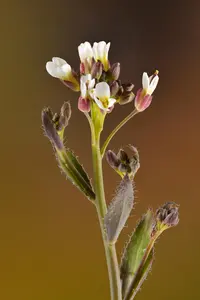
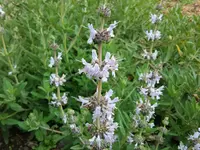
Hairy rockcress, Arabis hirsuta, is a small, upright perennial in the mustard family, often found on dry, rocky slopes and open grasslands. It forms a low rosette of narrow, slightly hairy leaves with slender flowering stems.

The plant carries clusters of small white flowers that give a fine, airy look, followed by narrow seed pods. It is adapted to poor, well-drained soils and tolerates drought once established, which generally makes it a low-maintenance choice.

Gardeners who want to care for hairy rockcress should provide sun, good drainage, and avoid very rich or wet conditions, which tend to reduce its compact habit.

Main Plant Requirements

Care Difficulty

Easy Care

Light Preference

Full Sun

Water Requirements

Low Water

Temperature Preference

Cold Hardy

Hardiness Zone

4–8

Soil Texture

Sandy, Loamy, Rocky

Soil pH

Slightly acidic (6.5–7.0), Neutral (7.0)

Soil Drainage

Well-drained

Fertilization

Minimal (feed rarely)

Get Personalized Care Plan

Scan your plant to receive care tips personalized for your specific plant

Available on iOS and Android

How to Care for the hairy rockcress

Arabis hirsuta prefers open, bright conditions typical of sunny meadows and rocky slopes.

  • Provide 6–8 hours of direct sun daily; morning and midday sun are ideal, with light afternoon shade in hotter regions to reduce stress.
  • Plant in an open site; hairy rockcress tolerates light partial shade, but flowering and compact growth improve in full sun exposure.
  • Watch for pale, elongated stems as a sign of insufficient light, and for scorched, crisped leaves as an indicator of intense, reflected afternoon sun on very hot days.

Arabis hirsuta prefers slightly dry, sharply drained conditions rather than consistently moist soil.

  • Allow the top 3–5 cm of soil to dry between waterings; in typical garden beds this often means waiting until the surface feels dry and the soil below is only faintly damp.
  • Use gritty, fast-draining soil on slopes or raised areas so water runs off quickly and does not pool around the crown, which increases root rot risk.
  • Reduce watering in cool seasons when growth slows; blue-green leaves that wilt and stay limp suggest underwatering, while yellowing lower leaves and soft, blackened crowns indicate overwatering.

This species is a cold-hardy perennial adapted to temperate, open habitats.

  • Best growth occurs in cool to mild conditions around 50–70°F (10–21°C), especially during spring and early summer flowering.
  • Mature plants tolerate winter lows down to about 0°F (−18°C) in well-drained soil, provided crowns are not sitting in waterlogged, freezing ground.
  • In summer, plants handle short periods up to about 85–90°F (29–32°C) if soil is not saturated; prolonged extreme heat with warm nights can reduce vigor and shorten flowering.

Humidity is rarely critical for Arabis hirsuta, which thrives in dry, exposed habitats.

Arabis hirsuta prefers lean, mineral, very free-draining soil that mimics rocky slopes.

  • Use sandy or gritty loam with 30–50% coarse material such as horticultural grit or sharp sand to prevent water retention.
  • Aim for slightly alkaline to neutral pH around 6.5–7.5, avoiding strongly acidic mixes.
  • Incorporate only a small amount of compost or leaf mold, as overly rich, organic-heavy soil encourages weak, floppy growth.
  • Avoid compacted clay or peat-heavy mixes; if drainage is slow, increase grit content to improve aeration around the roots.

This species can be grown in containers if the pot is configured to stay dry and airy around the roots.

  • Choose a shallow, wide pot to suit its fibrous, spreading roots and to keep the gritty mix from staying wet in depth.
  • Select unglazed terracotta to allow moisture to evaporate faster, preventing root problems in wet climates.
  • Raise the container on pot feet or bricks so drainage holes never sit in standing water, which would negate the fast-draining mix.

Arabis hirsuta is adapted to lean soils and usually needs little to no fertilizer in the ground.

Arabis hirsuta benefits from light, targeted pruning to maintain compact growth and flowering performance.

  • Cut back spent flower stems in late spring or early summer with clean hand pruners to encourage denser mounding growth.
  • Remove dead, damaged, or diseased foliage whenever noticed to reduce fungal issues and improve air flow through the clump.
  • Trim back any sprawling or leggy shoots after flowering to keep a tidy outline, avoiding cuts into the woody crown.

This species is usually grown in open ground, so focus on careful transplanting rather than frequent repotting.

  • Transplant in early spring or early fall when temperatures are mild, avoiding heat or deep frost periods to limit stress.
  • Move plants only when growth is slow, clumps are overcrowded, or roots circle a container, as hairy rockcress prefers stability.
  • Lift with a trowel, keeping a firm soil ball around the roots, and set at the same depth in a sharply drained, gritty soil.
  • Water gently after transplanting, then keep soil just moist for 1–2 weeks to help roots re-establish without remaining waterlogged.

Arabis hirsuta plant care often includes propagation by seed, division, or cuttings to expand plantings.

  • Sow ripe seeds in late summer or fall in trays of gritty mix; leave containers outdoors for natural cold stratification over winter.
  • Divide mature clumps in early spring, separating sections with several rosettes and healthy roots, then replant at the same depth.
  • Take short, non-flowering basal cuttings in late spring, insert into free-draining medium, and keep lightly moist in bright, indirect light.

This species is generally cold hardy in much of the US and needs minimal winter attention in the ground.

  • In colder regions, apply a thin gravel or grit mulch around the crown to improve winter drainage and reduce rot risk.
  • Avoid heavy, waterlogged soils in winter, as saturated conditions are more damaging than low temperatures for roots and crowns.
  • For containers in zones with severe freeze–thaw cycles, move pots to a sheltered, unheated spot to limit root freezing and cracking.

Care Tips

Gravel crown mulch

Apply a 1–2 cm layer of coarse grit or small gravel around the crown to keep foliage dry at the base and reduce crown rot in wet seasons.

Encourage dense clumps

After flowering, lightly shear back spent stems by 3–5 cm to stimulate compact new basal growth and maintain a tight, weed-suppressing mat.

Targeted weed control

Hand-weed carefully around the rosette using a narrow trowel or hori-hori knife so taproots of young plants are not disturbed in rocky or thin soils.

Support natural reseeding

Leave a portion of seedheads to mature and drop where gaps exist in the rock garden or slope, then mark promising self-sown seedlings before other maintenance work.

Winter drainage check

Before winter, verify that rock crevices and planting pockets drain freely, adding extra grit or lifting and replanting in higher spots if water lingers longer than a few hours when caring for hairy rockcress.

Common Pests and Diseases

Downy mildew

This disease causes yellow, pale, or angular spots on leaves with a gray-white downy growth on the undersides, especially in cool, humid weather.

Solution

Remove and discard affected leaves to reduce spore spread, avoid overhead watering, and improve air circulation around plants; in persistent wet conditions, apply a copper-based fungicide labeled for ornamental brassicas according to instructions and space plants more widely to dry quickly after rain.

Clubroot

This disease leads to stunted growth, wilting in warm parts of the day, and swollen, distorted roots that fail to take up water and nutrients effectively.

Solution

Remove and dispose of infected plants including as much root as possible, avoid moving contaminated soil, improve drainage, and raise soil pH toward neutral with garden lime; in areas with a known history of clubroot, avoid replanting Arabis hirsuta or other brassicas in the same bed for several years.

Cabbage aphids

These insects cluster in dense gray-green colonies on stems and flower stalks, sucking sap and causing distortion, sticky honeydew, and reduced vigor.

Solution

Spray colonies off with a firm stream of water, then treat remaining infestations with insecticidal soap or a light horticultural oil, coating the insects thoroughly; limiting excess nitrogen fertilization and encouraging natural predators such as lady beetles helps keep populations low when trying to grow Arabis hirsuta.

Flea beetles

These insects chew many tiny round holes in leaves, creating a shot-hole appearance and sometimes severely weakening young rosettes.

Solution

Use floating row covers to protect emerging plants, keep surrounding areas free of heavy weed growth from the mustard family, and apply horticultural neem or a spinosad-based product to foliage if damage is significant; watering consistently and keeping plants vigorous reduces long-term impact.

White rust

This disease produces pale spots on upper leaf surfaces and raised white blister-like pustules on the undersides, often deforming leaves and flower stalks.

Solution

Promptly remove and discard infected leaves, keep foliage as dry as possible by watering at soil level, and provide good spacing and airflow; in sites with repeated issues, avoid overhead irrigation and rotate hairy rockcress away from areas heavily planted with other brassicas to reduce inoculum levels.

Interesting Facts

Dry grassland specialist

Arabis hirsuta is strongly associated with dry, base‑rich grasslands, open calcareous slopes, and rocky outcrops, where it benefits from low competition and high light levels.

Hairy foliage function

The stiff hairs on its stems and leaves reduce water loss and help protect tissues from excess sunlight and herbivory in exposed habitats.

Early-summer nectar source

Its small white flowers open in late spring to early summer and provide nectar and pollen for a range of bees, hoverflies, and small beetles in relatively nutrient-poor grassland communities.

FAQs about hairy rockcress

Lack of flowers often comes from too much shade, rich nitrogen fertilizer, or overcrowded clumps. Ensure strong light, avoid heavy feeding, and trim older stems after flowering seasons so energy goes into bud formation next year.

Grow Healthy Plants with Botan Care

Keep your plants happy and healthy with plant identification, disease detection, and easy care guidance.

Botan plant care app — identify plants on mobile

Explore More Plants