Dendrobium fractiflexum Care

Dendrobium fractiflexum

About Dendrobium fractiflexum

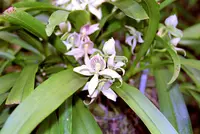
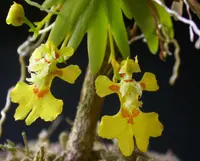
Dendrobium fractiflexum is an epiphytic orchid that usually grows attached to trees, forming slender, upright canes with alternating leaves. It produces delicate, often pale-colored flowers along the stems, giving a light, airy look when in bloom.

This species is native to parts of Southeast Asia, where it grows in warm, humid forests with good air movement. It is considered a species for growers with some orchid experience, mainly because it needs stable warmth, high humidity, and careful watering.

Those conditions influence how to care for Dendrobium fractiflexum, especially indoors where air is drier. It generally prefers bright, filtered light and a very free-draining orchid mix that dries slightly between waterings.

Main Plant Requirements

Care Difficulty

Hard Care

Light Preference

Bright Indirect Light

Water Requirements

Moderate Water

Temperature Preference

Tropical / Frost Sensitive

Hardiness Zone

Unknown

Soil Texture

Sandy, Rocky, Organic-rich

Soil pH

Acidic (5.5–6.5)

Soil Drainage

Well-drained

Fertilization

Moderate (every 2–4 weeks)

Get Personalized Care Plan

Scan your plant to receive care tips personalized for your specific plant

Available on iOS and Android

How to Care for the Dendrobium fractiflexum

This orchid favors bright, filtered light similar to high, open forest canopies.

  • Provide 4–6 hours of bright, indirect light daily; early morning sun and dappled light the rest of the day suit Dendrobium fractiflexum well.
  • Allow light shade at midday; use sheer fabric, shade cloth, or slatted mounts outdoors to prevent leaf scorch and yellow, leathery foliage from excess sun.
  • If new growth is weak, leaves dark green, and flowering is poor, increase light slightly, especially in late winter and early spring.

Watering should follow a wet–dry cycle that reflects its epiphytic roots and airy growing conditions.

  • Water thoroughly, then let the medium dry almost completely; for potted plants, allow the top 2–4 cm to dry and roots to turn silvery before watering again.
  • In active growth and flowering, increase watering frequency, but always maintain sharp drainage and avoid standing water around roots or in saucers.
  • Reduce watering in cooler months when growth slows; watch for wrinkled canes (too dry) or blackened, mushy roots and sour smell (overwatered).

This species prefers intermediate to warm conditions with a gentle temperature drop at night.

  • Aim for daytime temperatures of 70–82°F (21–28°C) and nighttime 60–65°F (16–18°C) during active growth for steady development and flowering.
  • Protect the plant from cold; avoid exposing it below 50°F (10°C), as prolonged chills can damage roots and new shoots, and it is not frost hardy.
  • In hot spells above 86–90°F (30–32°C), increase air movement and humidity and keep it shaded from harsh afternoon sun to prevent heat stress.

This orchid prefers consistently moist air and reacts quickly to very dry conditions.

  • Aim for 60–80% humidity, as typical heated homes often sit far below this range.
  • Crisping root tips, shriveled pseudobulbs, and buds blasting before opening indicate humidity stress.
  • Increase humidity with a pebble tray under the pot, grouped plants, or a small humidifier placed nearby, while maintaining strong air movement.

This epiphytic orchid needs a very open, airy medium rather than conventional potting soil.

  • Use a coarse mix of medium bark, chunky perlite, and a little sphagnum moss to hold light moisture without becoming dense.
  • Aim for fast drainage and high aeration so roots dry slightly between waterings and avoid standing water in the pot or saucer.
  • Target a slightly acidic reaction around pH 5.5–6.5, which suits most orchid bark-based mixes sold for Dendrobium fractiflexum care.
  • Avoid fine peat-based potting composts, compacted mixes, or garden soil, which suffocate roots and quickly lead to rot.

This species is well suited to container culture when the pot supports its upright, cane-like growth.

  • Choose a narrow, heavy pot or cachepot that resists tipping as the tall canes become top-heavy in bloom.
  • Select a pot just large enough for 1–2 years of root expansion, since oversized containers hold excessive moisture around roots.
  • Use slotted or net-style orchid pots to increase side ventilation, which helps the bark mix dry evenly and limits root rot.

Feeding supports steady growth and flowering in Dendrobium fractiflexum grown in containers or nutrient‑poor substrates.

  • Use a balanced orchid fertilizer (for example 20‑20‑20) at 1/4–1/2 strength during active growth.
  • Apply every 2–3 weeks in spring–summer, always on moist roots to reduce burn risk.
  • Rinse the medium with plain water monthly to limit salt buildup.
  • Reduce feeding to once a month or stop entirely in late fall–winter, depending on growth.

Pruning Dendrobium fractiflexum is mainly about hygiene and managing old canes rather than shaping.

  • After flowering, remove only dead, shriveled, or blackened canes with clean, sharp scissors or pruners.
  • Leave firm, green or yellow‑green canes, as they store water and may rebloom or support new growth.
  • Trim spent flower spikes back to the cane, avoiding damage to emerging buds or new shoots.
  • Best timing is late winter to early spring, before strong new growth begins.

Repotting keeps Dendrobium fractiflexum healthy by refreshing the orchid medium and managing crowded roots.

  • Plan to repot every 2–3 years, or when roots circle the pot, grow over the rim, or growth slows.
  • Best time is just after flowering in late winter–spring, when new root tips first appear.
  • Gently remove old medium, keeping roots intact, and trim only dead, mushy, or hollow roots.
  • Place the plant in a slightly larger pot with fresh, free‑draining orchid mix, then keep shaded and slightly drier for 7–10 days to reduce stress.

Multiplying Dendrobium fractiflexum is most practical by division or keikis rather than seed, which requires laboratory conditions.

  • Divide mature plants in late winter–spring, ensuring each division has at least 3–4 healthy canes and active roots.
  • Detach keikis only when they have several roots 3–5 cm long, then pot into fine orchid mix.
  • Maintain high humidity (60–70%) and bright, filtered light to support establishment.
  • Water lightly at first, increasing as new growth and roots develop.

Winter care for Dendrobium fractiflexum focuses on avoiding frost damage and moderating water use.

  • Treat as frost‑tender; keep above 50°F, ideally 55–65°F in winter.
  • Move container plants indoors or into a greenhouse before nights drop below 50°F.
  • Provide bright, indirect light and good air movement to discourage rot in cool conditions.
  • Reduce watering and allow the medium to dry more between waterings, especially if growth slows.

Care Tips

Mounting technique

Mount plants on cork or hardwood slabs with a thin pad of long-fiber sphagnum only around the roots to keep them secure while still allowing rapid drying between waterings.

Airflow management

Place a small oscillating fan nearby on a low setting to keep air moving around the canes, which reduces fungal problems and helps the roots dry at an appropriate rate.

High-light acclimation

Shift plants into brighter light over 2–3 weeks by moving them a little closer to the window or light source every few days, watching leaves for yellowing or burn and adjusting back if needed.

Bloom support

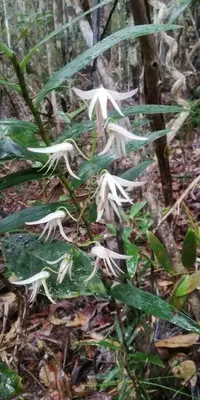
Use thin, unobtrusive stakes or orchid clips to support any zigzagging canes that arch under the weight of buds so the inflorescences are displayed well and less likely to break.

Seasonal rest adjustment

In late autumn, reduce nitrogen-heavy feeding and slightly stretch the interval between waterings to encourage a cooler, drier rest period that supports reliable flowering when caring for Dendrobium fractiflexum.

Common Pests and Diseases

Spider mites

This pest commonly appears on dendrobiums grown in warm, dry indoor air, causing stippling on leaves and fine webbing between pseudobulbs and leaves.

Solution

Increase humidity and improve air movement, then rinse foliage and canes thoroughly with lukewarm water, repeating several times over 1–2 weeks; if populations persist, apply a horticultural oil or insecticidal soap labeled safe for orchids, making sure to coat leaf undersides and tight leaf axils.

Soft scale

These insects attach along canes and leaf midribs, sucking sap and producing sticky honeydew that leads to sooty mold on D. fractiflexum grown under low airflow or crowded conditions.

Solution

Manually remove visible scale with a cotton swab dipped in isopropyl alcohol, then treat all plant surfaces with insecticidal soap or neem oil at 7–10 day intervals, and isolate the plant until no new scale appears.

Mealybugs

This pest hides in leaf axils, sheaths, and around roots in mounted or basket-grown plants, leaving white cottony clusters and causing stunted growth and yellowing leaves.

Solution

Inspect and remove infested sheaths, dab visible clusters with isopropyl alcohol, then use repeated applications of insecticidal soap or systemic insect control suited for orchids, while cleaning benches and supports to prevent reinfestation when caring for Dendrobium fractiflexum.

Bacterial brown spot

This disease causes water-soaked, translucent spots on leaves that quickly turn brown to black, often starting where water stands on the foliage in warm conditions.

Solution

Remove and discard affected leaves or sections with sterile tools, keep water off leaves, improve air circulation, and allow the plant to dry quickly after watering; in early stages, a bactericidal copper-based spray labeled for orchids can be used cautiously, avoiding overuse on tender new growth.

Fusarium wilt

This disease is associated with contaminated potting tools or media and causes progressive leaf yellowing, shriveling canes, and purple to brown discoloration inside the pseudobulb or rhizome when cut open.

Solution

Discard severely affected plants, disinfect cutting tools and pots with a 10% bleach solution, and repot healthy divisions into fresh, well-drained orchid mix; for collections, avoid reuse of old media, ensure good drainage between waterings, and do not share tools untreated between plants.

Interesting Facts

Naturally zigzagging canes

This species is notable for its strongly fractiflex, or sharply zigzagging, pseudobulbs, which give the plant a distinctly kinked, articulated look compared with most other Dendrobium species.

Cloud forest specialist

It is native to cool, moist montane forests of New Guinea, where it often grows as an epiphyte on mossy tree branches exposed to frequent mist and high humidity.

Miniature, pendant habit

Mature plants usually remain quite small, forming delicate, arching to pendant canes that hang down and display the flowers beneath the supporting branch or mount.

FAQs about Dendrobium fractiflexum

Lack of flowering is usually linked to insufficient light, missing cool, drier rest in winter, or overly heavy feeding. Provide bright filtered light, a clear cool-down period, and avoid nitrogen-heavy fertilizer to trigger reliable blooming cycles.

Grow Healthy Plants with Botan Care

Keep your plants happy and healthy with plant identification, disease detection, and easy care guidance.

Botan plant care app — identify plants on mobile

Explore More Plants