Pinch For Bushiness
Pinch out the soft shoot tips when plants are 8–10 cm tall to encourage more branching and a denser, flower-heavy mound rather than a few tall, straggly stems.

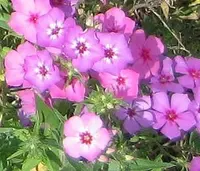
Annual phlox (Phlox drummondii) is a compact, flowering annual known for dense clusters of small, star-shaped blooms in many bright colors. Plants usually grow as low mounds or edging, filling beds, borders, and containers with a soft, carpet-like effect. Native to Texas and nearby regions, it has adapted well to garden use in many temperate areas. This species is generally considered easy to grow from seed, with quick flowering and a long blooming season if conditions are suitable. It prefers full sun, moderate moisture, and well-drained soil. Gardeners who learn how to care for annual phlox often use it to add fast, reliable color to seasonal plantings.

Care Difficulty
Moderate Care

Light Preference
Full Sun

Water Requirements
Moderate Water

Temperature Preference
Tropical / Frost Sensitive

Hardiness Zone
2–11

Soil Texture
Sandy, Loamy, Organic-rich

Soil pH
Acidic (5.5–6.5), Slightly acidic (6.5–7.0)

Soil Drainage
Moist but well-drained

Fertilization
Light (every 4–6 weeks)
Scan your plant to receive care tips personalized for your specific plant
Available on iOS and Android
This annual prefers bright outdoor conditions with consistent direct light for strong flowering.
This species needs even moisture in well-drained soil to support steady flowering.
This plant performs best in mild, stable outdoor temperatures without extremes.
This species grows best in moderate outdoor humidity but tolerates a fairly wide range.
Phlox drummondii prefers loose, well-drained soil that stays evenly moist but not waterlogged.
This species is well suited to container growing outdoors.
Phlox drummondii responds well to modest feeding during its active growing and flowering season.
Phlox drummondii benefits from light, timely pruning to extend bloom and keep plants compact.
As an annual, this phlox is usually transplanted once, then grown for a single season.
This species is most commonly propagated from seed rather than by division or cuttings.
Phlox drummondii is grown as a frost-tender annual and usually does not require elaborate winter care.

Plant Health Check
Not sure what's wrong with your plant? Check your plant's health inside the app.
This species is native to dry prairies and open sites in Texas and neighboring areas, where it naturally grows as a short-lived annual in sandy or rocky soils.
Although originally from the southern United States, it has naturalized in several regions with mild climates, escaping from gardens into roadsides, disturbed ground, and coastal areas.
Garden forms show an unusually broad palette for one annual species, including white, pink, red, purple, and bicolors, all derived from selection within its natural genetic variation.

Wild populations of this species provided classic study material for evolutionary biologists investigating how flower color and pattern evolve under the combined influence of pollinators and environmental conditions, helping to link visible traits to underlying genetics in natural plant populations.
Lack of flowers usually comes from too much shade, excess nitrogen fertilizer, or stress from drought, root disturbance, or disease. Deadhead spent blooms, avoid high-nitrogen feeds, and keep moisture even to support flowering when growing annual phlox.
Keep your plants happy and healthy with plant identification, disease detection, and easy care guidance.