Mounting vs. Potting
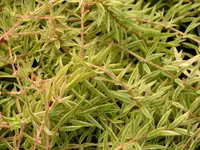
Use a slatted basket or mount on cork with sphagnum if you can maintain very high humidity and frequent watering, otherwise choose a small, well-drained pot to keep roots evenly moist without staying soggy.

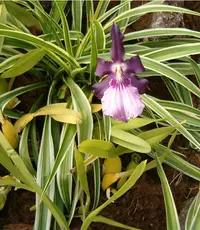
Miltonia moreliana is an epiphytic orchid, usually growing on trees rather than in soil, valued for its large, flat flowers with rich purple and white patterns. Pseudobulbs and narrow, strap-like leaves form a compact clump, making it suitable for indoor collections and small greenhouse spaces.
This species occurs naturally in southeastern Brazil, where it experiences warm, humid forest conditions with good air movement. It is considered moderately demanding, as it needs stable warmth, consistent moisture around the roots, and protection from harsh, direct sun.
Those who want to care for Miltonia moreliana should focus on bright, filtered light, evenly moist but airy orchid media, and steady humidity to keep it healthy over the long term.

Care Difficulty
Hard Care

Light Preference
Bright Indirect Light

Water Requirements
Keep Soil Moist

Temperature Preference
Tropical / Frost Sensitive

Hardiness Zone
Unknown

Soil Texture
Peaty, Organic-rich, Loamy

Soil pH
Acidic (5.5–6.5)

Soil Drainage
Moist but well-drained

Fertilization
Moderate (every 2–4 weeks)
Scan your plant to receive care tips personalized for your specific plant
Available on iOS and Android
Provide bright but gentle light to mimic this orchid’s forest-edge habitat.
Maintain evenly moist but never waterlogged conditions around the roots.
Provide intermediate temperatures with a clear but gentle difference between day and night.
This orchid needs consistently moist air to avoid leaf and bud stress.
This orchid requires a very airy, fast-draining, organic medium rather than dense mineral soil.
This species grows very well in containers when moisture and airflow around the roots are balanced.
This orchid benefits from light, consistent feeding during active growth for steady flowering and healthy pseudobulbs.
Pruning focuses on hygiene and directing energy to new growth rather than reshaping this orchid.
Repotting maintains aeration around the roots and prevents breakdown of the orchid mix.
Propagation is usually done by division, timed with repotting, to maintain plant vigor and flower quality.
Cool-season care focuses on avoiding cold damage and maintaining stable indoor conditions.

Plant Health Check
Not sure what's wrong with your plant? Check your plant's health inside the app.
Its large purple flowers produce a sweet, complex fragrance that becomes more noticeable in the late afternoon and evening, which likely helps attract crepuscular pollinators in its native habitats.
In nature, this species often grows as an epiphyte or lithophyte on rocky outcrops and cliff faces in eastern Brazil, tolerating brighter light and more exposure than many related orchids.
The flowers develop a deep violet to purple lip and sepals that appear almost velvety, a coloration that is relatively uncommon among closely related Miltonia species and hybrids.

Miltonia moreliana has been an important parent in orchid breeding, valued for passing on its large flower size, intense purple lip coloration, and strong fragrance to many modern Miltonia and Miltoniopsis hybrids.
Lack of blooms often comes from insufficient daily temperature drop, low light, or depleted nutrients. Provide a 10–15°F night drop, stable moderate light, and regular balanced orchid fertilizer to support flower spike initiation and development.
Keep your plants happy and healthy with plant identification, disease detection, and easy care guidance.