Control Spreading Edges
Install a shallow root barrier or regularly slice a spade straight down along the bed edge 5–10 cm deep to prevent this vigorous groundcover from invading lawns or nearby planting areas.

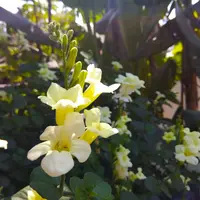
Chinese violet, Asystasia gangetica, is a fast-growing, low, spreading perennial often used as a groundcover in warm and tropical climates. It forms a dense mat of dark green foliage with soft stems and produces many trumpet-shaped flowers in shades of pale lavender to purple.
The plant is native to tropical regions of Africa and Asia and can spread vigorously in suitable conditions. It is valued in landscapes for quick coverage and a long flowering season.
Chinese violet prefers warm temperatures, regular moisture, and well-drained soil, and it tolerates light shade. These traits make it relatively easy to grow, but regular trimming helps manage its spread and care for Chinese violet effectively.

Care Difficulty
Easy Care

Light Preference
Partial Sun

Water Requirements
Regular Water

Temperature Preference
Tropical / Frost Sensitive

Hardiness Zone
10–12

Soil Texture
Sandy, Loamy, Organic-rich

Soil pH
Acidic (5.5–6.5), Slightly acidic (6.5–7.0)

Soil Drainage
Moist but well-drained

Fertilization
Light (every 4–6 weeks)
Scan your plant to receive care tips personalized for your specific plant
Available on iOS and Android
Asystasia gangetica prefers bright, indirect light and mild direct sun in many warm climates.
Asystasia gangetica prefers evenly moist, not saturated, soil once established in the landscape.
This species thrives in warm, frost-free conditions and slows or declines in cool or freezing weather.
This species handles a wide humidity range but grows best with moderately moist air.
Asystasia gangetica prefers light, well-aerated soil that drains quickly yet retains some moisture.
This trailing species adapts well to container growing outdoors on patios, balconies, or as a groundcover in large pots.
Asystasia gangetica responds well to light, consistent feeding during its active growing season.
Pruning Asystasia gangetica keeps the plant compact, encourages branching, and supports repeat flowering.
This vigorous groundcover is more often transplanted in beds than repotted, but container plants still benefit from occasional size upgrades.
Asystasia gangetica is commonly multiplied from vegetative material, which maintains identical flower and foliage traits.
This tropical species is frost-tender and needs protection in regions with cold winters.

Plant Health Check
Not sure what's wrong with your plant? Check your plant's health inside the app.
This species naturally occurs in both a trailing form with long, creeping stems and an erect, shrubby form, and these two forms are treated as subspecies by some botanists based on stem habit and leaf shape differences.
Its stems root readily at the nodes when they touch soil, allowing it to form dense, carpet-like mats that can suppress other low vegetation and stabilize exposed ground in warm climates.
The tubular, pale purple flowers are shaped for pollination mainly by long-tongued insects such as bees and butterflies, which contact the anthers and stigma while reaching into the corolla for nectar.

In several tropical regions outside its native African range, this species is listed as an environmental weed because its vigorous, rooting stems and fast growth enable it to spread from gardens into natural areas, where it can outcompete native understory plants.
This species is a fast, trailing ground cover that roots where stems touch soil. In warm, frost-free climates it can spread aggressively and form dense mats, so edging, regular trimming, and removal of unwanted runners are often necessary.
Keep your plants happy and healthy with plant identification, disease detection, and easy care guidance.