Pinch For Bushiness
Pinch back soft shoot tips in late spring to early summer to encourage a denser, more branched plant that flowers more heavily instead of growing tall and sparse.

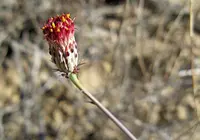
San Felipe dogweed, Adenophyllum porophylloides, is a small, aromatic subshrub from arid regions of the southwestern United States and northern Mexico. It belongs to the daisy family and has finely divided, threadlike leaves.
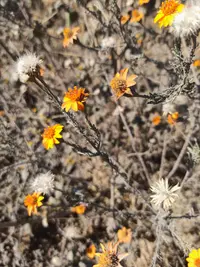
Plants form loose, open clumps with slender, often wiry stems and small yellow flower heads held on long stalks. The foliage has visible resinous glands that give the plant a distinctive scent.
This species is adapted to hot, dry, sunny habitats with rocky or sandy soils and very good drainage. These xeric traits make it relatively low-maintenance once established, as long as the site is bright and not overwatered, which is central to how to care for San Felipe dogweed.

Care Difficulty
Easy Care

Light Preference
Full Sun

Water Requirements
Low Water

Temperature Preference
Warm Climate

Hardiness Zone
9–11

Soil Texture
Sandy, Rocky, Loamy

Soil pH
Slightly alkaline (7.0–7.5), Alkaline (7.5–8.5)

Soil Drainage
Well-drained

Fertilization
Minimal (feed rarely)
Scan your plant to receive care tips personalized for your specific plant
Available on iOS and Android
This desert perennial thrives in strong sun but benefits from some protection at the hottest times of day.
This species is highly drought tolerant and prefers dry, fast-draining conditions.
This plant is adapted to hot, dry climates with cool to mild winters.
This desert species tolerates very low humidity and usually needs no special humidity control.
This species performs best in very fast-draining, mineral soils that mimic desert conditions.
This plant can be grown in containers if the pot and substrate are adapted to its desert-style drainage needs.
This desert native, often called San Felipe dogweed, needs very light fertilization in cultivation, especially in poor, sandy soils.
Pruning Adenophyllum porophylloides is mainly for tidiness and to maintain a compact, flowering form.
This species is usually grown in the ground; focus on careful transplanting rather than frequent repotting.
Propagation of Adenophyllum porophylloides is most reliable from seed under warm, bright, and dry-leaning conditions.
Mature plants are fairly cold hardy in arid climates and usually require minimal winter care.

Plant Health Check
Not sure what's wrong with your plant? Check your plant's health inside the app.
The leaves and stems have visible resin glands that exude aromatic compounds, giving the plant a strong, pungent scent especially noticeable in hot weather.
This species is a small desert shrub in the aster family that produces bright yellow, daisy-like flower heads primarily in the hot months, providing nectar when few other desert plants are blooming.
It is native to arid regions of the Sonoran Desert in the southwestern United States and northwestern Mexico, where it grows on rocky, well-drained slopes and desert washes exposed to intense sun and heat.
Poor flowering usually comes from nutrient-rich or overly moist conditions, excessive shade, or very young plants. This desert annual flowers best in lean, well-drained soil with full sun and minimal supplemental water once established.
Keep your plants happy and healthy with plant identification, disease detection, and easy care guidance.