slenderleaf monkshood Care (Aconitum barbatum)

slenderleaf monkshood

About slenderleaf monkshood

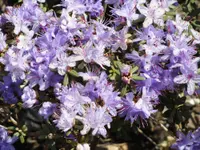
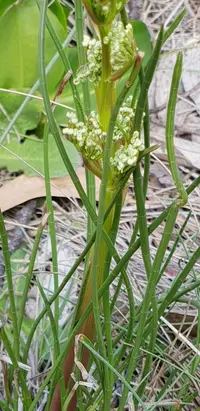
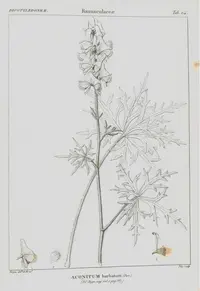
Slenderleaf monkshood, Aconitum barbatum, is a herbaceous perennial known for its tall, upright stems and narrow, deeply divided leaves. It produces hooded flowers that resemble small helmets, typically in cool blue to violet tones.

This species is native to parts of temperate Eurasia, where it grows in mountain meadows, forest edges, and moist grasslands. It prefers cool conditions, evenly moist but well-drained soil, and light ranging from partial shade to gentle sun.

Gardeners who care for slenderleaf monkshood should note that it can be demanding in hot or very dry climates and does best in stable, not extreme, conditions.

Main Plant Requirements

Care Difficulty

Moderate Care

Light Preference

Partial Shade

Water Requirements

Keep Soil Moist

Temperature Preference

Cold Hardy

Hardiness Zone

3–7

Soil Texture

Loamy, Silty, Organic-rich

Soil pH

Acidic (5.5–6.5), Slightly acidic (6.5–7.0)

Soil Drainage

Moist but well-drained

Fertilization

Minimal (feed rarely)

Get Personalized Care Plan

Scan your plant to receive care tips personalized for your specific plant

Available on iOS and Android

How to Care for the slenderleaf monkshood

Aconitum barbatum prefers cool, bright conditions with protection from intense midday sun.

  • Provide 3–5 hours of gentle morning sun with light or dappled shade in the afternoon, similar to an open woodland edge.
  • Tolerates partial shade, but in deep shade stems become weak and flowering of slenderleaf monkshood declines; choose a site with at least bright indirect light for most of the day.
  • In hot summers, shield plants from strong sun between 11 a.m. and 4 p.m. to prevent leaf scorch, especially in zones warmer than USDA 6.

Aconitum barbatum prefers consistently moist, cool soil without staying waterlogged.

  • Water when the top 2–3 cm of soil feel barely moist, aiming for evenly damp soil around the root zone rather than wet or soggy conditions.
  • Increase watering during active growth and flowering in spring–summer, especially in sandy or fast-draining soils that dry out quickly.
  • Reduce watering frequency in late fall and winter, watching for signs of stress such as wilting (too dry) or yellowing, limp foliage (too wet).

This species is a cool-climate perennial that handles cold much better than heat.

  • Supports strong growth in 55–70°F (13–21°C), with cooler nights helping maintain sturdy stems and long-lasting flowers.
  • Survives winter cold down to about -20°F (-29°C) when well mulched, dying back to the roots and resprouting in spring.
  • Struggles in prolonged heat above 85°F (29°C); provide shade, mulch, and consistent moisture during hot spells to protect roots from overheating and stress.

This species prefers outdoor humidity around 40–60% and usually does not need special adjustment in temperate gardens.

  • Tolerates slightly drier air if soil moisture is consistent, but avoid prolonged hot, desiccating winds.
  • Leaves may brown at edges or curl if air is very dry combined with drought stress.
  • In exceptionally dry climates, cluster plants near other perennials or a water feature to slightly raise local humidity around slenderleaf monkshood.

Aconitum barbatum grows best in consistently moist, well-drained, fertile ground.

  • Use a deep, loamy soil with plenty of organic matter to hold moisture yet stay aerated.
  • Ensure drainage by avoiding compacted clay; incorporate coarse sand or fine gravel if water lingers after rain.
  • Aim for slightly acidic to neutral pH, around 6.0–7.0, which supports nutrient availability and root function.
  • Mix in compost or well-rotted leaf mold through the top 20–30 cm to improve structure, moisture retention, and microbial activity.

This species can be grown in containers outdoors with careful attention to moisture and root space.

  • Choose a tall, heavy pot to support the relatively tall stems and prevent tipping in wind.
  • Fill the container with a moisture-retentive but free-draining mix, such as 2 parts peat-free compost to 1 part fine bark or grit.
  • Elevate the container slightly on feet or bricks so drainage holes stay clear and water cannot pool under the base.

Aconitum barbatum benefits from light, focused feeding rather than heavy fertilization.

  • Apply a balanced, slow-release fertilizer (for example 10-10-10) in early spring as new growth starts.
  • Supplement with a thin layer of compost around the root zone once per growing season for slenderleaf monkshood.
  • Use fertilizer at 1/2 strength if applying liquid feed to avoid soft, weak growth.
  • Stop feeding in late summer and do not fertilize during fall and winter dormancy.

Pruning Aconitum barbatum is mainly done to maintain health, tidy appearance, and support flowering.

  • In late winter or early spring, remove dead, damaged, or weak stems with clean, sharp pruners.
  • After flowering, cut back spent flower spikes to encourage a neater clump and sometimes light rebloom.
  • Thin out crowded stems at the base to improve airflow and reduce disease risk.
  • Cut all top growth down to near ground level after frost-blackened foliage in late fall, if desired.

This species is usually grown in beds or borders, so care focuses on careful transplanting rather than frequent repotting.

  • Transplant in early spring or early fall when temperatures are mild and soil is workable.
  • Look for signs such as slow growth, clumps crowding nearby plants, or roots circling inside a pot if container-grown.
  • Lift the clump gently, keeping as much soil around the roots as possible to limit transplant shock.
  • Replant at the same depth in well-drained soil, water thoroughly, and shade lightly for 3–5 days to reduce stress.

Propagation of Aconitum barbatum is possible but should be done thoughtfully because all parts of the plant are toxic.

  • Divide mature clumps in early spring or early fall, separating sections with several buds and healthy roots.
  • Sow fresh seeds in fall outdoors or use cold stratification, which is a chilling period, to improve germination.
  • Plant divisions or seedlings in moist, well-drained soil and partial shade for best establishment.
  • Use gloves and wash tools and hands thoroughly after handling roots or stems.

This hardy perennial generally tolerates typical temperate winters with minimal intervention.

  • Once frosts arrive, allow top growth to die back naturally, then cut stems to near ground level if desired.
  • Apply a 5–8 cm layer of mulch over the root zone in colder regions to moderate soil temperature.
  • Container-grown plants in very cold climates can be moved into an unheated garage or sheltered spot to prevent root freeze.

Care Tips

Sturdy plant support

Install discreet stakes or a low ring support early in the season so the tall, top-heavy stems harden around it and are less likely to lodge or snap in wind or heavy rain.

Safe handling routine

Always handle the plant with nitrile or latex gloves, avoid touching your face, and wash tools and hands after work, as all parts are poisonous and sap can irritate skin.

Targeted deadheading

Remove only spent flowering spikes back to a strong side bud to prolong bloom and prevent unwanted self-seeding while still allowing the plant to photosynthesize efficiently.

Root zone mulching

Apply a 5–7 cm layer of shredded bark or leaf mold around, but not against, the stems to keep roots cool, suppress weeds, and maintain more even soil moisture during summer heat.

Seasonal division timing

Lift and divide overcrowded clumps in early spring while shoots are still short, replanting promptly at the same depth to rejuvenate growth and maintain flowering quality when growing slenderleaf monkshood.

Common Pests and Diseases

Powdery mildew

This disease causes white, powdery fungal growth on leaves, stems, and flower stalks, often in warm days and cool, humid nights. Symptoms include distorted foliage and reduced flowering if the infection is heavy.

Solution

Improve air circulation around plants, avoid overhead watering, and thin overcrowded clumps. Remove and discard heavily infected leaves, then apply a sulfur or potassium bicarbonate fungicide labeled for ornamentals at the first signs of infection, repeating as directed during high-risk weather.

Downy mildew

This disease produces yellow or pale patches on the upper leaf surface with gray to purplish fuzz on the undersides, especially in cool, damp conditions. Symptoms include leaf drop and general weakening of the plant if moisture remains on foliage for long periods.

Solution

Water early in the day and at soil level so foliage dries quickly, and space plants to increase airflow. Remove and destroy affected leaves, avoid overhead irrigation during cool, humid weather, and use a phosphonate or copper-based fungicide labeled for downy mildew if the problem recurs regularly.

Leaf spots

This disease complex causes brown, tan, or purple spotting on leaves that may merge into larger lesions, often starting on lower, denser growth. Symptoms include premature yellowing and drop of older foliage, especially in wet summers or crowded plantings.

Solution

Promptly remove and discard spotted leaves and any fallen debris to reduce fungal spore levels. Improve spacing and airflow, water at the base, and if needed use a chlorothalonil or copper fungicide during prolonged wet periods, following label directions and rotating products to reduce resistance risk.

Aphids

These insects feed on young shoots and buds, sucking sap and excreting sticky honeydew that can lead to sooty mold. This pest can cause curling or distortion of new growth and reduce flower quality on tall spikes.

Solution

Dislodge aphids with a strong stream of water, focusing on shoot tips and the undersides of leaves, and encourage natural predators such as lady beetles by avoiding broad-spectrum insecticides. For persistent infestations, use insecticidal soap or a light horticultural oil, coating all plant surfaces and repeating as needed.

Slugs and snails

These pests chew irregular holes in leaves and young stems, often leaving slime trails on or around the plant. Symptoms include shredded lower foliage, especially in dense, moist plantings and shaded beds.

Solution

Hand-pick slugs and snails in the evening or early morning and reduce hiding places such as dense mulch and debris around the crowns. Use iron phosphate bait around, but not on, the plants and maintain slightly drier surface soil, taking care not to let the root zone dry out completely.

Interesting Facts

Distinctive bearded helmet

This species has hooded, helmet-like flowers with long, beard-like hairs on the upper sepal and petals, a feature that helps distinguish it from many other monkshoods and influences how pollinators access nectar.

Siberian steppe native

It is naturally distributed across Siberia and parts of northern Asia, where it grows in forest edges, mountain meadows, and steppe habitats adapted to cold winters and relatively short growing seasons.

Highly toxic alkaloids

The plant contains aconitine-type alkaloids in all parts, especially in the roots and tubers, making it strongly poisonous to humans and animals if ingested or if sap contacts broken skin.

Botan icon

Did you know?

In parts of its native range, herbarium and floristic studies use the distinctive hairiness and flower shape of this species as a key diagnostic character to separate it from closely related aconites that are otherwise difficult to tell apart in the field.

FAQs about slenderleaf monkshood

All parts of this species are highly toxic to humans, cats, dogs, and livestock if eaten, and sap can irritate skin. Always handle with gloves, avoid ingestion, and keep children and animals away from planting areas.

Grow Healthy Plants with Botan Care

Keep your plants happy and healthy with plant identification, disease detection, and easy care guidance.

Botan plant care app — identify plants on mobile

Explore More Plants