white vervain Care (Verbena urticifolia)

Also known as: nettle-leaved vervain
white vervain

About white vervain

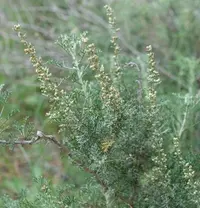
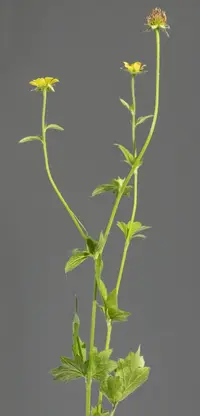
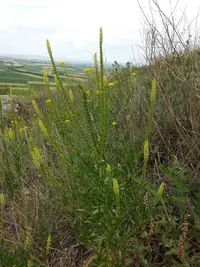
White vervain (Verbena urticifolia) is a native North American wildflower and short-lived perennial often found in meadows, open woods, and along roadsides. It forms upright, slender stems with narrow, toothed leaves and loose spikes of small white flowers. The airy flowers attract bees and other pollinators, giving the plant ecological value in naturalistic gardens. It usually grows in disturbed or moderately moist sites, which hints at its adaptability. In garden settings it prefers sun to light shade, moderate moisture, and well-drained soil. These traits make it relatively undemanding once established, and basic attention to how to care for white vervain is usually enough to keep it healthy.

Main Plant Requirements

Care Difficulty

Easy Care

Light Preference

Full Sun

Water Requirements

Moderate Water

Temperature Preference

Cold Hardy

Hardiness Zone

3–8

Soil Texture

Sandy, Loamy, Silty

Soil pH

Acidic (5.5–6.5), Slightly acidic (6.5–7.0)

Soil Drainage

Well-drained

Fertilization

Minimal (feed rarely)

Get Personalized Care Plan

Scan your plant to receive care tips personalized for your specific plant

Available on iOS and Android

How to Care for the white vervain

This North American native verbena thrives in bright outdoor conditions with several hours of direct sun.

  • Provide 4–6 hours of direct sun daily, ideally morning or early afternoon, with light shade during the hottest midafternoon hours.
  • White vervain also grows in bright open shade or dappled woodland light, but flowering may be lighter in areas with less than 4 hours of sun.
  • Avoid deep shade, which causes weak, leggy stems, and watch for leaf scorch in very exposed, dry, south-facing sites during heat waves.

Verbena urticifolia prefers consistently moist but not saturated soil, especially during active growth.

  • Water when the top 3–5 cm of soil feels dry, allowing deeper soil to stay slightly moist rather than fully drying out.
  • In spring and early summer, monitor closely during hot, windy periods; reduce watering in cool, rainy weather to avoid soggy soil and root problems.
  • Signs of underwatering include wilting and dry, crisp leaf edges; yellowing, soft stems or a sour soil smell point to overwatering or poor drainage.

This hardy perennial tolerates a wide temperature range typical of temperate climates.

  • Optimal growth occurs around 65–80°F (18–27°C), especially during late spring and early summer when soil is evenly moist.
  • The plant survives winter cold down to about -20°F (-29°C) in-ground, becoming dormant as temperatures drop below 40°F (4°C).
  • Mature plants handle summer heat up to about 90–95°F (32–35°C) if soil moisture is maintained, but extended extremes may reduce flowering and stress the foliage.

Humidity is not a critical factor for Verbena urticifolia, which adapts well to typical outdoor air conditions.

Verbena urticifolia prefers lean, well-drained soils that do not stay wet after rain or watering.

  • Use a sandy or sandy-loam texture with 20–30% coarse sand or fine gravel to keep pores open.
  • In containers, combine 50–60% all-purpose potting mix with 30–40% coarse sand and 10–20% compost for structure and nutrients.
  • Aim for slightly acidic to neutral pH, around 6.0–7.2, and avoid salty or heavily fertilized substrates.
  • Improve drainage and aeration by raising beds, loosening compacted layers, and never planting in low spots where water collects.

This species can be grown in containers if the pot and medium prevent persistent wetness around the roots.

  • Choose a deep, relatively narrow pot to support the taproot and reduce wobbling in wind-exposed sites.
  • Select a heavier material such as ceramic or thick-walled clay to stabilize tall stems and limit rapid tipping.
  • Elevate the container on pot feet or bricks so drainage holes clear the ground and water exits quickly after rain or irrigation.

This native perennial usually needs minimal feeding, especially in fertile or naturalized soils.

  • For garden-grown white vervain, a light top-dressing of compost in early spring is usually sufficient.
  • If growth is weak on poor soils, apply a balanced NPK fertilizer at half strength once in late spring.
  • Avoid frequent or heavy feeding, which encourages lush, floppy growth and may reduce drought tolerance.
  • Do not fertilize in late fall or winter, as the plant is entering or in dormancy.

Pruning Verbena urticifolia is simple and helps maintain a tidy shape and steady flowering.

  • Cut back spent flowering stems in mid to late summer to encourage some rebloom and reduce self-seeding.
  • Remove dead, broken, or diseased stems at ground level whenever noticed, using clean hand pruners.
  • Thin crowded stems in early spring to improve air circulation and reduce foliar disease risk.
  • Lightly shape tall, leaning plants by shortening the longest stems, avoiding removal of more than 1/3 of growth.

This species is most often grown in the ground, so focus on careful transplanting rather than frequent repotting.

  • Transplant in early spring or early fall when temperatures are mild and soil is evenly moist.
  • Move plants that show poor performance from deep shade or very dry spots into well-drained, slightly moist soil.
  • Lift with a generous root ball, disturb roots as little as possible, and replant at the same depth, then water thoroughly.
  • Container plants rarely need larger pots; repot only if roots circle the pot or water drains almost instantly.

Propagation of Verbena urticifolia is usually done from seed, with some potential for division in established clumps.

  • Collect ripe seeds in late summer to early fall and store cool and dry until sowing.
  • Sow seeds in fall outdoors or provide a cold stratification period of 4–6 weeks before spring sowing.
  • Use a well-drained seed mix, keep substrate just moist, and provide bright light for germination.
  • Divide mature clumps in early spring, keeping several shoots and healthy roots in each division, then water well.

This hardy perennial typically needs little winter care in most temperate climates.

  • Plants tolerate normal frost and freezing in USDA zones where they are native, so special insulation is usually unnecessary.
  • Apply a thin 2–5 cm mulch of leaves or compost after the ground cools to stabilize soil moisture and temperature.
  • In very cold or exposed sites, leave standing stems over winter to catch snow and trim back in early spring.

Care Tips

Staggered Cutback

In late spring, pinch or lightly cut back the tallest stems by 5–10 cm to encourage a denser habit and reduce lodging while still allowing the plant to flower normally later in the season.

Targeted Stem Support

In windy or exposed sites, place low, discreet ring stakes or short twigs around young clumps so the tall, flexible stems lean on them and are less likely to flop or snap during summer storms.

Self-Seed Management

If you want controlled colonies, mark the strongest plants and allow only those to set seed, while deadheading the rest before seed ripens to prevent unwanted spread and maintain high-quality stands.

Root-Zone Protection

In naturalized plantings or along paths, place stepping stones or a narrow mulch strip where people walk so the root zone is shielded from compaction, which helps stems stay vigorous and upright.

Field Monitoring Routine

When caring for white vervain in meadow or restoration settings, schedule quick checks every 2–3 weeks during the growing season to remove aggressive weeds, note insect or disease issues early, and adjust support or thinning as needed.

Common Pests and Diseases

Powdery mildew

This disease causes a white, powdery coating on leaves and stems, often appearing in late summer when conditions are warm and dry but with high humidity around the foliage.

Solution

Improve air circulation by thinning nearby vegetation, avoid overhead watering, and remove heavily infected leaves to reduce spore spread; if needed, use a sulfur or potassium bicarbonate fungicide labeled for ornamentals, following directions carefully.

Leaf spot

This disease produces small brown to black spots on leaves that may merge, leading to yellowing and early leaf drop, especially in dense, moist stands of plants.

Solution

Remove and dispose of affected leaves, avoid wetting the foliage when watering, and space plants to increase airflow; in persistent cases, apply a copper-based fungicide at the first signs of spotting during humid periods.

Aphids

These insects cluster on young stems and leaf undersides, sucking sap and causing distorted growth and sticky honeydew that can attract sooty mold.

Solution

Wash colonies off with a firm stream of water, encourage natural predators like lady beetles by avoiding broad-spectrum insecticides, and, if needed, use insecticidal soap or a horticultural oil spray, coating the undersides of leaves thoroughly.

Verbena leafminer

This pest creates winding, pale tunnels inside the leaves where larvae feed on internal tissues, which can lead to browning and early leaf drop on stressed plants.

Solution

Hand-remove and destroy mined leaves to interrupt the life cycle, keep plants vigorous with appropriate sun and moisture, and, if damage is high, use a spinosad-based product targeted to leafminers, applied according to label directions.

Spider mites

These pests are tiny sap-feeding arachnids that cause fine stippling, bronzing, and eventual leaf drop, often accompanied by delicate webbing during hot, dry periods.

Solution

Rinse foliage thoroughly with water to knock mites off, increase humidity around the plants if possible, and use insecticidal soap or horticultural oil directed at the leaf undersides for several repeated treatments to cover new hatchlings while growing white vervain outdoors.

Interesting Facts

Native woodland specialist

This species is naturally found in open woods, forest edges, and shaded thickets across eastern North America, showing a clear preference for partial shade and relatively moist, well-drained soils compared with many sun-loving vervains.

Distinctive stinging-like leaves

The species name urticifolia means nettle-leaved, referring to its serrated, somewhat rough leaves that superficially resemble those of stinging nettles, although the plant itself does not sting.

Slender flowering spikes

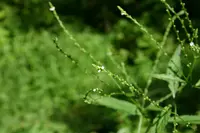
It produces tall, wiry stems topped with very thin, elongated spikes bearing small white flowers that open gradually from the base upward, a pattern that extends the overall blooming period for pollinators.

FAQs about white vervain

This species spreads moderately by seed but is not typically aggressive in managed gardens. In open, disturbed areas it can self-seed freely, so remove spent flower spikes before seed set if containment is important.

Grow Healthy Plants with Botan Care

Keep your plants happy and healthy with plant identification, disease detection, and easy care guidance.

Botan plant care app — identify plants on mobile

Explore More Plants