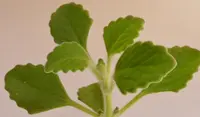
weld Care (Reseda luteola)

Also known as: dyer's rocket, dyer's weed, woold, yellow weed, Wild mignonette, Dyer's Mignonette
weld

About weld

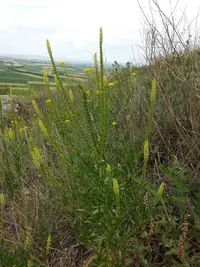
Weld, Reseda luteola, is an upright annual or short-lived perennial herb known historically as a yellow dye plant. It forms slender, branching stems with narrow leaves and dense spikes of small greenish-yellow flowers.

This species is native to Europe, North Africa, and western Asia, but has naturalized in many temperate regions, including parts of North America. It prefers full sun, well-drained soil, and relatively lean conditions, which makes it adaptable and generally easy to grow from seed.

For gardeners who want to care for weld, its main needs are open light, moderate moisture, and avoidance of heavy, waterlogged soils.

Main Plant Requirements

Care Difficulty

Easy Care

Light Preference

Full Sun

Water Requirements

Moderate Water

Temperature Preference

Warm Climate

Hardiness Zone

4–9

Soil Texture

Sandy, Loamy

Soil pH

Slightly acidic (6.5–7.0), Neutral (7.0)

Soil Drainage

Well-drained

Fertilization

Minimal (feed rarely)

Get Personalized Care Plan

Scan your plant to receive care tips personalized for your specific plant

Available on iOS and Android

How to Care for the weld

Reseda luteola grows best in bright, open sites with plenty of direct sun.

  • Provide 6–8 hours of direct sun daily; full sun promotes strong growth and better flowering for weld.
  • Allow light afternoon shade in very hot, dry climates to reduce leaf scorch, especially on sandy or shallow soils.
  • In cooler seasons or cloudy regions, prioritize maximum sun exposure and avoid planting where nearby trees or structures will cast dense shade.

Reseda luteola prefers evenly moist, free-draining soil that is never waterlogged.

  • Water when the top 3–5 cm of soil feels dry, applying enough to moisten the root zone but not leave standing water.
  • During hot, dry summer spells, increase frequency, watching for drooping leaves or slowed growth as signs the soil is staying too dry.
  • Reduce watering in cool or rainy periods; yellowing, limp foliage and a sour soil smell indicate overwatering or poor drainage.

This species prefers mild conditions and tolerates a reasonable range of outdoor temperatures.

  • Aim for active growth in 55–75°F (13–24°C), which supports steady flowering and root development.
  • Plants tolerate brief light frosts down to about 25°F (-4°C), but repeated or hard freezes below this can kill top growth or entire plants.
  • In hot spells above 90°F (32°C), growth may slow; provide mulch and avoid heat-reflecting walls that raise root-zone temperatures.

Humidity is rarely critical for weld, which adapts well to typical outdoor air in temperate climates.

Reseda luteola prefers light, well-drained soil that does not stay wet after rain or watering.

  • Use a sandy or sandy-loam soil with moderate organic matter so water passes through easily but roots still anchor well.
  • Aim for slightly alkaline to neutral pH, around 7.0–8.0, which supports strong growth and flowering.
  • In containers or poor native soil, mix garden soil with coarse sand and a small amount of compost to improve structure and drainage.
  • Avoid heavy clay, compacted sites, or spots where water pools, since prolonged saturation promotes root problems.

This species is suitable for container growing outdoors if drainage and stability are well managed.

  • Choose a pot at least 25–30 cm deep to allow the taproot to develop without curling tightly at the base.
  • Use a heavier material such as terracotta or ceramic to keep tall flowering stems stable in wind.
  • Raise the pot on feet or bricks so drainage holes stay clear and runoff can escape quickly after heavy watering or rain.

This dye plant grows reasonably well in average soil but responds to light feeding in poor or heavily used ground when caring for weld.

  • Use a balanced NPK granular fertilizer or compost worked into the top 2–3 in of soil at the start of spring growth.
  • Feed every 4–6 weeks during the main growing season if soil is very lean, skipping doses on fertile beds.
  • Apply at half the label strength to avoid lush, weak growth that can flop or attract pests.
  • Stop feeding in late summer and avoid fertilization in winter or when plants have finished their life cycle.

Reseda luteola needs only light pruning to keep plants tidy and encourage flowering.

  • In late winter or early spring, remove dead, damaged, or winter-burned stems with clean, sharp snips.
  • Through the flowering season, deadhead spent flower spikes to prolong bloom and reduce unwanted self-seeding.
  • Thin crowded, weak shoots at the base to keep airflow good and the plant more upright.
  • Cut back leggy growth by up to one-third to maintain a compact, manageable shape.

This species is usually grown as an annual or short-lived outdoor plant, so focus on careful transplanting rather than frequent repotting.

  • Sow in trays or small pots, then transplant seedlings outdoors once frost risk has passed and roots lightly fill the plug.
  • Transplant in spring into loose, well-drained soil, disturbing the root ball as little as possible to limit shock.
  • Water well before and after moving plants, then keep soil evenly moist for 7–10 days to support re-establishment.
  • Container plants that show roots circling, poor drainage, or slowed growth can be shifted up 1 pot size in early spring.

Reseda luteola is most often propagated from seed, which gives reliable numbers of plants for dye or ornamental use.

  • Sow seeds in early to mid-spring under cover or directly outdoors after frost risk has passed.
  • Press seeds onto the surface or cover very lightly, as they germinate best with some light and consistent moisture.
  • Maintain 60–70°F, moderate light, and gently moist, not waterlogged, substrate until germination in 1–3 weeks.
  • Thin or prick out seedlings once they have 2–3 true leaves, spacing them to avoid crowding and damping-off.

As a mostly annual or short-lived perennial, this plant usually needs little winter care, especially in mild climates.

  • In regions with frost, treat plants as annuals and allow them to die back after seed set.
  • Where short-lived perennials persist, apply a light mulch around the root zone in late fall, keeping it off the crowns.
  • Container plants in cold areas can be discarded after seed harvest or overwintered in a cold frame and replaced if damaged.

Care Tips

Staggered Succession Sowing

Sow small patches every 2–3 weeks in spring so flowering and dye-rich stems mature over a longer period, giving a more continuous harvest window for fresh dye material.

Cut-and-Come-Again Harvest

For dye use, cut stems when flower spikes are mostly greenish-yellow and leave 5–10 cm of growth; the plant often resprouts, providing a second, slightly smaller flush of usable stems later in the season.

Targeted Wind Protection

In open, windy sites, use low mesh fencing or pea netting along the row to keep the tall flower spikes from lodging, which preserves straight stems and makes later cutting and bundling easier.

Timed End-of-Season Uprooting

After peak flowering, pull entire plants on a dry day, shake off soil, and bundle them upside down in an airy shed; this concentrates dye-rich biomass and reduces disease risk in the bed.

Soil Health Crop Rotation

Rotate weld with legumes or other non-brassicaceous crops every year or two to reduce soil-borne disease buildup and maintain nutrient balance, which supports healthier stands when growing weld repeatedly for dye production.

Everything About weld

Common Pests and Diseases

Downy mildew

This disease causes yellowing and mottling on upper leaf surfaces, with grey to violet fuzzy growth on the undersides in humid weather. Symptoms include distorted, stunted growth and premature leaf drop in dense plantings.

Solution

Improve air circulation by thinning plants and avoid wetting foliage when watering. Remove and destroy affected leaves, reduce evening overhead irrigation, and if the problem is recurrent, use a copper-based or phosphonate fungicide labeled for downy mildew, following local guidelines.

Leaf spot

This disease produces small brown to dark olive spots on leaves that may merge into larger discolored patches. Symptoms include early leaf shed on lower foliage, especially in crowded or poorly ventilated stands.

Solution

Remove and discard heavily spotted leaves and plant debris to reduce fungal spore buildup. Space plants to improve airflow, water at soil level, and consider a preventive application of a broad-spectrum fungicide if leaf spot reappears each season.

Aphids

These insects cluster on young stems and flower spikes, sucking sap and causing curling, distortion, and sticky honeydew on leaves. This pest can reduce flowering and overall vigor, especially on nutrient-rich soils.

Solution

Wash colonies off with a strong but controlled stream of water and pinch off heavily infested shoot tips. Encourage or introduce natural enemies like lady beetles, and if needed apply insecticidal soap or horticultural oil, coating stems and the undersides of leaves thoroughly.

Flea beetles

These insects chew numerous tiny round holes in weld leaves, giving foliage a shot-hole appearance, particularly on young seedlings. This pest can slow early growth and reduce biomass important for dye production.

Solution

Use floating row covers to protect young plants until they are established and less vulnerable. Reduce nearby weeds that host beetles, and where damage is severe apply a spinosad-based product in the evening, targeting foliage while pollinators are not active.

Cabbage looper

This pest feeds on foliage and flowering stems, leaving irregular holes and frass on and around weld plants, especially in open, sunny sites. This pest prefers young, tender growth and can significantly reduce leaf area if not checked.

Solution

Handpick caterpillars from leaves and stems and remove any heavily damaged plant parts. For larger infestations, apply Bacillus thuringiensis (Bt) to foliage, reapplying as directed, and monitor regularly so that caring for weld remains proactive rather than reactive.

Interesting Facts

Ancient yellow dye

This species is one of the oldest documented European sources of a clear, lightfast yellow dye, used since at least Roman times to color textiles, especially wool.

Flavonoid-rich pigment

Its yellow color comes mainly from the flavonoids luteolin and apigenin, which bind well to textile fibers when combined with metal salt mordants, producing stable shades that resist fading.

Pollinator-friendly flowers

Although the small flowers look inconspicuous to humans, they produce abundant nectar and attract a wide range of pollinating insects, including bees, hoverflies, and some butterflies.

Botan icon

Did you know?

In historical European textile production, weld was often combined with woad or indigo to create bright, stable greens, because its clear yellow dye layered over blue yielded a more vivid and lightfast green than many naturally green dye plants.

FAQs about weld

Poor flowering usually comes from too much shade, excess nitrogen fertilizer, or dry soil at budding. Provide full sun, avoid high-nitrogen feeds, and keep moisture even. Deadhead spent spikes to direct energy into new flower production.

Grow Healthy Plants with Botan Care

Keep your plants happy and healthy with plant identification, disease detection, and easy care guidance.

Botan plant care app — identify plants on mobile

Explore More Plants