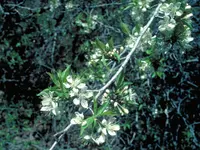
Staggered Clump Division
Divide older clumps every 4–5 years by splitting only a portion of the plant each season so flowering is maintained while gradually rejuvenating the whole planting.

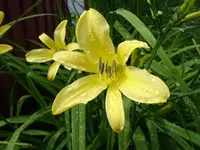
Citron daylily, Hemerocallis citrina, is a hardy, clump-forming perennial grown mainly for its fragrant, lemon-yellow summer flowers. It produces narrow, arching leaves and tall flower stalks that open a fresh flush of blooms for several weeks.
This species is native to East Asia, where it often grows in open meadows and sunny slopes. In gardens, it adapts well to mixed borders, cottage plantings, and naturalized areas.
Citron daylily is generally easy to grow, as it tolerates a range of soils and short dry spells once established. It prefers sun to light shade and evenly moist, well-drained soil, which helps when learning how to care for citron daylily.

Care Difficulty
Easy Care

Light Preference
Full Sun

Water Requirements
Moderate Water

Temperature Preference
Cold Hardy

Hardiness Zone
3–9

Soil Texture
Sandy, Loamy, Clay

Soil pH
Slightly acidic (6.5–7.0), Neutral (7.0)

Soil Drainage
Moist but well-drained

Fertilization
Minimal (feed rarely)
Scan your plant to receive care tips personalized for your specific plant
Available on iOS and Android
This species thrives in full sun but adapts to light shade in many garden settings.
This plant prefers evenly moist, not soggy, soil and copes well with short dry periods once established.
This hardy perennial tolerates a wide temperature range and fits well in many temperate gardens.
This species grows well in typical outdoor humidity and rarely needs special humidity management.
This species prefers slightly moist, well-drained loam that supports steady growth and flowering.
This species can grow reliably in containers when given enough root space and drainage control.
This species benefits from modest, well-timed feeding rather than heavy fertilization.
Pruning Hemerocallis citrina is straightforward and mainly focuses on cleanliness and bloom performance.
This daylily is usually grown in the ground and only occasionally needs transplanting or division.
Propagation of this species is commonly done by division, with seeds used mainly for breeding or experimentation.
This hardy daylily usually needs minimal winter care in most temperate climates.

Plant Health Check
Not sure what's wrong with your plant? Check your plant's health inside the app.
This species opens its flowers in late afternoon and releases a strong, sweet scent at night, which is adapted to attract moth pollinators that are active after dark.
In East Asia, especially in Chinese cuisine, its unopened flower buds and fresh flowers are traditionally used as a vegetable, often dried or stir-fried, and are distinct from the more toxic true lilies in the genus Lilium.
The plant produces long, narrow, trumpet-shaped flowers in a clear lemon-yellow color, which helped give rise to its common name citron daylily and makes it a parent in breeding many fragrant, yellow daylily cultivars.

This species was historically used as a night-blooming ornamental near paths and courtyards in China so that its evening-opening, scented flowers could be enjoyed after sunset during hot summer months.
Lack of flowering often comes from too little light, overcrowded clumps, or nutrient imbalance. Dividing crowded plants, providing enough sun, and avoiding excessive high‑nitrogen fertilizer usually restores normal bud and flower production.
Keep your plants happy and healthy with plant identification, disease detection, and easy care guidance.