Artemisia barrelieri Care

Artemisia barrelieri

About Artemisia barrelieri

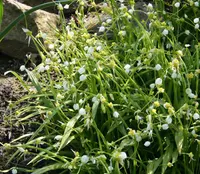
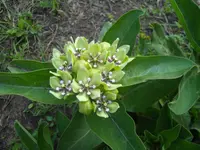
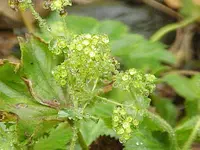
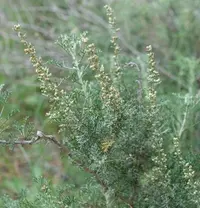
Artemisia barrelieri is a perennial herb from the daisy family, forming low, bushy clumps with finely divided, gray-green foliage. The leaves often have a soft, slightly hairy texture and release a mild aromatic scent when touched.

This species is native to Mediterranean and nearby dry regions, where it grows in open, sunny, and often rocky habitats. Its natural tolerance for poor, well-drained soils and dry conditions makes it relatively undemanding in cultivation.

Gardeners who care for Artemisia barrelieri usually value it for its drought tolerance and restrained growth habit. It prefers full sun, low to moderate moisture, and soils that do not stay waterlogged, which helps keep maintenance needs modest.

Main Plant Requirements

Care Difficulty

Easy Care

Light Preference

Full Sun

Water Requirements

Low Water

Temperature Preference

Warm Climate

Hardiness Zone

7–10

Soil Texture

Sandy, Loamy, Rocky

Soil pH

Slightly acidic (6.5–7.0), Slightly alkaline (7.0–7.5)

Soil Drainage

Well-drained

Fertilization

Minimal (feed rarely)

Get Personalized Care Plan

Scan your plant to receive care tips personalized for your specific plant

Available on iOS and Android

How to Care for the Artemisia barrelieri

This sun-loving Mediterranean perennial thrives in open, bright positions with lean, well-drained soil.

  • Provide 6–8 hours of direct sun daily; morning and midday sun are ideal, with light afternoon shade in very hot, inland summers.
  • Artemisia barrelieri tolerates light partial shade (3–4 hours sun), but stems become looser and foliage less dense if light is too low.
  • In cooler coastal or northern climates it handles full sun all day; watch for leaf scorch or bleaching during heatwaves and increase mulch, not shade.

This drought-tolerant subshrub prefers infrequent, deep watering in sharply drained soil.

  • Outdoors in the ground, water only when the top 5–7 cm of soil are dry; in average conditions this may mean every 10–21 days after establishment.
  • Reduce watering in cool seasons, giving just enough to prevent complete drying and leaf wilt; young plants need slightly more frequent checks in the first growing season.
  • Yellowing, mushy lower stems and lingering surface moisture indicate overwatering and poor drainage, while crisp, browning leaf tips signal prolonged drought.

This hardy perennial tolerates a wide temperature range once established, especially in dry, well-drained sites.

  • Best growth occurs around 60–80°F (16–27°C), with strong performance in sunny, open positions during spring and early summer.
  • Established plants usually tolerate down to about 10–15°F (-12 to -9°C) with good drainage; in colder zones use mulch to protect roots over winter.
  • Heat tolerance is high in dry air up to about 95°F (35°C); problems increase when heat combines with high humidity and poorly drained soil.

This species handles low humidity well, so air moisture is rarely a limiting factor.

  • Ideal humidity is 30–50%, similar to typical indoor heated or air-conditioned spaces.
  • Tolerates dry air without issue; avoid only extremely damp, stagnant conditions around foliage.
  • Humidity stress appears as prolonged leaf wetness leading to gray mold; improve air flow rather than adding moisture.

This steppe species prefers lean, fast-draining soil that never stays waterlogged.

  • Use a sandy or gravelly loam with coarse structure to prevent compaction around roots.
  • Aim for pH 6.5–8.0, avoiding very acidic mixes that reduce nutrient availability for Artemisia barrelieri.
  • Blend roughly 50–70% mineral material (sand or fine grit) with 30–50% low-nutrient compost to balance drainage and slight fertility.
  • Improve aeration and drainage by mixing in pumice or perlite and avoid heavy clay or peat-dominant soils that hold water.

This species is suitable for container growing in sunny, dry locations.

  • Choose a wide, relatively shallow pot to accommodate its spreading root system and keep the substrate drying evenly.
  • Use a mineral-heavy mix and a pot with sharply draining holes so rain or irrigation water exits within minutes.
  • Select unglazed clay or terracotta to allow moisture to evaporate faster and reduce the risk of root rot in wet spells.

This drought-tolerant perennial needs only light feeding to stay healthy in average garden soil.

  • Use a balanced, low-strength fertilizer (such as 10-10-10) or a thin layer of compost in early spring for Artemisia barrelieri.
  • Apply once at the start of the active growing season; avoid repeated high-nitrogen feeding, which encourages floppy growth.
  • Dilute liquid fertilizer to 25–50% strength and apply to moist soil, never to dry roots.
  • Stop feeding in late summer and do not fertilize during winter dormancy.

Light, well-timed pruning keeps this plant compact and prevents woody, open growth.

  • In late winter or very early spring, remove dead, damaged, or winter-killed stems back to healthy tissue on Artemisia barrelieri.
  • Thin crowded shoots at the base to improve air flow and maintain a balanced, mounded shape.
  • After flowering, shear lightly to encourage fresh foliage and a denser habit.
  • Use sharp, clean hand pruners or scissors to make angled cuts just above leaf nodes.

This species is most often grown in the ground and only occasionally maintained in containers.

  • Transplant in early spring or early fall, when temperatures are mild and soil is workable.
  • Move plants if growth stalls, clumps outgrow their space, or roots circle inside a pot in the case of container-grown Artemisia barrelieri.
  • Lift with a wide root ball, disturb roots as little as possible, and replant at the same depth in well-drained soil.
  • Water thoroughly after transplanting, then keep soil just slightly moist until new growth shows reduced transplant stress.

Artemisia barrelieri is commonly propagated by division, cuttings, or seeds under suitable conditions.

  • Divide mature clumps in early spring, replanting healthy sections with several shoots and firm roots.
  • Take 7–10 cm softwood or semi-ripe stem cuttings in late spring, using a free-draining medium and bright, indirect light.
  • Maintain moderate humidity and soil just barely moist to encourage rooting without rot.
  • Sow seeds on the surface of a gritty mix in spring, providing light, 60–70°F temperatures, and good air circulation.

This hardy perennial usually needs minimal winter attention in temperate climates.

  • Established plants tolerate moderate frost, but young Artemisia barrelieri benefit from basic protection in colder zones.
  • Apply a light mulch layer around the root zone in late fall, keeping it away from the stem base.
  • In very cold or wet regions, grow in containers and move to a cold, bright, sheltered spot for winter.

Care Tips

Encourage Bushy Growth

Pinch back soft growing tips in early spring and after flowering to keep plants compact, encourage dense side shoots, and delay woody, leggy growth when growing Artemisia barrelieri.

Improve Air Circulation

Space plants so mature foliage just avoids touching and thin congested stems each year to reduce humidity around leaves and limit powdery mildew and foliar disease development.

Use Light Mulching

Apply a very thin, gritty mineral mulch such as coarse sand or fine gravel around the crown to suppress weeds and splash, without trapping excess moisture against the stems.

Plan Short-Lived Stands

Treat this species as a short-lived perennial or biennial, and re-sow or plant new divisions every 2–3 years to maintain vigorous, attractive clumps.

Monitor Self-Seeding

Allow only selected plants to set seed and deadhead the rest to prevent unwanted spread while still keeping a supply of seedlings for stock renewal when caring for Artemisia barrelieri.

Common Pests and Diseases

Aphids

These insects feed on young shoots and flower stems, sucking sap and causing curling or distortion of the soft, aromatic foliage. Symptoms include sticky honeydew and sometimes sooty mold on densely planted clumps.

Solution

Spray affected stems with a firm jet of water to dislodge colonies, then follow with insecticidal soap or a light horticultural oil, making sure to coat the undersides of leaves. Reduce excess nitrogen fertilization, which encourages lush, aphid‑prone growth, and thin crowded stems to improve air flow when growing Artemisia barrelieri in borders or herb beds.

Artemisia leaf miner

This pest creates pale, winding tunnels inside the narrow leaves, which may turn brown and dry along the mined areas. Damage is mostly cosmetic but can be extensive on stressed plants.

Solution

Remove and destroy mined leaves promptly to interrupt the insect life cycle, and keep plants vigorous with full sun and well‑drained soil so they outgrow minor damage. In gardens with repeated issues, floating row covers can exclude adult flies early in the season, and targeted applications of neem or spinosad products can be used according to label directions if damage becomes severe.

Powdery mildew

This disease appears as white, powdery patches on leaves and stems, especially in humid, stagnant air conditions. Symptoms include dull, grayish foliage and premature leaf drop on the lower parts of the plant.

Solution

Improve air circulation by thinning crowded clumps and avoiding overhead watering, especially late in the day. Remove heavily affected leaves and apply a sulfur or potassium bicarbonate fungicide labeled for ornamental herbs at the first sign of infection to protect new growth.

Rust

This disease causes small yellow spots on the upper leaf surface and orange‑brown pustules on the undersides, which can lead to leaf yellowing and drop. Symptoms include patchy thinning of foliage on lower, older stems in damp conditions.

Solution

Promptly remove and dispose of infected leaves and any fallen debris around the base of the plant to reduce spore levels. Avoid wetting the foliage, water at soil level, and if rust recurs, use a labeled copper or other garden fungicide as a protective spray during prolonged cool, wet periods.

Interesting Facts

Western Mediterranean native

This species is naturally distributed around the western Mediterranean Basin, especially in parts of Spain, France, and North Africa, where it grows in dry, open habitats such as rocky slopes and light scrub.

Pioneer on disturbed soils

It often colonizes disturbed, nutrient-poor, or eroded calcareous soils, acting as a pioneer species that helps stabilize the ground and create conditions for other plants to establish later.

Aromatic yet discreet foliage

Like many Artemisia species, it produces aromatic compounds in its foliage, but its scent is generally milder and less conspicuous than that of better-known wormwoods, and it is not widely used in flavoring or perfumery.

FAQs about Artemisia barrelieri

This species usually forms loose clumps and short rhizomes, spreading slowly under typical garden conditions. It is not considered aggressive, but in light, dry soils it can self-seed modestly. Regular deadheading limits unwanted spread.

Grow Healthy Plants with Botan Care

Keep your plants happy and healthy with plant identification, disease detection, and easy care guidance.

Botan plant care app — identify plants on mobile

Explore More Plants