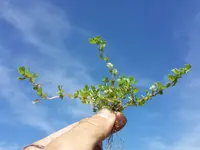
few-flowered leek Care (Allium paradoxum)

Also known as: Few-flowered garlic
few-flowered leek

About few-flowered leek

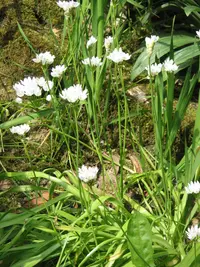
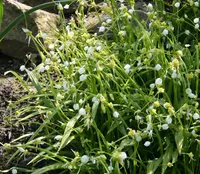
Few-flowered leek (Allium paradoxum) is a small, bulb-forming perennial from the onion family, valued more for its foliage and early season presence than for showy blooms. It produces smooth, strap-like leaves and slender stems carrying mostly single, drooping white flowers, giving a delicate, sparse look.

This species is native to parts of western Asia but has naturalized in many temperate regions, often forming dense ground-level colonies. It grows easily in cool, moist, well-drained soils and light shade to sun, and can spread quickly where conditions suit it. Understanding how to care for few-flowered leek helps keep it contained and healthy in garden settings.

Main Plant Requirements

Care Difficulty

Easy Care

Light Preference

Partial Shade

Water Requirements

Moderate Water

Temperature Preference

Cold Hardy

Hardiness Zone

4–9

Soil Texture

Loamy, Silty, Organic-rich

Soil pH

Acidic (5.5–6.5), Slightly acidic (6.5–7.0)

Soil Drainage

Moist but well-drained

Fertilization

Minimal (feed rarely)

Get Personalized Care Plan

Scan your plant to receive care tips personalized for your specific plant

Available on iOS and Android

How to Care for the few-flowered leek

Allium paradoxum prefers cool, bright sites with soft light rather than intense, all-day sun.

  • Provide 3–5 hours of morning sun with light or dappled shade in the afternoon; woodland edge or north/east-facing borders suit few-flowered leek well.
  • Tolerates partial to full shade, but flowering and clump density improve with at least a few hours of direct or filtered sun in late winter–spring.
  • Avoid hot, exposed south- or west-facing spots where strong afternoon sun can scorch foliage and dry out shallow bulbs, especially in warmer regions.

Allium paradoxum grows from bulbs and prefers moist but not waterlogged soil during its active season.

  • In late winter–spring, water when the top 2–3 cm of soil feel dry, aiming for consistently moist soil while foliage is green and actively growing.
  • Ensure sharply drained soil; standing water or heavy clay that stays wet leads to bulb rot, yellowing, and collapsing leaves in Allium paradoxum.
  • Reduce or stop watering once foliage yellows and dies back in late spring–early summer, allowing the soil to dry more between natural rainfall during dormancy.

This hardy bulb favors cool conditions and tolerates substantial winter cold.

  • Optimal active growth occurs in late winter–spring at about 40–60°F (4–16°C), when soil is cool and moisture levels are naturally higher.
  • Dormant bulbs tolerate at least 0°F (−18°C) in the ground with mulch; snow cover further protects them from repeated freeze–thaw cycles.
  • Plants struggle in prolonged heat above 80°F (27°C); in hot-summer climates, provide partial shade and moisture-retentive yet well-drained soil to prevent stress.

Humidity is not a major factor for Allium paradoxum, which adapts well to typical outdoor air levels.

Allium paradoxum prefers moist, well-aerated ground that never stays waterlogged.

  • Use a loose, loamy soil rich in organic matter, such as garden loam mixed with compost.
  • Ensure free drainage; incorporate coarse sand or fine grit at 20–30% of volume to prevent standing water.
  • Aim for slightly acidic to neutral pH, around 6.0–7.0, for reliable bulb growth.
  • Avoid compacted clay or sites where winter moisture accumulates, which can rot dormant bulbs.

This species can be grown successfully in containers when moisture and drainage are carefully managed.

  • Choose a pot at least 20–25 cm deep to allow bulbs and roots to develop without crowding.
  • Use a heavier material pot, such as terracotta, to reduce tipping risk as foliage clumps thicken.
  • Water thoroughly, then allow the top 3–4 cm of mix to dry, ensuring the saucer is emptied promptly to avoid bulb rot.

Allium paradoxum is a hardy bulb that needs only modest feeding in average garden soil.

  • In early spring, apply a light top-dressing of compost around the clumps for steady nutrition.
  • Where soil is poor, use a balanced NPK granular or slow-release fertilizer at half strength once as growth starts.
  • Avoid feeding during summer dormancy or winter when foliage has died back, as bulbs are resting.
  • For few-flowered leek in containers, use a diluted balanced liquid feed every 4–6 weeks in active growth only.

Allium paradoxum needs minimal pruning, mainly to manage appearance and spread.

  • In late spring, remove spent flower stems at the base to keep the planting tidy and reduce self-seeding.
  • Trim yellowing or damaged leaves with clean scissors to limit fungal issues and improve air movement.
  • Invasive clumps can be thinned by cutting and removing crowded sections to control spread and maintain shape.
  • Disinfect cutting tools before and after use to reduce disease transfer between bulbs and nearby plants.

This species is usually grown in the ground, so focus on lifting and transplanting crowded bulbs rather than frequent repotting.

  • Transplant in late summer to early fall, after foliage has fully died back and bulbs are dormant.
  • Lift congested clumps every 3–5 years or when growth declines and flowering becomes sparse.
  • Gently tease apart bulbs, replanting them at the original depth in loose, well-drained soil to limit root stress.
  • Water lightly after transplanting, then keep soil just moist until new roots establish in the cooler season.

Allium paradoxum is most commonly propagated by division and bulbils, which allows controlled spread.

  • Divide mature clumps in late summer or early fall when bulbs are dormant and foliage is gone.
  • Carefully separate offset bulbs and replant them at similar depth in moist, well-drained soil with good light.
  • Collect bulbils from spent flower heads and place them on or just below the soil surface where new plants are desired.
  • Keep the soil slightly moist during cool seasons to support rooting and establishment of divisions and bulbils.

This bulb is cold hardy in most temperate climates and generally needs little specific winter care once established.

  • Tolerates typical winter frost; bulbs rest underground while foliage dies back naturally.
  • In very cold regions, add a light mulch layer over the planting area to buffer repeated freeze–thaw cycles.
  • Outdoor containers benefit from moving to a sheltered, unheated spot to prevent the potting mix from freezing solid.

Care Tips

Contain Spread

Plant bulbs in a buried plastic or metal edging ring 20–30 cm deep to limit underground spread and make it easier to lift and thin clumps every few years.

Time Deadheading

Cut and dispose of flower heads as soon as petals fade but before seed sets to reduce self-seeding and keep plant numbers manageable in small gardens.

Use Foliage Mulch

Allow spent foliage to die back and lie in place for a few weeks before removal so nutrients can return to the soil, then add a light organic mulch to support next season’s growth.

Rotate Harvest Areas

If using leaves in the kitchen, harvest lightly from different patches each year so individual clumps can rebuild bulb reserves and remain vigorous when growing few-flowered leek.

Monitor Naturalized Patches

Once established, walk the area in late spring and mark how far clumps have spread, then remove outlying bulbs by hand to prevent unwanted colonization of neighboring beds or wild areas.

Common Pests and Diseases

Allium leaf miner

This insect pest tunnels inside leaves and stems, causing twisting, yellowing, and collapse of the foliage. Symptoms include lines of small white eggs on leaf surfaces and brownish feeding tunnels in the leaf bases and bulbs.

Solution

Remove and destroy affected leaves and bulbs as soon as damage is seen to break the life cycle. Use fine insect mesh over clumps during the main flight periods, practice strict garden hygiene, and avoid moving infested soil or bulbs to clean areas when growing few-flowered leek.

Leek rust

This disease causes orange to rust-brown pustules on leaves, leading to reduced vigor and premature dieback. Symptoms include spotted, discolored foliage that may dry out from the tips.

Solution

Cut off and dispose of heavily infected leaves and avoid overhead watering to keep foliage dry. Improve spacing and air movement, rotate planting areas, and remove any volunteer alliums nearby that might carry the fungus.

Onion white rot

This soil-borne disease attacks the roots and bulb plate, leading to sudden yellowing and collapse of foliage. Symptoms include white, fluffy fungal growth with small black sclerotia on the bulb and roots.

Solution

Uproot and destroy any affected plants, including surrounding soil clods on the roots, and do not compost them. Avoid replanting Allium species in the same soil for many years, and use only clean, inspected bulbs in uninfested beds or containers.

Narcissus bulb fly

This pest lays eggs near bulbs, and the larvae bore into the bulb, hollowing it out. Symptoms include weak or absent shoots in spring and bulbs that feel soft or rotten when squeezed, often with a single large grub inside.

Solution

Lift and inspect suspicious bulbs, discarding any that show internal damage. For remaining clumps, plant bulbs a bit deeper, keep soil surface firm and free of gaps where flies can lay eggs, and remove weak, non-sprouting bulbs promptly.

Interesting Facts

Bulbils replace flowers

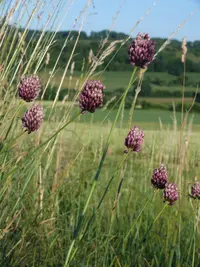
This species often produces small bulb-like structures, called bulbils, in place of normal flowers, which drop to the ground and root, making it highly effective at spreading vegetatively in suitable habitats.

Early spring specialist

It emerges and flowers very early in spring, taking advantage of high light levels on the woodland floor before trees leaf out, then dies back to its bulbs once the canopy closes.

Notable invasive behavior

Outside its native range in southwestern Asia, it forms dense carpets in damp woodlands and stream banks, where it can outcompete native spring ephemerals and alter ground-layer plant communities.

Botan icon

Did you know?

In some regions, few-flowered leek is legally regulated as an invasive non-native species, and gardeners are advised to avoid planting it or to control its spread carefully due to its strong ability to naturalize and dominate woodland ground flora.

FAQs about few-flowered leek

This species spreads quickly by both seed and bulbils, often forming dense colonies. In mild, moist climates it can escape cultivation and overwhelm smaller plants, so regular removal of unwanted clumps and spent flower heads is important.

Grow Healthy Plants with Botan Care

Keep your plants happy and healthy with plant identification, disease detection, and easy care guidance.

Botan plant care app — identify plants on mobile

Explore More Plants