Mark Dormant Bulbs
After foliage dies back, mark the spots with small tags or gravel so you avoid disturbing the bulbs when cultivating or replanting nearby plants later in the season.

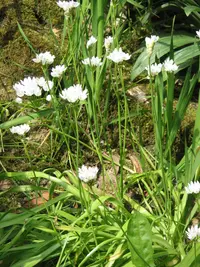
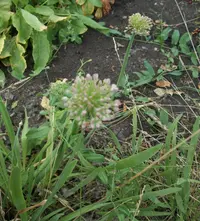
White garlic (Allium neapolitanum) is a small bulbous perennial from the Mediterranean region, often grown for its delicate spring flowers. It forms clumps of narrow, grass-like leaves and upright stems topped with loose clusters of star-shaped white blooms. The flowers have a light, clean appearance that suits naturalistic borders, rock gardens, and informal lawns. This species spreads gradually by bulbs and seed, making it relatively easy to establish where conditions are suitable. It generally prefers sunny positions, well-drained soil, and moderate moisture, which also guides how to care for white garlic in home gardens.

Care Difficulty
Easy Care

Light Preference
Full Sun

Water Requirements
Moderate Water

Temperature Preference
Cool Climate

Hardiness Zone
6–10

Soil Texture
Sandy, Loamy, Organic-rich

Soil pH
Slightly acidic (6.5–7.0), Slightly alkaline (7.0–7.5)

Soil Drainage
Well-drained

Fertilization
Minimal (feed rarely)
Scan your plant to receive care tips personalized for your specific plant
Available on iOS and Android
Allium neapolitanum grows best in bright, open sites with plenty of direct sun.
Allium neapolitanum prefers evenly moist soil during active growth but dislikes standing water.
This bulb thrives in mild climates with cool winters and moderate spring temperatures.
Allium neapolitanum handles typical indoor and outdoor humidity easily, so humidity control is rarely critical.
Allium neapolitanum grows best in light, well‑drained, slightly alkaline soil.
This species is suitable for container growing when the pot is prepared to keep bulbs dry around the base.
Allium neapolitanum benefits from modest feeding to support foliage and flowering, especially in lean soils.
Allium neapolitanum needs minimal pruning, mainly to keep clumps tidy and reduce unwanted seeding.
This bulb is usually grown in the ground, so care focuses on lifting and transplanting crowded clumps rather than frequent repotting.
This species is commonly propagated by bulb division and, less often, by seed to expand plantings.
Allium neapolitanum is moderately cold hardy and usually needs little winter care in mild to cool climates.

Plant Health Check
Not sure what's wrong with your plant? Check your plant's health inside the app.
This bulb is native to the Mediterranean Basin and naturally grows during mild, wet winters, then goes dormant in the dry, hot summer, which is the reverse of the growth cycle of many garden perennials in cooler climates.
In favorable climates the plant often naturalizes, forming low spring carpets from both bulbs and freely produced seed, then disappearing completely from view once foliage dies back after flowering.
The starry white flowers provide nectar and pollen for early-season insects such as bees and hoverflies at a time when many other nectar sources are still scarce.

In some regions with mild, wet winters such as parts of California, this ornamental bulb has escaped cultivation and is considered a minor invasive species because its bulbs and seeds allow it to spread and persist in natural grasslands and disturbed habitats.
Yellowing leaves often appear naturally as foliage dies back after flowering, especially in late spring or early summer. Persistent yellowing earlier in the season may indicate compacted soil, nutrient deficiency, waterlogged conditions, or damage to the bulbs.
Keep your plants happy and healthy with plant identification, disease detection, and easy care guidance.