lesser burdock Care (Arctium minus)

Also known as: common burdock, llepassa
lesser burdock

About lesser burdock

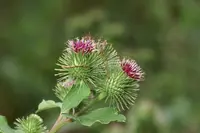
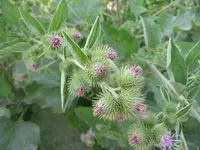
Lesser burdock (Arctium minus) is a robust biennial herb best known for its hooked burs that cling to fur and clothing. It forms a large rosette of broad, heart-shaped leaves in its first year, then sends up tall flowering stems in the second year.

This species is native to Europe and Asia but is now widespread in North America along roadsides, fields, and disturbed ground. It grows quickly and can self-seed heavily, which makes it persistent but also easy to establish.

It prefers full sun, moderate moisture, and well-drained, fertile soil. Understanding how to care for lesser burdock helps keep it manageable and prevents unwanted spreading.

Main Plant Requirements

Care Difficulty

Easy Care

Light Preference

Full Sun

Water Requirements

Moderate Water

Temperature Preference

Cold Hardy

Hardiness Zone

3–8

Soil Texture

Sandy, Loamy, Clay

Soil pH

Slightly acidic (6.5–7.0), Neutral (7.0)

Soil Drainage

Well-drained

Fertilization

Minimal (feed rarely)

Get Personalized Care Plan

Scan your plant to receive care tips personalized for your specific plant

Available on iOS and Android

How to Care for the lesser burdock

This biennial prefers open sites with generous sun but adapts to light shade in many temperate climates.

  • Provide 6–8 hours of direct sun daily; morning sun with light afternoon shade reduces leaf scorch in hot summers.
  • Tolerates partial shade at 3–4 hours of sun, but lesser burdock may grow taller and lean toward the light in such conditions.
  • Avoid deep shade, which leads to weak stems and small leaves; in dense plantings or hedgerows, thin nearby vegetation to increase light, especially in spring.

This plant is moderately drought tolerant once established but grows best with steady, not excessive, soil moisture.

  • Allow the top 3–5 cm of soil to dry before watering; soil should feel dry at the surface yet faintly moist just below when squeezed.
  • Increase watering frequency in hot, windy periods if leaves droop during the day and do not recover by evening, a sign of true moisture stress.
  • Ensure free-draining soil; persistent puddles, soft roots, and yellowing lower leaves indicate overwatering, while crispy margins and slow growth suggest chronic dryness for Arctium minus.

This hardy species tolerates a wide temperature range typical of temperate climates and survives winter in the ground.

  • Optimal active growth occurs around 60–75°F (16–24°C), especially in spring and early summer when soil remains evenly moist.
  • Mature plants withstand cold down to about 5–10°F (-15 to -12°C) in dormancy, but young first-year rosettes benefit from protection from repeated hard frosts.
  • In hot spells above 90°F (32°C), growth slows and leaves may wilt midday; deeper soil moisture and light afternoon shade reduce heat stress.

This species grows well in typical outdoor humidity and does not require special humidity management.

This taprooted biennial prefers deep, loose mineral soil that allows easy root penetration and steady moisture without waterlogging.

  • Use a loamy or sandy-loam soil with moderate organic matter to support root growth without compacting.
  • Ensure free drainage; avoid heavy, poorly structured clay that stays wet, since this can cause root rot and distorted taproots.
  • Aim for slightly acidic to neutral pH around 6.0–7.5, which suits Arctium minus nutrient uptake and root development.
  • Improve aeration and drainage by incorporating coarse sand or fine grit plus well-rotted compost, avoiding dense peat-heavy mixes.

This species is generally not well suited to container growing because its long taproot needs deep, open ground.

This wild biennial usually needs no fertilizer in average soil, but light feeding can support leafy growth in poor sites when caring for lesser burdock.

  • Use a balanced, diluted liquid fertilizer (about 1/4–1/2 strength) or a small amount of compost in spring of the first year.
  • Apply every 4–6 weeks only during active growth, stopping by late summer.
  • Avoid feeding in winter or when the plant has died back, as Arctium minus is dormant then.
  • Do not overapply nitrogen; excessive fertility can cause lush foliage with weaker stems.

Pruning Arctium minus focuses on managing spread and removing unwanted growth rather than shaping a long-lived plant.

  • Cut back dead or damaged leaves at the base during the growing season using clean hand pruners or scissors.
  • Remove flowering stems before seed set if self-seeding is not desired, as burrs disperse widely.
  • Trim crowded rosettes lightly to improve airflow, reducing risk of foliar disease.
  • At the end of the second year, cut spent plants to ground level and remove roots if control is needed.

Transplanting Arctium minus is done mainly when managing it in gardens or moving young wildlings, as it is rarely container grown.

  • Move plants in early spring or early fall, when temperatures are mild and moisture is reliable.
  • Transplant only young plants with short taproots; older plants suffer stress if the deep taproot is cut.
  • Signs of container stress include roots circling the pot, stunted growth, and quick drying soil.
  • Dig deeply to capture as much taproot as possible, replant promptly, firm soil around roots, then water thoroughly to settle soil and limit shock.

Propagation of Arctium minus is usually by seed, as the plant forms a strong taproot that does not divide well.

  • Collect mature burrs in late summer to early fall and remove seeds from the burs carefully.
  • Sow seeds outdoors in fall or early spring, pressing them lightly into moist, well-drained soil.
  • Provide full sun and consistent moisture until seedlings establish; avoid waterlogging.
  • Thin crowded seedlings to allow strong rosette development and reduce competition.

This biennial is cold hardy in most temperate climates and usually needs no special winter care once established.

  • First-year rosettes tolerate frost, but a light 2–5 cm mulch of leaves or straw can buffer freeze–thaw cycles in exposed sites.
  • Container-grown plants, if any, are best moved to a sheltered, unheated spot to prevent root freezing and pot cracking.
  • Do not overwater in winter; saturated cold soil increases root rot risk.

Care Tips

Timely Root Harvest

For best root quality, harvest plants in their first year in late fall or very early spring before flowering, when roots are thick but still tender and less fibrous.

Controlled Self-Seeding

To prevent unwanted spread, cut and remove flower heads as soon as they begin to fade so burs do not mature and attach to clothing, animals, or equipment.

Taproot Lifting Technique

When digging roots, loosen soil deeply with a garden fork around the plant and gently lever the taproot upward in stages instead of pulling straight up, which reduces breakage and loss of usable root.

Field Hygiene Management

After working among plants, brush off burs from clothing and tools over a contained area or tarp and dispose of them in sealed bags, which limits accidental seed dispersal around the site.

Staggered Patch Renewal

In a managed patch for growing lesser burdock, mark and rotate harvest areas each year so some plants always remain to maintain genetic diversity and a continuous seed source without overwhelming the space.

Common Pests and Diseases

Powdery mildew

This disease causes a white, powdery coating on leaves, stems, and sometimes flower heads, often in dense stands or dry conditions. Symptoms include distorted, yellowing foliage that may die back early.

Solution

Remove and dispose of heavily infected leaves and plant residues to reduce spore buildup, and avoid overhead watering so foliage dries quickly. Improve spacing and airflow, and if needed treat remaining foliage with a sulfur or potassium bicarbonate fungicide labeled for powdery mildew, following the product directions closely as part of broader Arctium minus plant care.

Leaf spot

This disease produces small brown to dark purple spots on leaves that can merge into larger dead patches, especially in humid or crowded growth. Symptoms include premature yellowing and shedding of lower foliage.

Solution

Cut off and discard badly spotted leaves and clean up fallen debris around the plant to remove sources of infection. Reduce leaf wetness by watering at soil level and thinning dense patches, and use a copper-based fungicide if spotting continues and conditions stay wet.

Rust

This disease shows as orange to reddish-brown pustules on the underside of leaves, with pale or yellow areas above. Symptoms include reduced vigor and early leaf drop in severe cases.

Solution

Remove and destroy infected leaves as soon as pustules appear and avoid overhead irrigation that keeps foliage wet. Space plants to promote airflow, and in recurrent cases apply a rust-active fungicide (such as a labeled chlorothalonil or myclobutanil product) at the first signs of infection.

Aphids

These insects cluster on young stems, leaf undersides, and flower stalks, sucking plant sap and excreting sticky honeydew. Symptoms include curled or distorted leaves and sooty mold growing on the honeydew.

Solution

Wash colonies off with a strong but controlled stream of water, repeating every few days until numbers drop. Encourage or introduce natural enemies like lady beetles, and if needed use insecticidal soap or horticultural oil, thoroughly coating leaf undersides and tender shoots.

Burdock weevil

This pest, often the burdock seedhead weevil, lays eggs in flower heads; larvae tunnel and feed inside the burs, reducing seed viability and sometimes deforming heads. This activity rarely kills plants but can affect seed production and spread.

Solution

Cut and destroy infested flower heads before seeds fully mature to break the life cycle and limit weevil populations. Where burdock is desirable, monitor flower heads regularly during summer and remove those that show early signs of damage or exit holes to reduce future infestations.

Interesting Facts

Hooked bur troubles

The flower heads of this species develop dry fruits with stiff hooked bristles that latch onto animal fur and clothing, allowing the plant to disperse its seeds over long distances.

Biennial life cycle

This plant typically lives for 2 years, forming a basal rosette and large taproot in the first year, then sending up tall flowering stems and producing seed in the second year before dying.

Disturbed-ground specialist

It commonly establishes along roadsides, field edges, and waste places in temperate regions, where open soil and reduced competition favor its germination and growth.

Botan icon

Did you know?

The clinging burs of this species were one of the inspirations that led Swiss engineer George de Mestral to develop hook-and-loop fasteners, now widely known by the brand name Velcro.

FAQs about lesser burdock

This species spreads readily by seed and can become dominant if not managed. Burs cling to fur and clothing, carrying seed far from the parent plant. Regular deadheading and removing first-year rosettes help limit spread.

Grow Healthy Plants with Botan Care

Keep your plants happy and healthy with plant identification, disease detection, and easy care guidance.

Botan plant care app — identify plants on mobile

Explore More Plants