Pholiota adiposa Care

Pholiota adiposa

About Pholiota adiposa

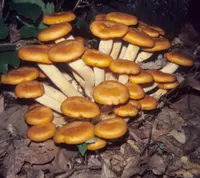
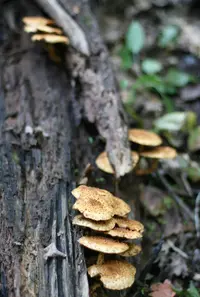
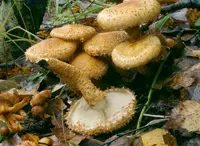
Pholiota adiposa is a wood-rotting mushroom, not a leafy houseplant. It forms dense clusters of medium-sized, sticky-capped fruiting bodies on dead or weakened hardwoods. The caps are yellow-brown with darker scales, and the gills run crowded under the cap, giving it a distinctive textured look. In nature it occurs mainly in temperate forests, especially on beech and other broadleaf logs or stumps.

This species depends on consistently moist, cool, and shaded conditions, which can make it challenging to cultivate outside controlled setups. It suits growers who are comfortable managing sterile substrate and humidity rather than casual beginners learning how to care for Pholiota adiposa.

Main Plant Requirements

Care Difficulty

Moderate Care

Light Preference

Partial Shade

Water Requirements

Keep Soil Moist

Temperature Preference

Cool Climate

Hardiness Zone

Unknown

Soil Texture

Loamy, Organic-rich

Soil pH

Acidic (5.5–6.5)

Soil Drainage

Moist but well-drained

Fertilization

Minimal (feed rarely)

Get Personalized Care Plan

Scan your plant to receive care tips personalized for your specific plant

Available on iOS and Android

How to Care for the Pholiota adiposa

This wood-rotting mushroom prefers cool, shaded forest-like light rather than full sun exposure.

  • For reliable fruiting, Pholiota adiposa does best in bright shade or dappled light with no more than 1–2 hours of weak morning sun and full protection from strong midday and afternoon sun.
  • Install logs or substrates under trees, shrubs, or shade cloth providing 70–90% shade; direct sun can overheat and dry the substrate, stopping mushroom development.
  • In summer, increase shading as the sun strengthens, while in autumn more open, filtered light is acceptable as long as the substrate surface does not dry hard or crack.

This species relies on consistently moist, not waterlogged, wood or substrate to form mushrooms.

  • Aim for evenly moist logs or beds; the surface should feel damp and cool, never soggy, with no standing water around the substrate to avoid rot and anaerobic conditions.
  • In dry or windy weather, soak or heavily hose the inoculated wood when the outer 1–2 cm feel dry, then let excess water drain away fully before the next soaking.
  • Slow or aborted mushroom growth, cracked caps, or very light, brittle flesh suggest underwatering, while sour odor, slimy patches, or moldy softness on the wood indicate chronic overwatering.

This fungus fruits best in cool to mild outdoor conditions, with clear limits for both heat and cold.

  • Optimal fruiting usually occurs around 50–68°F (10–20°C), with mycelium growth possible from roughly 41–77°F (5–25°C) if moisture is stable.
  • Short exposures down to about 28–32°F (-2–0°C) may be tolerated by colonized wood, but hard or prolonged freezes can damage fruiting bodies and slow later production.
  • Sustained heat above 77–82°F (25–28°C) dries substrates quickly and stresses the mycelium; in hot seasons, increase shade, mulching, and irrigation to moderate temperature swings.

This saprophytic fungus prefers moist, humid air for reliable fruiting and tissue health.

  • Aim for 70–90% humidity around developing clusters, especially in dry indoor or sheltered outdoor setups.
  • Dry air causes caps to crack, edges to curl, and growth to stall, especially at the primordia (pin) stage.
  • Increase humidity with a humidifier, plastic humidity tent with vents, or frequent fine misting that avoids saturating the substrate surface.

This species fruits best on organic-rich, well-aerated substrate that mimics decaying wood rather than standard garden soil.

  • Use a substrate based on hardwood sawdust or chips blended with 10–30% wheat bran or similar supplement for nutrition.
  • Ensure loose, crumbly structure that drains freely yet retains moisture; avoid compacted or heavy clay-based mixes.
  • Keep pH roughly neutral, around 6.0–7.5, as strongly acidic or alkaline conditions can slow mycelium colonization.
  • Improve aeration and drainage by avoiding fine, muddy particles and maintaining moderate substrate depth so internal layers do not turn anaerobic.

This fungus can be grown in containers such as buckets or tubs when moisture and gas exchange are managed carefully.

  • Use sturdy containers with side and bottom holes that allow both drainage and limited fresh-air exchange without rapid drying.
  • Select a volume large enough to hold a thick substrate block so the outer layer can dry slightly while the interior remains moist.
  • Choose opaque containers or wrap clear ones to reduce light on the substrate surface, which helps stabilize moisture and temperature during growing Pholiota adiposa.

This wood-decaying fungus typically needs no fertilizer when grown on nutrient-rich logs or hardwood substrates.

Pholiota adiposa does not require pruning, as fruiting bodies are seasonal and short-lived.

Cultivation focuses on renewing colonized substrate rather than traditional repotting.

  • Refresh or replace inoculated hardwood logs or blocks every 2–3 years, or when yields decline noticeably.
  • Plan major substrate moves or outdoor log placement in cool, moist seasons such as spring or fall.
  • Handle colonized substrate gently to avoid breaking up the mycelium, which can reduce future fruiting.
  • After any move, maintain stable moisture and shade to reduce stress on the fungal network.

Propagation of Pholiota adiposa is usually carried out by mycological specialists using sterile culture methods.

Outdoor cultivation of this fungus generally needs minimal winter care in temperate climates.

  • Hardwood logs or substrate blocks tolerate normal winter cold if the species is locally adapted.
  • Place outdoor substrates in a shaded, wind-sheltered spot to limit repeated freeze–thaw cycling.
  • In very cold areas, apply a light mulch or leaf cover around logs to buffer sudden temperature drops.

Care Tips

Use hardwood logs

Inoculate fresh-cut, disease-free hardwood logs (oak, beech, maple) within 2–4 weeks of felling so the mycelium colonizes before competing fungi establish.

Drill pattern spacing

When installing dowel or sawdust spawn, drill 8–10 mm holes in a staggered diamond pattern around the log, spacing holes 10–15 cm apart to ensure even, rapid colonization.

Paraffin sealing

Seal all inoculation holes and cut log ends with melted cheese wax or paraffin to reduce moisture loss and block airborne contaminants.

Shaded stacking method

Stack inoculated logs off the ground on bricks or rails in a shaded, wind-sheltered spot, leaving gaps between logs for air circulation but avoiding direct sun and strong drying winds.

Soak to trigger fruiting

After full colonization, submerge logs in clean, cool water for 12–24 hours, then stand them upright in a shaded fruiting area to help synchronize and increase flushes when growing Pholiota adiposa.

Common Pests and Diseases

Green mold (Trichoderma)

This disease causes fast‑spreading green patches on the casing or substrate surface and can quickly overgrow young fruiting bodies. Symptoms include reduced yield, deformed caps, and a strong earthy or musty odor.

Solution

Remove and discard heavily contaminated substrate blocks and any visibly green areas, then reduce humidity slightly and increase fresh air exchange to dry the surface lightly. Disinfect growing surfaces and tools with a 10% bleach solution, avoid overwatering, and use only well‑pasteurized or sterilized substrate when growing Pholiota adiposa at home.

Cobweb mold

This disease produces fine, grayish, spider‑web like mycelium that spreads rapidly over the casing, substrate, and mushrooms, sometimes turning pink when treated too late. Symptoms include soft, water‑soaked caps and collapse of small clusters.

Solution

Isolate affected trays, lightly mist the infected area with a 3% hydrogen peroxide solution, and remove any badly affected clusters. Improve air circulation, avoid direct misting onto caps, and keep humidity in the lower end of the recommended range to prevent recurrence.

Sciarid fungus gnats

These insects are small dark flies whose larvae feed in the substrate and on developing mycelium, leading to weak colonization and smaller, deformed fruiting bodies. Symptoms include tiny flying adults near vents and slimy, tunneled substrate near the surface.

Solution

Use yellow sticky traps to reduce adult populations, improve hygiene by removing spilled substrate and decaying material, and cover fresh substrate with a breathable barrier until colonized. For persistent problems, apply a biological control such as Bacillus thuringiensis israelensis (BTI) or beneficial nematodes to the substrate according to label directions.

Mite infestations

These pests are tiny arthropods that may ride in on contaminated straw, wood, or casing and feed on mycelium and young primordia. Symptoms include patchy colonization, damaged pinheads, and a fine dust‑like movement on the substrate or under caps when viewed closely.

Solution

Discard heavily infested blocks, then clean and disinfect the growing area, shelving, and tools thoroughly. Use clean, well‑pasteurized substrate, install fine mesh on vents, and keep the environment tidy and dry between cycles to break the mite life cycle.

Bacterial blotch

This disease causes greasy, yellow‑brown spots or streaks on caps, often starting where water droplets sit for long periods. Symptoms include soft, slimy lesions and an unpleasant odor on affected mushrooms.

Solution

Remove and discard blotched fruiting bodies, then reduce direct misting of caps and aim to keep surfaces just slightly moist rather than wet. Increase fresh air and keep humidity stable to avoid condensation, and sanitize watering equipment and surfaces between flushes as part of careful Pholiota adiposa care instructions.

Interesting Facts

Distinct gelatinous cap layer

Mature fruiting bodies often have a thin gelatinous layer beneath the cap cuticle, which can give the cap surface a slightly viscid or greasy feel in wet conditions and is a key microscopic trait used to separate it from similar Pholiota species.

Clustered beech specialist

This species typically fruits in dense, overlapping clusters on dead or weakened broadleaf wood, with a marked preference for beech in Europe and other Fagus and related hardwoods in temperate forests.

Rusty-brown spore print

The spore print is distinctly rusty to cinnamon brown, a hallmark feature of Pholiota that helps field mycologists distinguish it from superficially similar yellow or orange wood-inhabiting mushrooms in other genera.

Botan icon

Did you know?

Pholiota adiposa was historically confused with several close relatives in the Pholiota aurivella complex, and only detailed microscopic features such as spore size, presence of a gelatinous cap layer, and cap scale structure allowed mycologists to stabilize its modern species concept.

FAQs about Pholiota adiposa

This mushroom is considered edible but is not widely cultivated or commercially important. Identification is difficult, and confusion with toxic look-alikes is possible. Only experienced foragers should consider consumption, and local expert verification is strongly recommended.

Grow Healthy Plants with Botan Care

Keep your plants happy and healthy with plant identification, disease detection, and easy care guidance.

Botan plant care app — identify plants on mobile

Explore More Plants