Aphroditeola Care (Aphroditeola olida)

Aphroditeola

About Aphroditeola

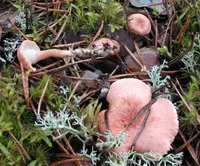
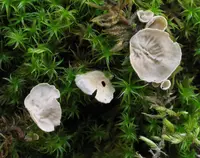
Aphroditeola olida is a small, ground-dwelling fungus rather than a leafy houseplant. It forms soft, pinkish to coral fruiting bodies that often appear in clusters on forest floors. The surface is usually smooth to slightly wrinkled, giving it a distinctive, cushion-like look.

This species is native to Australia and is typically found in moist, shaded woodlands, often among leaf litter or moss near native trees. Its dependence on cool, consistently damp, organic-rich habitats means it is not commonly cultivated, and how to care for Aphroditeola in home settings is still not well established.

In nature it favors dappled light, moderate moisture, and well-drained, humus-rich soils, similar to a healthy forest floor microclimate.


Main Plant Requirements

Care Difficulty

Moderate Care

Light Preference

Partial Shade

Water Requirements

Moderate Water

Temperature Preference

Cool Climate

Hardiness Zone

8–10

Soil Texture

Sandy, Loamy, Organic-rich

Soil pH

Acidic (5.5–6.5)

Soil Drainage

Moist but well-drained

Fertilization

Minimal (feed rarely)

Get Personalized Care Plan

Scan your plant to receive care tips personalized for your specific plant

Available on iOS and Android

How to Care for the Aphroditeola

This South African woodland fungus prefers soft, filtered light that mimics a bright forest edge.

  • Provide 3–5 hours of gentle morning sun with dappled or bright indirect light for the rest of the day, avoiding harsh midday exposure.
  • Allow light partial shade, especially in hotter regions; excessive direct afternoon sun can dry the substrate and scorch the fruiting bodies.
  • In summer, use filtered light under shrubs or light tree canopy; in cooler months, slightly more open exposure supports reliable fruiting of Aphroditeola.
  • ,

This species needs consistently moist but never waterlogged conditions to develop healthy mycelium and fruiting bodies.

  • Water when the top 2–3 cm of the substrate or soil surface feels just starting to dry, aiming to keep the root zone evenly moist.
  • Use a very free-draining, humus-rich medium and avoid standing water, which causes sour smells, mold, or collapse of developing mushrooms.
  • Reduce watering frequency in cooler seasons while still preventing complete drying; pale, shriveling caps suggest underwatering, while slimy, rotten bases indicate excess moisture.
  • ,

Stable, cool to mild temperatures support reliable growth and fruiting for this scented fungus.

  • Aim for an active growth range of 55–68°F (13–20°C), which suits the natural woodland habitat of Aphroditeola olida.
  • Protect from hard frost; short dips near 32°F (0°C) may be survived in the soil, but repeated freezing can damage mycelium and reduce future fruiting.
  • In warm spells above 77–82°F (25–28°C), shade and increased humidity are important, as hot, dry conditions quickly halt fruiting and dry the substrate.
  • ,

This species prefers moderately moist air but usually copes with typical indoor humidity.

  • Aim for 40–60% humidity, avoiding very dry heated rooms for prolonged periods.
  • Dry leaf tips, slower growth, and slightly curling foliage indicate humidity stress.
  • Increase humidity with a nearby water tray, grouping plants, or a small humidifier rather than frequent misting.

Aphroditeola olida prefers loose, well-drained, humus-rich soil that never stays waterlogged.

  • Use a mix of loam with 30–40% compost or leaf mold to provide organic matter and moderate moisture retention.
  • Improve drainage by blending in coarse sand or fine grit, especially in heavier garden soils.
  • Aim for slightly acidic to neutral pH around 6.0–7.0 for balanced nutrient availability.
  • Avoid compacted clay, peat-heavy mixes that stay soggy, or sites where water pools after rain.

This species can be grown successfully in containers when drainage and root space are managed carefully.

  • Choose a pot just deep enough for its fibrous roots, as overly deep containers hold excess moisture in the lower zone.
  • Select a free-draining mix and ensure the pot has open drainage holes so water leaves within a few seconds of watering stopping.
  • Use a heavier or wider-base container outdoors to prevent wind from tipping over the plant as foliage fills out.

This small terrestrial fungus from eastern Australia grows naturally in lean soils and usually needs no fertilizer in gardens or woodland settings.

Pruning needs for Aphroditeola olida are minimal and mostly cosmetic in garden or woodland settings.

  • Tidy in late summer or after fruiting by removing spent fruiting bodies and any obviously decayed above-ground tissue.
  • Use clean gloves or a small knife to lift decomposing material, disturbing the surrounding leaf litter as little as possible.
  • Avoid cutting or disturbing the underground mycelium network, which is the true body of the fungus and essential for long-term health.

This fungus is best maintained in the ground or in naturalistic woodland beds rather than as a container specimen.

  • Transplant only if a colony must be relocated, for example before soil disturbance or construction.
  • Move material in late autumn or early winter, transferring intact clumps of soil containing the mycelium to a similar shaded, well-drained site.
  • Minimize root-zone stress by keeping the soil block unbroken, moist, and shaded during the move.
  • Avoid frequent disturbance; once transplanted, leave the area undisturbed so the mycelium can re-establish.

Propagation of Aphroditeola olida is slow and depends on spores and gradual spread of the underground mycelium rather than typical garden techniques.

  • Encourage natural spore dispersal by allowing mature fruiting bodies to age and break down in place.
  • Create suitable conditions for colonization with consistently moist, well-drained, humus-rich soil and partial shade.
  • When moving colonies, transfer chunks of colonized soil to new but similar sites, keeping them intact and evenly moist.
  • Avoid fungicides and heavy soil disturbance, which can disrupt mycelial growth and reduce new colony formation.

In its suitable climate range, this fungus is broadly cold tolerant and typically requires little specific winter care.

  • Maintain a loose layer of leaf litter or mulch over the site to insulate the mycelium and conserve moisture.
  • Avoid deep digging or raking in winter, which can damage the underground network.
  • For container-style displays, keep the substrate moist but not waterlogged and shelter from repeated freeze–thaw cycles.

Care Tips

Cool-season management

Mark a calendar reminder to reduce watering and fertilizer as night temperatures rise above 65°F, since this cool-climate fungus prefers an autumn–winter growth cycle and benefits from a drier, low-nutrient rest period in late spring and summer.

Mycelium-friendly handling

When inspecting or lifting the substrate, support clumps from beneath and avoid breaking apart the white mycelial mat, since intact mycelium recovers and fruits more reliably than fragments.

Targeted ventilation

Use a small fan on a low, indirect setting to gently move air across the culture surface, which helps prevent fungal competitors and reduces the risk of bacterial soft spots without drying the substrate completely.

Clean tool protocol

Disinfect knives, pins, and any tools used on the culture with isopropyl alcohol before each use to limit contamination that can outcompete Aphroditeola and suppress fruiting.

Observation-based thinning

If several dense fruiting clusters appear, remove the weakest or most crowded ones early with a sterile tool so that remaining clusters have better access to air and nutrients, a technique that supports more even, sustained production when growing Aphroditeola.

Common Pests and Diseases

Fungus gnat larvae

This pest targets the moist, organic-rich soil around the corms and fine roots, where larvae feed on decomposing matter and tender root tissue. Symptoms include slow, weak growth, wilting in persistently wet mixes, and small black flies hovering over pots or trays.

Solution

Allow the potting mix to dry slightly between waterings, avoid standing water in trays, and use a free-draining, gritty medium around the corms. Apply yellow sticky traps for adult gnats and, if needed, use a biological control such as Bacillus thuringiensis israelensis (BTI) drenches to reduce larvae populations while maintaining good hygiene around propagation areas.

Bulb mites

This pest attacks stored or resting corms, tunneling into the tissue and increasing the risk of secondary fungal infection. Symptoms include soft spots, corky pits, or shriveling of corms, often noticed when lifting or replanting them.

Solution

Inspect corms carefully at lifting time, discarding any with soft or brown internal tissue, and keep only firm, clean material. Store corms dry in well-ventilated, cool conditions, avoid old or contaminated potting mix, and if infestation is suspected, wash corms, dry thoroughly, and replant into fresh, sterilized medium while rotating storage locations to reduce carryover.

Botrytis blight

This disease is favored by cool, humid conditions and poor air circulation around dense clumps. Symptoms include water-soaked spots on leaves and flower stalks that quickly develop gray, fuzzy mold, leading to collapse of affected tissues.

Solution

Remove and dispose of all affected foliage and spent flower stems, avoiding overhead watering and crowded plantings. Improve airflow, water at soil level in the morning so plants dry quickly, and in persistent cases use a registered fungicide labeled for Botrytis on ornamentals, following label directions carefully as part of broader Aphroditeola olida care.

Interesting Facts

Native Tasmanian origins

This species is native to cool, wet forests in Tasmania, where it typically fruits in mossy, shaded sites on the ground rather than on wood.

Sweet anise scent

When crushed, the fresh fruit bodies release a distinct sweet, anise-like odor, which is unusual among agaric fungi and helps with field identification.

Pink coral-like gills

The mushroom forms a small pink cap with crowded, forked gills that give a finely coral-like appearance underneath, a feature that once led to its placement in a different genus based on morphology alone.

Botan icon

Did you know?

Aphroditeola olida was long misclassified in the genus Gerronema until DNA-based phylogenetic studies showed it was distinct enough to warrant its own monotypic genus, meaning Aphroditeola currently contains only this single described species.

FAQs about Aphroditeola

This species usually fruits in autumn, producing coral-pink, coral-shaped mushroom clusters with a strong sweet, candy-like scent. The aroma is more noticeable in humid, still air and helps distinguish it from similar pink fungi.

Grow Healthy Plants with Botan Care

Keep your plants happy and healthy with plant identification, disease detection, and easy care guidance.

Botan plant care app — identify plants on mobile

Explore More Plants