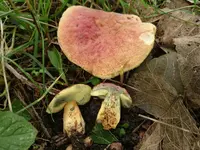
Willow Bracket Care (Phellinus igniarius)

Willow Bracket

About Willow Bracket

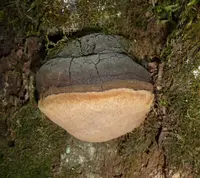
Willow bracket, Phellinus igniarius, is a perennial wood-decay fungus rather than a typical leafy plant. It forms hard, hoof-shaped brackets that are firmly attached to trunks and branches.

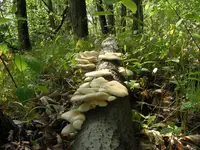
In nature it occurs mainly on willows and other broadleaf trees in temperate regions of Europe, Asia, and North America. The fruiting bodies are woody, dark brown to almost black, with a layered interior and a yellowish to brown pore surface beneath.

Because it is a parasite and decomposer of living or dead wood, it is not practical to grow or care for Willow Bracket like a houseplant. In cultivation, it appears only where suitable host trees, shade, and consistent moisture are present.


Main Plant Requirements

Care Difficulty

Moderate Care

Light Preference

Partial Shade

Water Requirements

Regular Water

Temperature Preference

Cool Climate

Hardiness Zone

3–7

Soil Texture

Loamy, Silty, Organic-rich

Soil pH

Slightly acidic (6.5–7.0), Neutral (7.0)

Soil Drainage

Moist but well-drained

Fertilization

Minimal (feed rarely)

Get Personalized Care Plan

Scan your plant to receive care tips personalized for your specific plant

Available on iOS and Android

How to Care for the Willow Bracket

This wood-decay fungus grows on trunks in outdoor conditions and handles a range of shade levels.

  • Provide bright dappled light or light shade, with 2–4 hours of gentle morning sun and protection from harsh afternoon sun where possible.
  • It tolerates deep shade under a forest canopy, but fruiting bodies of Willow Bracket form more robustly with some indirect light.
  • Avoid exposing host trees to sudden full-sun clearance; gradual thinning reduces bark and fungal tissue stress from sudden UV and heat increases.

Phellinus igniarius naturally grows on living or dead wood and does not need direct watering once established.

  • Rely on natural rainfall and ambient humidity; the supporting tree or log should not sit in standing water, which encourages competing rot and root decline.
  • In managed sites, ensure surrounding soil drains well; water nearby ground only when top 3–5 cm are dry to reduce chronic saturation around roots.
  • Signs of excess moisture stress include sour smell, softening or collapse of nearby bark, and increased secondary fungal growth around the brackets.

This species is adapted to temperate climates with cold winters and mild to warm summers.

  • Optimal activity occurs around 50–75°F (10–24°C), typical of many temperate woodland seasons on hardwood hosts.
  • Fruiting bodies tolerate winter cold down to about 5–15°F (-15–-9°C) once formed, but extended exposure below this can crack or distort older brackets.
  • Sustained heat above 90°F (32°C), especially with drought, can slow growth and dry exposed tissue; maintaining tree health and some canopy shade limits heat stress.

This wood-decay fungus is not suitable for humidity control or typical indoor cultivation, so active humidity management is unnecessary.

This wood-inhabiting fungus develops on dead or stressed hardwood rather than in conventional potting soil.

  • It colonizes dense, moist, lignin-rich wood, so replicating its natural substrate involves using hardwood logs instead of any loamy or sandy mix.
  • The fungus exploits wood with uneven internal drainage, tolerating localized moisture pockets but not waterlogged, submerged conditions.
  • It usually develops in slightly acidic to neutral wood (roughly pH 5.5–7.0), similar to many temperate willow and poplar hosts.
  • When using cut logs for observation or research on Phellinus igniarius, avoid treatments like preservatives, paint, or sealants that block fungal penetration and gas exchange.

This species is not realistically suited to standard container growing, as it is a wood-decay fungus that requires intact hardwood rather than potting media.

Phellinus igniarius is a wood-decaying bracket fungus that normally does not require intentional fertilizing in gardens or natural settings.

Phellinus igniarius forms hard, perennial brackets on host trees, and intentional pruning is generally unnecessary for the fungus itself.

This bracket fungus is not managed as a potted or transplanted organism; it naturally colonizes living or dead wood and is usually left undisturbed.

  • Because it grows directly on trunks or logs, Willow Bracket is not suited to standard container culture or routine transplanting.
  • If removal is needed for tree management, treat it as tree surgery rather than transplanting the fungus itself.
  • Use sharp, disinfected saws or chisels if brackets must be cut away, and dispose of infected wood to limit further spread.

Intentional propagation of Phellinus igniarius is rarely performed in home or garden settings and is best left to specialist mycological work.

This species is highly cold hardy and generally requires no specific winter care from gardeners or land managers.

Care Tips

Select host material

Choose dense, untreated hardwood logs or large branches (such as willow, poplar, or birch) with intact bark and no existing fungal decay, since healthy but freshly cut wood provides the most reliable substrate for growing Willow Bracket.

Control moisture in logs

After inoculation, keep logs evenly moist but not saturated by placing them in shaded outdoor conditions and watering the surrounding ground instead of the wood directly to prevent competing molds from colonizing the surface.

Optimize log placement

Stand or lean inoculated logs at a slight angle rather than laying them flat on soil, which reduces water pooling, improves air circulation, and limits contact with soil-borne fungi that can outcompete your inoculum.

Delay bark removal

Leave bark intact during colonization to protect the internal wood from rapid drying, only stripping small inspection windows if needed to monitor mycelium spread without exposing large areas.

Schedule sanitation checks

Inspect logs every 1–2 months to remove any obviously contaminated sections, such as areas with brightly colored molds or soft rot, using clean tools to prevent unwanted fungi from overtaking the desired colony.

Common Pests and Diseases

Competing wood-decay fungi

This disease involves other wood-decay fungi colonizing the same dead or living wood, leading to changes in the normal hoof-shaped fruiting bodies and slower growth. Symptoms include irregular, misshapen brackets, patchy or discolored pore surfaces, and areas where the conk seems partly overgrown by another fungus.

Solution

Remove and destroy fruiting bodies that show heavy overgrowth to reduce spore load, and avoid injuring or cutting host trees in a way that exposes large fresh wounds. In managed landscapes, keep host trees healthy with proper watering, mulching, and pruning so that they compartmentalize wounds more effectively and are less easily invaded by competing decay fungi before or alongside Phellinus igniarius.

Wood-boring beetles

These insects tunnel through the dead wood that supports the conks and may burrow into the fruiting bodies themselves, leaving fine sawdust (frass) and small holes. This can weaken brackets, cause pieces to break off, and interfere with normal spore production.

Solution

Prune and properly dispose of heavily infested dead branches or logs that host both the fungus and the beetles, and store any collected conks for study or display in a dry, well-ventilated place to discourage further beetle activity. In outdoor settings, reducing piles of damp, untreated timber near the host tree limits breeding habitat for wood-boring beetles that otherwise move into the same substrates used for growing Willow Bracket.

Soft rot and bacterial decay

This disease develops when opportunistic soft-rot fungi or bacteria attack the tissue of older brackets, especially in very damp, shaded conditions. Symptoms include soft, water-soaked patches, foul odor, and rapid collapse of sections of the conk.

Solution

Improve airflow and reduce prolonged wetness around the host tree or display area by avoiding constant overhead irrigation and dense crowding of plants or objects. Remove and discard brackets that have turned soft or foul-smelling, and if brackets are being kept for observation indoors, maintain drier conditions around them and avoid misting or soaking the fungal tissue.

Interesting Facts

Obligate wood pathogen

This fungus is an obligate parasite of living hardwoods, especially willows and poplars, where it causes a characteristic white heart rot in the central wood.

Perennial hoof-shaped brackets

Its fruiting bodies are extremely long-lived and add a new tube layer each year, creating tough, hoof-like brackets that can persist on trunks for many years.

Historical tinder source

The dense, corky flesh was historically processed and used as tinder for starting fires, contributing to the common name willow bracket.

Botan icon

Did you know?

Genetic and morphological studies have shown that material long referred to as Phellinus igniarius in Europe actually represents several distinct species, so some older records for this name are now considered misidentified.

FAQs about Willow Bracket

Growth is slow and incremental. New layers of woody brackets form over many years as it decays the host. Size increase depends on host vitality, trunk moisture, and climate; cooler, moist regions support steadier expansion.

Grow Healthy Plants with Botan Care

Keep your plants happy and healthy with plant identification, disease detection, and easy care guidance.

Botan plant care app — identify plants on mobile

Explore More Plants