aspen oyster mushroom Care (Pleurotus populinus)

aspen oyster mushroom

About aspen oyster mushroom

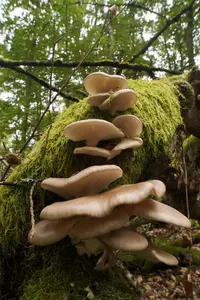
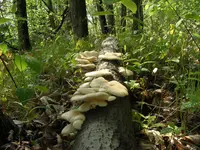
The aspen oyster mushroom, Pleurotus populinus, is a wood-decaying fungus rather than a traditional leafy plant. It forms layered clusters of fan-shaped caps on dead or dying aspen and related poplar trees.

Caps are usually pale cream to light brown with white gills and a short, often off-center stem. It typically appears in cool to mild seasons in North America, especially in mixed forests with plenty of aspen.

This species grows relatively easily on the right wood but depends on adequate moisture and good air circulation. Understanding how to care for aspen oyster mushroom starts with stable humidity, indirect light, and a clean, lignin-rich substrate such as hardwood logs or sterilized sawdust.

Main Plant Requirements

Care Difficulty

Moderate Care

Light Preference

Partial Shade

Water Requirements

Keep Soil Moist

Temperature Preference

Cool Climate

Hardiness Zone

Unknown

Soil Texture

Organic-rich, Loamy

Soil pH

Acidic (5.5–6.5), Slightly acidic (6.5–7.0)

Soil Drainage

Moist but well-drained

Fertilization

Minimal (feed rarely)

Get Personalized Care Plan

Scan your plant to receive care tips personalized for your specific plant

Available on iOS and Android

How to Care for the aspen oyster mushroom

Pleurotus populinus needs shaded, forest-like light levels that protect its fruiting bodies from direct sun.

  • Provide bright shade or dappled light similar to an aspen woodland, with at most 1–2 hours of weak early-morning sun and no harsh midday or afternoon sun.
  • Aim for locations with indirect light 6–10 hours per day; strong, direct sun quickly dries substrate and can scorch developing caps.
  • In summer, increase shade or use shade cloth; in cooler seasons, allow slightly brighter indirect light to compensate for lower ambient intensity.

Water management for Pleurotus populinus focuses on steady moisture in the substrate rather than a fixed calendar schedule.

  • Maintain the log or substrate consistently moist but never waterlogged; surfaces should feel damp to the touch without standing water or a sour smell.
  • Irrigate when the outer 1–2 cm feel just barely damp, using gentle soaking or misting so water penetrates slowly instead of running off.
  • Reduce watering during cool, wet weather and increase light misting during hot, dry, or windy periods; dry, cracked surfaces or shriveled pins indicate underwatering, while slimy growth and strong odors suggest excess moisture.

This species fruits best in cool to mild conditions that mimic early summer forest temperatures.

  • Target 55–70°F (13–21°C) for active growth and fruiting, with the most reliable flushes around 60–65°F (16–18°C).
  • Tolerates brief drops to about 32°F (0°C) but fruiting bodies are easily damaged by frost, so protect exposed logs from freezing nights when possible.
  • Above 75°F (24°C) mycelium stress and drying increase; above 80°F (27°C) fruiting usually declines, so provide shade and good air movement during hot spells.

High, stable humidity is essential during active growth and fruiting.

  • Maintain 85–95% humidity around developing clusters to prevent caps from cracking or drying.
  • Tolerates only brief drops to 70–80% before pins abort or stems elongate and become tough.
  • Watch for curled cap edges, slowed pin formation, or yellowing tissue as signs of low humidity stress.
  • Increase humidity with a covered fruiting chamber, frequent fine misting of walls, and a humidifier placed outside direct airflow.

This fungus does not use soil and instead requires a structured lignocellulosic substrate.

  • Use pasteurized hardwood-based substrate such as aspen or poplar sawdust mixed with 20–40% hardwood chips for structure.
  • Ensure the substrate drains free water yet stays evenly moist; it should feel damp and springy, not soggy or compacted.
  • Keep pH slightly acidic to neutral (pH 5.5–7.0), adjusting with agricultural lime only if the base material is very acidic.
  • Avoid garden soil, heavy clay, or sand, which block air and promote contamination rather than supporting Pleurotus populinus colonization.

This species is well suited to container cultivation in bags, buckets, or small tubs.

  • Drill side holes in buckets or tubs at fruiting height so mushrooms emerge where humidity and airflow balance well.
  • Choose rigid containers that hold shape under substrate weight to prevent internal compaction and poor gas exchange.
  • Fill containers only 60–80% full so the remaining headspace supports air movement and reduces carbon dioxide buildup around developing clusters.

Pleurotus populinus grown on logs or straw-based substrates needs nutrient-balanced material rather than traditional houseplant fertilizer.

  • Use a supplemented substrate with balanced nutrition, such as pasteurized straw or hardwood sawdust enriched with a complete mushroom nutrient mix.
  • Avoid heavy garden compost or high-salt fertilizers, which can inhibit mycelium growth and contaminate the culture.
  • During active colonization and fruiting, maintain substrate quality and moisture instead of adding liquid fertilizer to the block or log.
  • Do not feed during spent or dormant phases; discard or compost exhausted substrate rather than trying to refresh it with fertilizer.

Pleurotus populinus does not require traditional pruning, but harvest management influences flush quality and hygiene.

  • Harvest whole clusters at the base when caps are well developed but still slightly curled, using a clean, sharp knife.
  • Remove any waterlogged, moldy, or insect-damaged fruiting bodies promptly to limit contamination of the substrate.
  • Thin very dense clusters by cutting out smaller or misshapen mushrooms to improve airflow and reduce bacterial blotch.
  • After each flush, trim leftover stem bases from the block or log surface to keep it clean and ready for the next flush.

As a wood-inhabiting fungus, Pleurotus populinus is not repotted like a houseplant but is moved or established on fresh substrate when productivity declines.

  • Plan to replace or re-inoculate logs or blocks once yields drop noticeably over several flushes, as this signals substrate exhaustion.
  • Best timing for starting new substrate is early spring or early fall, when temperatures are mild and colonization is faster.
  • When shifting a colonized block to a new fruiting location, handle gently to avoid cracking the substrate and stressing the mycelium.
  • Provide stable humidity and indirect light in the new position, and avoid sudden temperature swings to help the colony resume normal fruiting.

Aspen oyster mushroom is propagated by mycelium rather than by seeds, using clean culture techniques to maintain vigor and avoid contamination.

  • Most growers start with commercial grain spawn, then inoculate pasteurized straw, hardwood sawdust, or aspen logs.
  • Inoculate in spring or fall, keeping substrate at 60–75°F with high humidity and low light for steady colonization.
  • Work in a clean area, sanitizing tools and containers to reduce bacteria and mold that compete with Pleurotus populinus.
  • Seal or cover inoculated substrate loosely to retain moisture yet allow gas exchange, then open more fully once pins appear.

Outdoor Pleurotus populinus on logs tolerates cold well and usually needs minimal winter care in temperate climates.

  • Expect fruiting to slow or pause below about 40°F, with mycelium remaining alive inside the wood or substrate.
  • In very cold regions, stack inoculated logs in a sheltered, shaded spot and apply a light mulch of leaves around the base.
  • For container fruiting blocks, move them to a cold but frost-free space to prevent repeated freeze–thaw damage to the substrate.

Care Tips

Rotate Fruiting Bags

Turn or shuffle your fruiting blocks or bags every 1–2 flushes so that fresh edges are exposed to air and light, which promotes more even pin formation and reduces the risk of one side drying out or molding.

Staggered Inoculation Batches

Start several small batches of substrate 5–7 days apart rather than one large batch so that if contamination appears in one run you still have clean, productive blocks in other stages of development.

Use Clean Harvest Technique

Twist clusters off gently at the base and trim leftover stem tissue flush with a clean knife to reduce rot on the block surface and extend the number of healthy flushes.

Targeted Fresh Air Flow

Provide gentle, indirect airflow across but not directly at the fruiting blocks to remove excess CO₂ and prevent long leggy stems without overly drying the caps.

Monitor Substrate Weight

Lift or weigh blocks regularly and rehydrate only when noticeably lighter, using a measured soak or heavy mist, which gives a more consistent yield pattern when growing aspen oyster mushroom.

Common Pests and Diseases

Green mold (Trichoderma)

This disease appears as fast-spreading green patches on the substrate or on mushroom blocks, often outcompeting the mycelium and reducing yields.

Solution

Remove and discard heavily contaminated blocks, isolate any mildly affected ones, improve air exchange, and reduce excess moisture; thoroughly clean and disinfect the growing area and equipment before starting a new batch, as part of consistent aspen oyster mushroom care instructions.

Bacterial blotch

This disease causes yellow to brown, greasy-looking spots or streaks on caps, especially under conditions of high humidity and poor air movement.

Solution

Lower humidity slightly, increase fresh air exchange, avoid overhead misting directly on caps, and remove severely affected mushrooms; disinfect surfaces and tools to reduce bacterial spread before the next flush.

Fungus gnats

These insects are small, dark flies whose larvae feed in the moist substrate, damaging mycelium and creating entry points for secondary infections.

Solution

Use fine mesh screens on inlets, sticky traps for adults, and reduce standing water; for persistent problems, apply a biological control such as Bacillus thuringiensis israelensis (BTI) to the substrate according to label directions.

Mites

This pest can appear as tiny moving dots on substrate and mushroom surfaces, sometimes causing deformed or stunted fruit bodies and spreading contaminants.

Solution

Discard heavily infested blocks, improve sanitation, and vacuum or wipe surfaces to remove mites; in larger setups, use heat treatment of empty rooms and consider introducing predatory mites compatible with mushroom production.

Cobweb disease (Cladobotryum)

This disease shows as fast-growing, gray to white, cobweb-like fungal growth that covers casing or substrate and can quickly overrun pins and young mushrooms.

Solution

Immediately remove and bag infected material, increase fresh air and slightly lower humidity, and spot-treat remaining areas with a 1–2% hydrogen peroxide solution; clean walls, shelves, and tools after the cycle to prevent reinfection.

Interesting Facts

North American specialist

This oyster mushroom is native to North America and occurs almost exclusively on living or dead poplars and aspens, especially trembling aspen, rather than on the broader range of hardwoods used by other oyster species.

Summer fruiting window

Unlike many related oyster mushrooms that peak in cool spring or autumn conditions, this species typically fruits in late spring through summer, often appearing during warm weather when other oyster species are scarce.

Short-lived fruiting bodies

The caps develop and mature quickly on aspen logs and are often heavily attacked by insects within days, so intact, fresh fruiting bodies are usually found only for a very short period in each fruiting cycle.

Botan icon

Did you know?

This species is part of a cryptic species complex with other oyster mushrooms on hardwoods, and field identification often relies on its strict association with aspen/poplar hosts and its summer fruiting pattern, while genetic studies are used to clearly separate it from similar-looking relatives.

FAQs about aspen oyster mushroom

This species is considered a good edible mushroom when properly identified and cooked. It must be collected from clean, uncontaminated wood, never from trees exposed to heavy traffic, treated lumber, or industrial pollution. Avoid eating raw specimens.

Grow Healthy Plants with Botan Care

Keep your plants happy and healthy with plant identification, disease detection, and easy care guidance.

Botan plant care app — identify plants on mobile

Explore More Plants