Cramp Balls Care (Annulohypoxylon thouarsianum)

Cramp Balls

About Cramp Balls

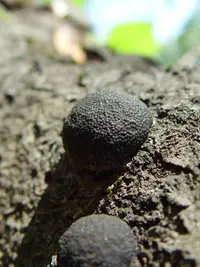
Cramp balls (Annulohypoxylon thouarsianum) is a wood-decay fungus, not a typical leafy plant. It forms hard, round to irregular black lumps on dead hardwood, especially beech and oak. The surface is usually rough and charcoal-like.

This species is saprobic, meaning it feeds on dead wood and helps break it down. It prefers cool to mild climates and shaded, damp woodland environments.

Because it relies on rotting wood, it is not suited to standard pot culture, and even experienced growers find it difficult to maintain. Most guides on how to care for Cramp Balls focus on providing fresh, untreated hardwood and stable, moist, shaded conditions outdoors or in specialized setups.

Main Plant Requirements

Care Difficulty

Moderate Care

Light Preference

Partial Shade

Water Requirements

Moderate Water

Temperature Preference

Warm Climate

Hardiness Zone

Unknown

Soil Texture

Loamy, Organic-rich

Soil pH

Acidic (5.5–6.5)

Soil Drainage

Moist but well-drained

Fertilization

Minimal (feed rarely)

Get Personalized Care Plan

Scan your plant to receive care tips personalized for your specific plant

Available on iOS and Android

How to Care for the Cramp Balls

Annulohypoxylon thouarsianum develops best on shaded, decaying wood with only limited direct sun exposure.

  • Provide dappled or filtered light, such as under a tree canopy or along a north- or east-facing woodland edge receiving 1–3 hours of weak morning sun.
  • Protect Cramp Balls from strong midday and afternoon sun, which can dry the substrate and slow fruiting; use leaf litter or nearby vegetation as natural shading.
  • In summer, ensure consistent shade as overhead foliage thickens; in winter, when trees are bare, choose sites that still avoid harsh, all-day direct sun.

Water conditions for Annulohypoxylon thouarsianum focus on keeping its woody substrate evenly moist, not saturated.

  • Aim for consistently damp wood or bark; if the surface feels dry and light and cracks appear, increase moisture through gentle soaking or regular rainfall.
  • Provide excellent drainage around the log or stump so excess water runs off; standing water or swampy soil promotes competing fungi and bacterial rot.
  • In hot, dry periods, monitor every few days for shrinking or hardening fruiting bodies; in cool, wet seasons, reduce supplemental watering to avoid waterlogged substrate.

This fungus prefers cool to mild woodland temperatures and is sensitive to prolonged freezing or intense heat.

  • Optimal development occurs around 50–70°F (10–21°C), typical of shaded forest microclimates with stable, moderate conditions.
  • It tolerates short dips to about 25°F (-4°C) on dormant fruiting bodies, but repeated hard freezes below this can damage tissue and reduce future production.
  • Sustained heat above 86°F (30°C), especially with low humidity, can dry the substrate; use shade, ground cover, and organic mulch to buffer temperature swings.

This wood-inhabiting fungus tolerates a wide humidity range but fruits best in consistently moist air.

  • Aim for 60–85% humidity around developing stromata, especially in sheltered, shaded sites.
  • Cramp Balls tolerate brief drier spells, but prolonged air below 40% can slow or distort fruiting bodies.
  • Signs of humidity stress include cracked or shriveled balls and stalled development on wood surfaces.
  • Increase humidity by positioning colonized wood near damp leaf litter, mossy logs, or a shaded water feature.

This species colonizes dead wood rather than mineral soil, but substrate conditions still influence growth and fruiting.

  • Annulohypoxylon thouarsianum prefers well-rotted hardwood logs or branches with spongy, fibrous structure instead of compact soil.
  • Maintain free drainage around the wood so water does not pool; excess standing water promotes competing fungi and decay patterns that inhibit fruiting.
  • A slightly acidic environment, roughly pH 5.0–6.5, is typical of leaf litter and decaying hardwood and supports stable mycelial growth.
  • Improve aeration and moisture balance by resting logs on coarse bark, wood chips, or gravel so air can move around the substrate while surfaces stay evenly damp.

This fungus is only moderately suitable for container growing because it depends on decaying wood rather than conventional potting media.

  • Use a sturdy, ventilated box or drilled tub that allows air circulation around wood pieces while preventing water from pooling at the base.
  • Pack hardwood logs or chunks loosely so mycelium can move through air gaps, avoiding tightly stacked or compressed wood that limits gas exchange.
  • Choose opaque or thick-walled containers to buffer temperature and surface drying, keeping internal wood moisture more stable during outdoor fluctuations.

This fungus develops on decaying wood and typically gains all needed nutrients from its substrate, so extra fertilizer is not required for healthy growth when caring for Cramp Balls.

Pruning is generally unnecessary for Annulohypoxylon thouarsianum because it fruits on already dead wood rather than living plant tissue.

This species is usually left on naturally fallen or cut wood and is not suited to conventional repotting.

  • If grown on a display log, replace the wood only when it becomes excessively decayed, unstable, or visually undesirable.
  • Choose fresh, untreated hardwood sections and keep moisture conditions similar to the old piece to reduce stress on existing fungal tissue.
  • Move colonized wood gently, avoiding impacts that might crack or break the substrate and disrupt fruiting bodies.
  • Transplant outdoor pieces during mild, stable weather to limit sudden changes in humidity and temperature.

Propagation of Annulohypoxylon thouarsianum is specialized and not typically attempted by home growers.

This wood-decay fungus is naturally cold hardy in its native range and usually needs no special winter care.

Care Tips

Use Host Branches

Establish this fungus on already-dead hardwood branches with intact bark, as it colonizes more reliably on firm, undecayed wood than on punky or crumbly logs.

Control Moisture Pulses

Rotate several small hardwood logs or branches between a shaded, moist area and a more ventilated spot, which prevents constant saturation and reduces competing mold growth while still supporting fruiting.

Limit Substrate Movement

Once colonized sclerotia have formed on a branch, avoid frequent handling or knocking the wood, since repeated disturbance can damage the hardened structures and interrupt regular spore production.

Manage Competing Fungi

Remove branches that show heavy, faster-growing bracket fungi or soft rot and replace them with fresh hardwood pieces so the colony is not quickly overrun by more aggressive decomposers.

Monitor Air Circulation

Arrange colonized logs in a loose stack or rack with air gaps between pieces, which keeps the surface drier and cleaner and makes caring for Cramp Balls more predictable over time.

Common Pests and Diseases

Mite infestation

This pest sometimes colonizes the dry, woody fruiting bodies, feeding on surface fungal tissue and spores. Symptoms include fine webbing in crevices, dull or powdery surfaces, and slow deterioration of the stromata clusters.

Solution

Remove and discard heavily colonized fruiting bodies to reduce the local mite population, then keep surrounding organic debris tidy and limit very dry, stagnant conditions. In enclosed displays or terraria, improve airflow and, if needed, use a targeted, low-toxicity miticide on surrounding non-fungal materials, avoiding direct spray on the fruiting structures to preserve their form.

Fungivorous beetles

These insects occasionally bore into the hardened stromata to feed, leaving small round exit holes and frass-like dust. This damage can disfigure decorative specimens and accelerate decay of older clusters.

Solution

Manually remove and dispose of badly bored pieces and reduce nearby decaying wood piles that attract beetles. For outdoor logs, maintain moderate airflow and avoid long-term storage in damp, shaded, cluttered corners; for indoor decorative displays, inspect periodically and seal clean, dry pieces in breathable containers or display cases to limit beetle access.

Competing saprotrophic fungi

This disease pressure comes from other wood-decaying fungi that colonize the same substrate, sometimes overgrowing or displacing existing stromata. Symptoms include new patches of different-colored mold, crusts, or bracket fungi on or near the colonies.

Solution

Cut away and discard heavily overgrown wood pieces, keeping only sections where the target fungus remains dominant and structurally sound. Store decorative wood in a relatively dry, well-ventilated place, avoid direct contact with soil or constantly damp surfaces, and periodically brush off loose mold growth to slow competitors and support stable Annulohypoxylon thouarsianum care instructions.

Mold and bacterial biofilm

This disease complex appears when stromata or their substrate are kept in overly humid, stagnant conditions, leading to fuzzy mold films or slimy patches on the surface. Symptoms include softening of the surrounding bark, discoloration, and musty or sour odor around the display.

Solution

Reduce ambient humidity and improve air circulation, then remove affected pieces or trim off softened, discolored areas. Allow remaining material to dry between misting or watering events, keep it off constantly wet surfaces, and clean nearby containers or terrarium glass with mild soapy water to remove residual biofilm sources.

Interesting Facts

Charcoal-like fruiting bodies

This fungus forms hard, black, charcoal-like stromata on dead hardwood, especially beech and oak, often persisting for years after the wood has fallen.

Successor to candle snuff

It commonly colonizes wood previously occupied by the fungus Xylaria hypoxylon, gradually replacing the earlier fruiting bodies as decomposition progresses.

Chemically well studied

Researchers have isolated multiple secondary metabolites from this species, including unique polyketides and phenolic compounds that are used as model molecules in fungal chemistry studies.

FAQs about Cramp Balls

This fungus is not suited to typical indoor conditions. It develops best outdoors on dead hardwood, especially fallen branches. Provide shaded, moist, well-ventilated environments that mimic natural woodland rather than trying Cramp Balls indoor care.

Grow Healthy Plants with Botan Care

Keep your plants happy and healthy with plant identification, disease detection, and easy care guidance.

Botan plant care app — identify plants on mobile

Explore More Plants