olive duster Care (Coniophora olivacea)

olive duster

About olive duster

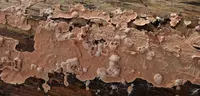
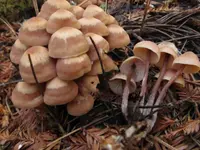
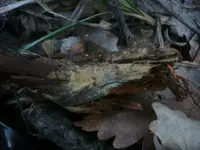
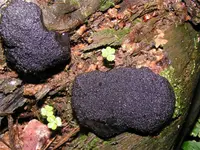
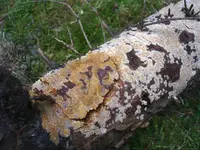
Coniophora olivacea, sometimes called olive duster, is a crust-like fungus rather than a typical leafy plant. It forms thin, patchy, olive to brown layers on wood surfaces.

This species naturally occurs on dead or decaying wood in forests and gardens, where it helps break down lignin and other woody materials. It usually stays close to the substrate, spreading as a flat, irregular film instead of forming stems or caps.

Because it is a wood-decay fungus, it is not grown as a decorative houseplant and is rarely managed intentionally. Gardeners who care for olive duster mainly focus on monitoring wood structures and keeping conditions from staying overly damp for long periods.

Main Plant Requirements

Care Difficulty

Moderate Care

Light Preference

Partial Shade

Water Requirements

Moderate Water

Temperature Preference

Warm Climate

Hardiness Zone

Unknown

Soil Texture

Loamy

Soil pH

Slightly acidic (6.5–7.0)

Soil Drainage

Well-drained

Fertilization

Minimal (feed rarely)

Get Personalized Care Plan

Scan your plant to receive care tips personalized for your specific plant

Available on iOS and Android

How to Care for the olive duster

This fungus prefers low to moderate indirect light that mimics shaded woodland conditions.

  • Provide dappled or filtered light, such as beneath shrubs or trees, avoiding direct midday sun that can dry the substrate too quickly.
  • Aim for 2–4 hours of soft morning sun or bright open shade; strong afternoon sun reduces moisture and can slow fruiting body development.
  • In summer, increased shade and stable moisture support consistent growth, while in winter weaker light is acceptable if the substrate remains slightly moist for olive duster.

Moisture management for Coniophora olivacea focuses on consistently damp, not waterlogged, substrate.

  • Keep the substrate evenly moist, allowing only the top 1–2 cm to begin drying before rewetting to avoid complete desiccation of the mycelium.
  • Use a well-drained but moisture-retentive medium; standing water or soggy conditions encourage bacterial problems and can suffocate fungal tissue.
  • In warm seasons, check moisture every 1–2 days; slowing growth, shrinking fruiting bodies, or cracking surfaces indicate dryness, while sour odor suggests excess water.

This species grows best in cool to mild conditions with stable, moderate temperatures.

  • Optimal growth generally occurs around 55–70°F (13–21°C), where enzymatic activity and substrate breakdown remain steady.
  • It tolerates brief drops near 40°F (4°C) but sustained exposure below freezing can damage mycelium and suppress future fruiting.
  • In hot periods above 80°F (27°C), shade, higher humidity, and consistent moisture limit stress, since combined heat and dryness can halt visible development.

This fungus does not have specific humidity needs in typical home conditions, so humidity control is usually unnecessary for olive duster.

Coniophora olivacea usually appears on decaying wood rather than in conventional potting soil, so standard houseplant soil preparation is not relevant.

  • This wood-decay fungus naturally colonizes damp, untreated structural wood or fallen logs rather than mineral soil or potting mixes.
  • It develops where wood remains consistently moist but not fully waterlogged, with access to air spaces in the wood structure.
  • Efforts to adjust pH, add compost, or improve drainage in soil do not provide meaningful control or cultivation benefits for this species.

This species is not suitable for deliberate container growing, as it is a wood-decay fungus rather than a typical potted plant.

This fungus occurs naturally on wood and soil and generally does not need supplemental feeding under garden or landscape conditions.

Pruning is not a routine cultural practice for Coniophora olivacea, since it behaves as a wood-decaying fungus rather than a shaped ornamental plant.

Transplanting is rarely relevant, as this species colonizes wood or soil substrates rather than growing as a conventional potted plant.

  • If removal is needed, focus on eliminating the colonized wood or debris instead of attempting to move the organism.
  • Schedule any structural work on infected timber during dry, mild weather to reduce spread of spores.
  • Bag and dispose of heavily colonized material to limit recolonization of nearby wood.
  • Avoid reusing contaminated wood or soil in new landscape or construction areas.

Deliberate propagation of this wood-decay fungus is generally not recommended or practised in home or landscape settings.

Specific winter care is unnecessary, as this fungus tolerates normal outdoor temperature fluctuations and persists in or on wood year-round.

Care Tips

Quarantine New Additions

Keep any new nearby plants isolated for 10–14 days and inspect them for fungus gnats, mites, or scale before placing them close, as stressed or infected neighbors can quickly introduce problems when growing olive duster.

Use Bottom-Air Circulation

Place a small, quiet fan on the lowest setting to move air gently across the soil surface for a few hours a day, which reduces fungal growth on the substrate and keeps the colony more stable.

Monitor With Sticky Traps

Set out yellow sticky cards at soil level to track fungus gnat and other flying pest populations early so that biological or mechanical controls can be applied before they disturb the fruiting bodies.

Clean Debris Strategically

Remove only loose, decaying organic material that is not colonized and leave actively colonized pieces in place, helping maintain a stable food source and microclimate for the organism.

Staggered Substrate Refresh

When renewing the substrate, replace only 25–50% of the material at a time every few months instead of all at once, so the organism adjusts gradually without a sudden shock to its established mycelial network.

Common Pests and Diseases

Wood-decay brown rot

This disease causes intensive brown rot of structural timber near or in contact with the fungal growth, leading to cubical cracking, shrinking, and loss of strength. Symptoms include dry, crumbly wood that breaks along regular cracks while the olive duster mycelium or crust may be visible on adjacent surfaces.

Solution

Remove and replace all structurally compromised wood, including a margin of apparently sound material around visibly decayed areas. Identify and eliminate moisture sources, improve ventilation, and maintain timber moisture below 18% to prevent further Coniophora olivacea plant care problems, optionally consulting a structural specialist for extensive infestations.

Secondary mold colonization

This disease involves other wood-decay or surface molds establishing on already damp, olive-duster–colonized materials, creating mixed fungal growth, discoloration, and surface powder or slime. Symptoms include musty odor, staining, and multiple textures or colors of fungal growth on the same substrate.

Solution

Dry the area thoroughly using dehumidification and airflow, physically remove contaminated, non-structural materials (such as damp insulation, cardboard, or soft furnishings), and clean remaining hard surfaces with detergent and water. Maintain low indoor humidity (30–50%) and good air circulation to discourage re-colonization.

Moisture-associated insect tunneling

These insects, such as wood-boring beetles, are attracted to moist, fungus-softened timber and may tunnel through areas already affected by olive duster decay. This pest activity produces fine frass, small exit holes, and further structural weakening.

Solution

First address the moisture and fungal problem by drying the structure and removing heavily decayed wood, then replace or isolate compromised elements. Where active insects are confirmed, use targeted, labeled borate-based wood preservatives or seek a licensed pest professional for localized treatment, combined with long-term moisture control.

Interesting Facts

Brown rot specialist

This species is a brown rot fungus that primarily decomposes the cellulose and hemicellulose in conifer wood, leaving behind a brittle, brown, cube-cracked residue of modified lignin.

Olivaceous fruiting body

Its fruiting bodies form thin, patchy crusts with a characteristic olive-brown to yellow-brown coloration, which gives the species its name and helps distinguish it from other Coniophora species.

Hidden building inhabitant

It is frequently encountered in damp structural timber in buildings, especially in poorly ventilated areas, and can gradually weaken wooden elements without producing large, conspicuous fruiting bodies.

FAQs about olive duster

Yes, this species can be raised from spores rather than true seeds, since it is a fungus. Collection and germination are specialized tasks, usually handled in laboratory or controlled culture rather than by home growers.

Grow Healthy Plants with Botan Care

Keep your plants happy and healthy with plant identification, disease detection, and easy care guidance.

Botan plant care app — identify plants on mobile

Explore More Plants