


Substrate depth control
Keep the organic substrate layer very thin (2–3 mm) on any test surface so the crust stays well-aerated and less prone to anaerobic rot or opportunistic molds during long-term Coniophora arida care.

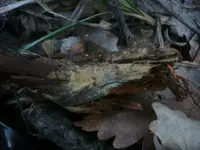
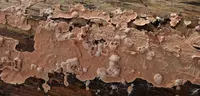
Dry duster, Coniophora arida, is a crust-like fungus rather than a leafy houseplant. It forms thin, spreading patches on wood or other organic material, often with a dusty or powdery surface. In nature it occurs in dry, sheltered places, typically on dead wood in arid or semi-arid regions. It plays a role as a decomposer, breaking down lignin and cellulose in wood. For anyone aiming to care for dry duster in cultivation, it generally prefers stable dryness, moderate air movement, and a consistent organic substrate rather than conventional potting soil.

Care Difficulty
Moderate Care

Light Preference
Partial Shade

Water Requirements
Moderate Water

Temperature Preference
Warm Climate

Hardiness Zone
Unknown

Soil Texture
Loamy

Soil pH
Slightly acidic (6.5–7.0)

Soil Drainage
Well-drained

Fertilization
Minimal (feed rarely)
Scan your plant to receive care tips personalized for your specific plant
Available on iOS and Android
Coniophora arida prefers bright, open conditions that mimic dry, sun-exposed habitats.
This species is adapted to arid conditions and prefers infrequent, conservative watering.
This species performs best in warm, dry climates with good tolerance of heat but limited cold hardiness.
This fungus copes with dry indoor air but grows best with controlled low to moderate humidity.
This species prefers very free-draining, low-organic substrates that stay dry between wetting events.
This species can be grown in containers when drainage and substrate stability are carefully controlled.
Coniophora arida grows on nutrient-poor substrates and generally does not benefit from routine fertilizing, so dry duster indoor care should avoid heavy feeding.
Pruning is not a standard practice for Coniophora arida, which behaves more like a crust fungus than a leafy plant.
Coniophora arida is typically a substrate-dwelling fungus rather than a potted ornamental, so transplanting focuses on moving colonized material, not classic repotting.
Propagation of Coniophora arida is specialized and usually limited to laboratory or culture settings rather than home growing.
No special winter care is needed for Coniophora arida, as this saprophytic fungus is not managed like a garden or houseplant.

Plant Health Check
Not sure what's wrong with your plant? Check your plant's health inside the app.
This species is typically found on very dry, often indoor structural timber rather than on freshly fallen wood, reflecting a strong adaptation to low moisture environments compared to many other brown-rot fungi.
It is a brown-rot fungus that primarily degrades cellulose and hemicellulose in wood while leaving modified lignin behind, which causes the characteristic brown, crumbly, and cube-like cracking pattern of damaged timber.
Reports most often place this fungus in buildings, especially in roof spaces, wall cavities, and other sheltered areas where old, dry wood is present, making it more relevant to built environments than to natural forests.
This fungus produces basidiospores that function as seeds, but home propagation from spores is difficult and unreliable. It is typically left to spread naturally on suitable dead wood rather than intentionally propagated.
Keep your plants happy and healthy with plant identification, disease detection, and easy care guidance.

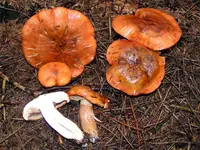
golden orange tricholoma
Tricholoma aurantium
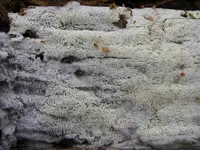
Anomoporia kamtschatica
Anomoporia kamtschatica
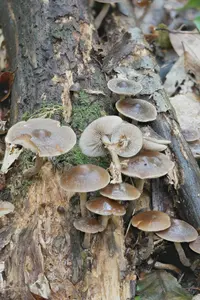
Agrocybe firma
Agrocybe firma
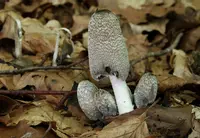
hare's foot inkcap
Coprinopsis lagopus
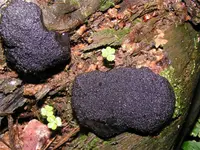
thick tarcrust
Camarops polysperma
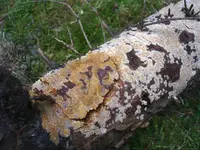
Conferticium ochraceum
Conferticium ochraceum
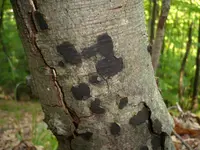
Beech Tarcrust
Biscogniauxia nummularia
Corticium erikssonii
Corticium erikssonii