Corticium erikssonii Care

Corticium erikssonii

About Corticium erikssonii

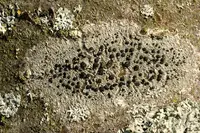
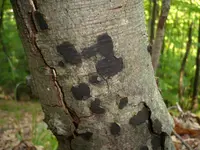
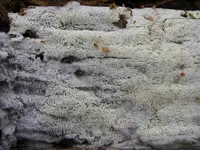
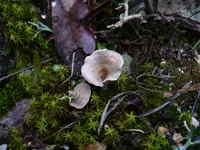
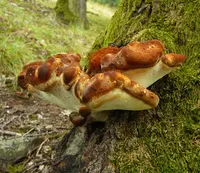
Corticium erikssonii is a crust-forming fungus rather than a typical leafy plant. It grows as thin, spreading patches on wood or bark surfaces. The fruiting body usually appears as a smooth, tightly attached crust that may be pale to slightly colored, blending closely with its substrate. This growth habit makes it easy to overlook in natural settings. It is mainly recorded from forested regions, where it develops on dead wood and contributes to wood decay and nutrient cycling. Because it is a specialist decomposer, how to care for Corticium erikssonii in cultivation is not well established and it is rarely grown intentionally outside scientific collections.

Main Plant Requirements

Care Difficulty

Moderate Care

Light Preference

Partial Shade

Water Requirements

Moderate Water

Temperature Preference

Warm Climate

Hardiness Zone

Unknown

Soil Texture

Loamy

Soil pH

Slightly acidic (6.5–7.0)

Soil Drainage

Well-drained

Fertilization

Minimal (feed rarely)

Get Personalized Care Plan

Scan your plant to receive care tips personalized for your specific plant

Available on iOS and Android

How to Care for the Corticium erikssonii

This species prefers moderate, indirect light similar to bright forest shade conditions.

  • Provide dappled or filtered light for 4–6 hours/day, such as morning sun through light canopy or shade cloth, avoiding harsh midday exposure.
  • Tolerates partial shade with only 2–3 hours of weak sun, but growth may slow if light stays very low for several weeks.
  • In hot summers, protect surfaces colonized by Corticium erikssonii from intense afternoon sun to reduce desiccation and tissue stress.

Moisture should be steady but not stagnant to support healthy growth.

  • Allow the top 2–5 mm of the substrate or surface to begin drying, then re-moisten so it feels evenly damp but never waterlogged.
  • In warm, dry periods, check moisture every 1–3 days; in cool, humid seasons, extend checks to every 3–7 days to avoid oversaturation.
  • Signs of excess water include slimy patches and foul odor, while pale, brittle tissue or cracking substrate suggests underwatering and the need for more frequent light watering.

Stable, mild temperatures support consistent development and surface spread.

  • Aim for an optimal range of 60–75°F (16–24°C), where metabolic and growth processes tend to remain most stable.
  • Avoid exposure below 40°F (4°C), since repeated cold and near-freezing conditions can slow activity sharply or damage sensitive tissue.
  • Limit heat spikes above 86°F (30°C); combined with low humidity, such temperatures increase drying stress, so provide shade and moisture buffering during hot, dry spells.

This species grows best in moderately humid conditions rather than very dry air.

  • Aim for 50–70% humidity, as persistently lower levels can slow growth and desiccate fruiting bodies.
  • Watch for pale, shrunken, or brittle tissue as signs of low-humidity stress in Corticium erikssonii.
  • Increase humidity with nearby open water trays, grouped host plants, or localized misting that dries within 1–2 hours.

This fungus develops best on consistently moist, well-aerated, organic-rich substrates.

  • Use a loose, humus-rich, crumbly substrate that mimics decaying wood or bark, avoiding dense, compacted garden soil.
  • Ensure excellent drainage so the substrate stays evenly moist but not waterlogged, which restricts air and can suppress healthy mycelium.
  • A slightly acidic to neutral pH around 5.5–7.0 supports balanced nutrient availability and typical growth patterns.
  • Blend fine bark, leaf mold or compost, and a small portion of sand or perlite to improve aeration and prevent anaerobic, sour-smelling conditions.

This species can be managed in containers when conditions are kept consistently moist and well aerated rather than saturated.

  • Use a broad, shallow container to maximize surface area for colonization and fruiting rather than a deep, narrow pot.
  • Select a rigid, stable pot material that does not flex, so the developing substrate and mycelial network remain undisturbed.
  • Raise the container slightly on feet or blocks to enhance air movement under the base and speed removal of excess drainage water.

This species is typically a wild, substrate-dwelling fungus and does not benefit from targeted fertilization in cultivation.

As a crust-forming fungus on wood or bark, this species is not managed through conventional pruning.

Transplanting is rarely relevant, as this fungus naturally colonizes dead wood or bark rather than growing as a potted specimen.

  • If relocation is necessary, move the colonized wood or bark section rather than disturbing the fungal tissue directly.
  • Transplant during mild, moist weather to limit desiccation of the substrate surface.
  • Keep the original orientation of the wood to maintain similar light and moisture exposure.
  • After moving, maintain stable humidity and avoid scraping or cutting the crust to reduce stress.

In practice, this fungus spreads by its own spores and is not commonly propagated intentionally in home or garden settings.

In temperate climates Corticium erikssonii generally tolerates natural seasonal changes without specific winter care.

  • Where winters are very dry, avoid storing colonized wood in heated, arid indoor spaces that can desiccate the substrate.
  • If material must be moved, keep it in a cool, shaded, ventilated area that stays above extreme freezing and below room temperatures.
  • Do not wrap the substrate tightly in plastic, which can cause waterlogging and decay imbalance over winter.

Care Tips

Use clean host

Establish cultures only on well-identified, disease-free host material so that any changes in Corticium erikssonii growth can be attributed to your conditions rather than secondary infections or contamination.

Monitor microclimate

Place a simple digital thermo-hygrometer near, but not touching, colonized material to track the tight humidity and temperature band this corticioid fungus prefers and adjust chamber vents or misting frequency in small steps rather than large swings.

Optimize air exchange

Provide very gentle, regular air exchange in propagation boxes or culture chambers using small adjustable vents or brief lid openings to prevent stagnant air, which encourages bacterial films that can outcompete the fungus.

Use sterile tools

When transferring mycelium or inspecting colonized substrate, flame-sterilize metal tools or use fresh disposable implements each time to reduce the risk of introducing competing fungi that can overrun colonies when caring for Corticium erikssonii.

Stage your substrates

Prepare several small substrate batches with slightly different textures or nutrient levels and inoculate them separately so you can observe which combination best supports consistent, even mycelial development when growing Corticium erikssonii.

Common Pests and Diseases

Brown felt blight

This disease forms a dense, brown, felt-like fungal mat over needles and stems, causing foliage death and dieback, especially in snow-covered or high-elevation conifers. Symptoms include matted, discolored needles that remain attached and a webby, buff to brown crust on affected tissue.

Solution

Remove and destroy blighted shoots and small trees to reduce inoculum, and avoid dense, shaded plantings where snow persists for long periods. Improve airflow between trees, limit prolonged snow cover where possible, and in high-value plantings consider preventive fungicide sprays labeled for snow blights applied in late autumn before stable snow cover, following local forestry guidelines.

Snow blight

This disease develops under prolonged snow cover, where the fungus colonizes cool, moist needles and bark, leading to patchy browning and needle loss once snow melts. Symptoms include irregular brown patches on foliage and a thin, whitish to buff fungal growth on dead tissue at snow line height.

Solution

Promote good site drainage and spacing so snow melts and dries quickly around trees, and avoid excessive shade that slows snowmelt. Prune out and dispose of affected branches during dry weather, disinfect pruning tools, and in nurseries or plantations with a history of snow blight use preventively labeled fungicides before winter according to professional Corticium erikssonii care instructions.

Interesting Facts

Taxonomic reclassification history

This crust-forming fungus was originally described in the genus Corticium but later moved to other corticioid genera as mycologists revised relationships based on microscopic characters such as basidia and cystidia. Recent taxonomic work tends to treat it as part of a complex of similar-looking species, reflecting how difficult it is to separate corticioid fungi using only macroscopic features.

Corticioid growth form

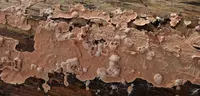
The species produces a thin, spreading, crust-like fruiting body tightly attached to woody substrates instead of a typical mushroom cap and stalk. Its smooth to slightly wrinkled surface maximizes contact with the substrate, aiding efficient digestion of wood tissues.

Wood-decay specialist

This fungus colonizes dead or dying woody material and contributes to wood decomposition in forest ecosystems. By breaking down structural components of wood, it helps recycle nutrients and creates habitat for invertebrates and other microorganisms.

FAQs about Corticium erikssonii

This fungus generally has a moderate growth rate on suitable host material, expanding steadily rather than explosively. Growth speed depends strongly on temperature, moisture, and nutrient availability, so stable conditions are more important than trying to force rapid expansion.

Grow Healthy Plants with Botan Care

Keep your plants happy and healthy with plant identification, disease detection, and easy care guidance.

Botan plant care app — identify plants on mobile

Explore More Plants