Oak polypore Care (Buglossoporus quercinus)

Oak polypore

About Oak polypore

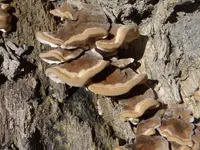
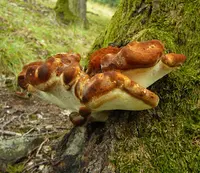
Oak polypore, Buglossoporus quercinus, is a large bracket fungus that grows on living or dead oak trunks and large branches. It forms thick, shelf-like fruiting bodies with a soft, fleshy texture when young that becomes tougher and more brittle with age.

This species is native to Europe and is strongly tied to old, veteran oaks in woodlands, parks, and historic landscapes. It plays an important role as a wood-decaying organism, slowly breaking down heartwood.

Because it depends on mature oak hosts and specific habitat conditions, it is not easy to cultivate at home, and attempts to care for Oak polypore are rarely successful. It generally prefers shaded, humid environments and stable, undisturbed wood as its substrate.

Main Plant Requirements

Care Difficulty

Hard Care

Light Preference

Shade

Water Requirements

Keep Soil Moist

Temperature Preference

Cool Climate

Hardiness Zone

Unknown

Soil Texture

Organic-rich, Loamy

Soil pH

Acidic (5.5–6.5)

Soil Drainage

Moist but well-drained

Fertilization

Minimal (feed rarely)

Get Personalized Care Plan

Scan your plant to receive care tips personalized for your specific plant

Available on iOS and Android

How to Care for the Oak polypore

This fungus develops best on host oaks under moderate woodland light rather than full, exposed sun.

  • Aim for bright, dappled woodland light or light shade, with 2–4 hours of gentle morning sun and protection from strong afternoon sun.
  • Site on the north or east side of mature oaks so the fruiting bodies are shielded by the canopy; intense, direct sun can dry and crack Oak polypore.
  • In summer, increased canopy shade is acceptable, but deep, continuous shade under dense understory can reduce fruiting and slow colonization.

This wood-decay fungus depends on stable, slightly moist wood rather than direct watering of the fruiting bodies.

  • Focus on maintaining the host oak in soil that drains well yet stays slightly moist; avoid sites where water pools for more than 24 hours.
  • Allow the top 5–8 cm of surrounding soil to dry slightly between natural rain events; persistent saturation encourages competing fungi and root stress.
  • In dry spells, slow, infrequent soaking of the root zone is preferable; shriveling or brittle Buglossoporus quercinus brackets often indicates prolonged drought stress.

This species is adapted to temperate climates with cool to mild conditions across the year.

  • Optimal activity and fruiting typically occur around 55–75°F (13–24°C), common in late spring to early autumn in many temperate oak woodlands.
  • Growth slows near 40–45°F (4–7°C) and may pause with light frosts, but the mycelium often survives brief drops to about 25°F (-4°C) if the wood is insulated.
  • Sustained heat above 85°F (29°C), especially with dry air and sun-exposed trunks, can dry and damage fruiting bodies, so canopy shade and ambient humidity are important.

Humidity is only a minor factor for this wood-decaying bracket fungus grown on logs rather than as a houseplant.

This species naturally fruits from decaying oak wood, so it is managed on hardwood substrates rather than conventional soil.

  • Use dense hardwood logs or tightly packed oak sawdust with added wood chips instead of mineral soil, as Buglossoporus quercinus is a saprotrophic fungus that feeds on wood.
  • Keep the substrate structure firm but not waterlogged; excess free water reduces oxygen and encourages bacterial growth that can suppress fungal development.
  • Maintain steady moisture in the wood by periodic soaking or misting, then allow the surface to drain so internal pores stay aerated.
  • Avoid mixing in garden loam, compost, or bark-based potting mixes, which change moisture dynamics and do not mimic stable oak heartwood.

This species is not well suited to typical container growing and is usually cultivated on fixed oak logs or sections of trunk rather than in pots.

This wood-decay fungus grows on nutrient-rich oak tissue and generally needs no additional fertilizer in cultivation.

Buglossoporus quercinus requires no true pruning, but its fruiting bodies can be tidied for safety or research purposes.

  • Remove only dead, crumbling, or hazardous brackets using a clean, sharp knife or folding saw.
  • Cut close to the wood surface without gouging the underlying tree or log.
  • Sanitize tools with alcohol before and after cutting to limit spread of other fungi or pathogens.
  • Avoid shaping cuts; pruning does not improve growth or fruiting in this species.

This species is not suited to conventional containers and is best managed by relocating colonized wood rather than repotting.

  • Transplant only when the host log or branch is deteriorating, unsafe, or poorly positioned for observation.
  • Choose late fall or early spring when temperatures are mild and the Oak polypore is not actively fruiting.
  • Move intact sections of colonized oak wood with minimal disturbance, handling gently to avoid cracking the substrate.
  • Place the wood in a shaded, humid, well-ventilated site and water surrounding soil lightly to reduce stress.

In practice, cultivating Buglossoporus quercinus is specialized and rarely attempted outside research or advanced hobby contexts.

Established colonies on hardy oaks usually tolerate normal outdoor winters without intervention in most temperate climates.

  • Avoid removing or disturbing colonized wood during freezing, thawing, or very wet winter periods.
  • If possible, keep host logs off saturated ground to limit rot patterns that may destabilize the wood.
  • Container-displayed sections of colonized wood should be overwintered outdoors in a shaded, sheltered spot rather than indoors.

Care Tips

Select host wood

Use recently felled, unsprayed oak logs with intact bark, 15–30 cm in diameter, as the substrate to support steady fruiting and limit contamination from competing fungi.

Pre-drill inoculation holes

Drill clean, evenly spaced holes 3–5 cm deep in a staggered pattern along the log before inserting dowel or sawdust spawn to give the mycelium protected entry points and better colonization routes.

Seal entry points

After adding spawn, seal all holes and cut ends of the log with food-grade wax to reduce moisture loss and block entry of competing fungi and bacteria.

Control log hydration

Weigh or mark the log at the start, then periodically check weight and soak the log in clean, non-chlorinated water for 12–24 hours when it has visibly lightened and the bark begins to loosen or crack.

Rotate fruiting sites

Turn and slightly reposition the log every few months so different surfaces are exposed to air and indirect light, encouraging even fruiting and reducing persistent damp spots that favor mold.

Common Pests and Diseases

Competing wood-decay fungi

This disease involves other fungi colonizing the same oak wood and outcompeting the oak polypore mycelium, leading to weak or deformed fruiting bodies. Symptoms include patchy or stunted brackets, unusual colors, and mixed textures on the same log.

Solution

Remove and discard severely deformed or moldy brackets and use only fresh, sound oak wood with minimal existing fungal colonization for cultivation. Improve air movement around the log or substrate, avoid over-wetting, and if contamination is persistent, start new cultures from clean tissue or spores on sterilized oak-based substrate following standard Buglossoporus quercinus care instructions.

Mite infestation

These insects feed on the pore surface and soft tissues, leaving tiny pits, discoloration, or powdery debris on and under the brackets. Symptoms include reduced spore production and prematurely aging, dull-looking fruiting bodies.

Solution

Gently brush or blow mites off fresh brackets and keep the growing area clean and dry between misting cycles to reduce habitat. In indoor or controlled setups, isolate infested logs, lower humidity slightly, and use sticky traps nearby to reduce populations instead of spraying directly on the fungus.

Fungus gnats

These insects lay eggs in moist wood or substrate; the larvae tunnel through the fungal tissue, causing small holes, slump, and decay in young brackets. This pest thrives where substrate is consistently wet and poorly ventilated.

Solution

Allow the surface of the substrate or log to dry slightly between mistings, and improve airflow to discourage egg-laying. Use fine mesh barriers around cultivation containers, apply yellow sticky traps for adults, and remove heavily damaged brackets to reduce breeding sites.

Bacterial blotch

This disease appears as water-soaked, slimy, or greasy patches on the cap surface, often starting where water collects and airflow is poor. Symptoms include yellowish to brown discoloration and a sour or unpleasant odor, with rapid tissue breakdown.

Solution

Reduce direct water on fruiting bodies by misting the air or substrate instead of the caps, and increase air exchange around the culture. Remove and discard any slimy or foul-smelling tissue, then adjust humidity to a slightly lower, more stable range while keeping the oak substrate just evenly moist.

Green mold contamination

This disease is caused by fast-growing competitor molds such as Trichoderma that colonize the same oak substrate, forming bright green patches and suppressing oak polypore growth. Symptoms include stalled or aborted primordia and strong musty odor from the substrate surface.

Solution

Cut out or discard sections of substrate with extensive green mold and improve cleanliness of tools, containers, and water used for misting. In cultivation, use properly pasteurized or sterilized oak-based substrate, maintain good fresh-air exchange, and restart from clean culture if contamination repeatedly overwhelms new fruitings.

Interesting Facts

Ancient oak specialist

This bracket fungus is strongly associated with very old, veteran oaks in Europe and is considered an indicator of long‑continuity oak woodland habitats.

Brown rot wood decay

It causes brown rot, a type of decay that breaks down cellulose while leaving lignin relatively intact, leading to a dry, crumbly, cubical fracture of the oak heartwood.

Distinctive bright fruiting

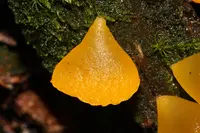
Young fruiting bodies are often strikingly bright yellow to orange before aging to paler or buff tones, which makes them stand out clearly on old oak trunks and large branches.

Botan icon

Did you know?

In several European countries, this species is considered nationally rare or vulnerable and is used in conservation assessments to identify and protect ancient oak landscapes with high biodiversity value.

FAQs about Oak polypore

This bracket fungus grows slowly, often taking several years to become noticeable and develop large shelves. Growth rate depends on host oak vigor, moisture levels, and temperature, as it colonizes and decays heartwood gradually over time.

Grow Healthy Plants with Botan Care

Keep your plants happy and healthy with plant identification, disease detection, and easy care guidance.

Botan plant care app — identify plants on mobile

Explore More Plants