ashen coral Care (Tremellodendropsis tuberosa)

ashen coral

About ashen coral

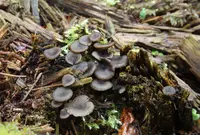
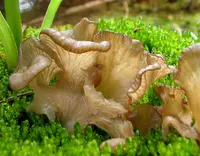
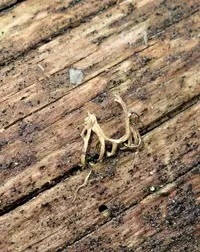
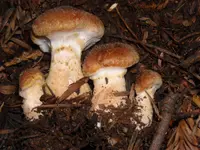
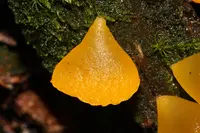
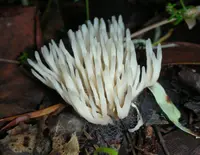
Ashen coral, Tremellodendropsis tuberosa, is a coral-like fungus rather than a traditional leafy plant. It forms tight, branching, grayish to pale-beige clusters that resemble underwater coral. This species usually appears on soil or decaying plant material in coniferous and mixed forests.

It is native mainly to temperate regions of Europe and North America, where it fruits in cool, moist conditions. The delicate, brittle structure and specific habitat needs make it challenging to cultivate intentionally.

Those interested in how to care for ashen coral should understand that it depends on stable moisture, shade, and naturally decomposing organic matter, rather than typical garden soil or pots.

Main Plant Requirements

Care Difficulty

Hard Care

Light Preference

Partial Shade

Water Requirements

Keep Soil Moist

Temperature Preference

Cool Climate

Hardiness Zone

Unknown

Soil Texture

Loamy, Silty, Organic-rich

Soil pH

Acidic (5.5–6.5)

Soil Drainage

Moist but well-drained

Fertilization

Minimal (feed rarely)

Get Personalized Care Plan

Scan your plant to receive care tips personalized for your specific plant

Available on iOS and Android

How to Care for the ashen coral

This woodland fungus prefers low to moderate, indirect light similar to a shaded forest floor.

  • Provide dappled or filtered light, with no more than 1–3 hours of weak morning sun and full shade the rest of the day.
  • Site ashen coral under deciduous trees or shrubs where summer foliage softens direct sun and prevents midday and afternoon exposure.
  • In hotter regions, increase shade in late spring–summer to prevent drying and bleaching; in cooler, overcast climates, light open shade is sufficient.

This species needs consistently moist, cool substrate rather than a fixed watering schedule.

  • Maintain evenly moist, humus-rich soil; surface mycelium should never fully dry, but avoid standing water or soupy mud.
  • Increase watering or misting when the upper 2–3 cm of forest duff or mulch feel dry, especially during warm, windy periods.
  • Reduce added moisture in cool, wet seasons to prevent rot; signs of excess water include sour odor and slime, while shriveling fruiting bodies indicate drought stress.

This fungus favors cool, stable conditions similar to a shaded temperate woodland floor.

  • Aim for 50–68°F (10–20°C) as the main active range for Tremellodendropsis tuberosa growth and fruiting.
  • Allow short dips to 40°F (4°C), but protect habitat from hard freezes below 32°F (0°C), which can damage fruiting bodies.
  • Limit exposure above 77–80°F (25–27°C); provide deep shade, leaf litter, and regular moisture during heat to buffer temperature swings.

This fungus prefers consistently moist air but adapts to a wide outdoor humidity range.

  • Target ambient humidity around 60–90% in shaded, sheltered sites to mimic its natural woodland conditions.
  • It tolerates brief drier spells but declines in prolonged air below about 40%, especially with direct sun or wind exposure.
  • Signs of low humidity stress include shriveling, tougher and duller fruiting bodies, and faster collapse; raise moisture by mulching, misting the area, or using nearby water trays when caring for ashen coral.

This species fruits best in loose, consistently moist, well-drained, organic-rich soil.

  • Use a crumbly mix based on leaf mold or compost blended with garden loam and some coarse sand to keep the structure open.
  • Aim for slightly acidic to neutral conditions, roughly pH 5.5–7.0, which support the fungal mycelium in the underlying substrate.
  • Increase drainage and aeration by incorporating coarse sand, fine gravel, or bark chips so water does not stagnate around the fruiting zone.
  • Avoid compacted clay, waterlogged spots, or sterile, heavily fertilized potting mixes, which reduce oxygen and disrupt Tremellodendropsis tuberosa development.

This species is generally unsuitable for long-term container growing because it relies on complex soil and wood habitats.

This fungus-like organism naturally grows in poor forest soils and usually does not need supplemental feeding when left in the ground.

  • For ashen coral in a container or highly depleted soil, use a very light top-dressing of fine compost in early spring.
  • Avoid strong synthetic fertilizers; if used at all, apply a highly diluted balanced NPK (about 1/4 strength).
  • Do not fertilize during winter or obvious dormancy, as nutrient uptake is minimal and salts may build up.

Tremellodendropsis tuberosa requires almost no pruning because the fruiting bodies are short-lived and seasonal.

  • Remove only clearly rotten, moldy, or insect-infested fruiting bodies, using clean gloved hands or a soft knife.
  • Avoid cutting or disturbing the underlying mycelium in the soil, which is the main living part of the organism.
  • Do not trim surrounding plants excessively, as some shade and intact leaf litter support its natural habitat.

This species is rarely grown in containers and is usually left undisturbed in its woodland habitat.

  • Treat any move as a sensitive transplant of a soil community, not a single plant, and avoid unless strictly necessary.
  • If relocation is required, do it in early spring or fall, moving a wide, deep plug of soil to preserve mycelium.
  • Minimize disturbance: keep soil intact, moist, and shaded during transfer, and replant at the same depth and orientation.
  • After transplanting, maintain steady moisture and leaf litter cover to reduce stress on the underground network.

Deliberate propagation of Tremellodendropsis tuberosa is uncommon and technically demanding.

In its natural range this species is cold hardy and typically needs no special winter care when established in the ground.

Care Tips

Rotate fruiting logs

If cultivating on small buried hardwood pieces, gently rotate or shift them 90° between flushes to prevent compacted soil zones and encourage more even fruiting around the tubers.

Use coarse surface mulch

Apply a thin 1–2 cm layer of coarse, partially decomposed leaf litter over the inoculated area to buffer moisture swings, protect developing fruitbodies from splash soil, and mimic the natural forest floor.

Map and mark patches

Flag or discreetly mark colonized spots so traffic is kept off them, which reduces compaction of the upper soil layer and protects the fragile fruiting bodies from being crushed.

Hand-harvest carefully

Cut fruitbodies cleanly at the base with a disinfected knife instead of pulling, then lightly press disturbed soil back into place to minimize damage to the underlying mycelial tubers.

Seasonal moisture checks

During extended dry spells, probe the top 5–10 cm of soil near the colony; if it is dry and crumbly through this depth, carefully spot-water around but not directly onto the coral clusters to support growing ashen coral without causing rot.

Common Pests and Diseases

mycophagous springtails

These insects feed on fungal tissue and can graze fruiting bodies, leaving pitted, roughened, or tattered surfaces on the coral-like clubs. Symptoms include small surface scars and rapid cosmetic damage during damp, cool weather when populations surge.

Solution

Limit excessive surface moisture by improving drainage around the fruiting site and avoiding continual heavy watering. Gently remove heavily infested or damaged fruiting bodies and, if needed, use a contact insecticidal soap directed at the soil surface, applied in the evening to reduce stress on surrounding organisms.

fungus gnat larvae

This pest lives in wet organic substrates and the larvae chew on soft fungal tissue, causing distorted, collapsing, or partially eaten fruiting bodies. Symptoms include thinning club tips, soft patches, and presence of small dark adult gnats hovering near the substrate surface.

Solution

Reduce standing moisture and allow the substrate surface to dry slightly between waterings so it is only evenly moist, not saturated. Use sticky traps to capture adults and, if larval damage continues, apply a biological control such as Bacillus thuringiensis var. israelensis (Bti) to the substrate according to label directions.

slugs and snails

These pests rasp and consume soft fungal tissue at night, leaving irregular bite marks, missing sections of clubs, and slime trails on or around the fruiting bodies. Symptoms include sudden, large chunks missing from the coral structure, especially after wet, mild nights.

Solution

Hand-pick slugs and snails at dusk or early morning and remove hiding places such as dense ground debris near the fungus. Create physical barriers like copper tape around small cultivation beds or use iron phosphate slug baits placed away from direct contact with fruiting bodies, following label instructions to minimize non-target impacts.

parasitic hypomyces infection

This disease is caused by other fungi that colonize and overgrow the fruiting bodies, leading to discolored, felt-like, or powdery coatings on the clubs and eventual deformation or collapse. Symptoms include patches of off-color mycelial growth or crust over the natural pale tissue, sometimes spreading across multiple fruiting clusters.

Solution

Promptly remove and discard infected fruiting bodies and any obviously contaminated debris to reduce spore spread. Improve air movement and avoid prolonged surface wetness by spacing fruiting clusters and adjusting irrigation so water does not stand directly on the coral structures.

bacterial soft rot

This disease breaks down the tissues of the fruiting bodies, causing wet, translucent, foul-smelling areas that quickly turn mushy and collapse. Symptoms include water-soaked spots that spread rapidly under warm, stagnant, and very humid conditions.

Solution

Carefully cut away and discard all affected tissue and surrounding decayed organic matter, keeping tools clean between cuts. Improve site sanitation and airflow, and reduce excess watering so surfaces dry between irrigation events, which limits conditions favorable for soft-rot bacteria and supports more stable Tremellodendropsis tuberosa care conditions.

Interesting Facts

Tuber-like rooting base

This coral fungus forms a distinct, often underground, tuber-like base from which its branched fruiting body arises, a feature reflected in the species name tuberosa. The swollen base helps anchor the brittle branches in loose or mossy soil.

Preference for sandy soils

It is most often recorded on nutrient-poor, sandy or gravelly soils in coniferous or mixed forests rather than on decaying wood. This differentiates it from many look-alike coral fungi that are strongly wood-associated.

Cream to ochre aging

The fruiting body typically emerges pale cream to yellowish and can age to ochre or brownish tones, especially at the tips of branches. This color shift over time is useful for field identification when comparing young and mature specimens in the same patch.

FAQs about ashen coral

This fungus grows relatively quickly once conditions are suitable, often forming fruiting bodies within days after sustained moisture. Growth is episodic, linked to rainfall and temperature, rather than steady like most garden plants.

Grow Healthy Plants with Botan Care

Keep your plants happy and healthy with plant identification, disease detection, and easy care guidance.

Botan plant care app — identify plants on mobile

Explore More Plants