Agrocybe acericola Care

Agrocybe acericola

About Agrocybe acericola

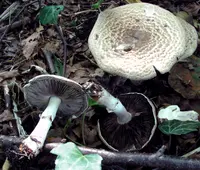
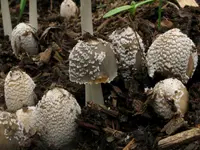
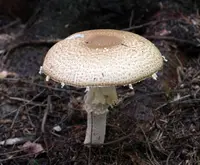
Agrocybe acericola is a saprophytic fungus rather than a leafy houseplant, growing on decaying wood and organic debris. It typically forms small to medium, pale brown caps with slender stems in loose clusters.

This species is usually found in temperate woodlands and landscaped areas, especially where there is buried wood or rich organic mulch. It appears seasonally, often after rain, and does not persist long.

Because it relies on decomposing wood, it is not suited to standard pot culture, and is better viewed as a temporary, naturally occurring fungus outdoors. Gardeners who want to learn how to care for Agrocybe acericola mainly focus on providing stable, moist, woody substrates rather than traditional soil.

Main Plant Requirements

Care Difficulty

Moderate Care

Light Preference

Partial Shade

Water Requirements

Keep Soil Moist

Temperature Preference

Cool Climate

Hardiness Zone

Unknown

Soil Texture

Loamy, Organic-rich

Soil pH

Acidic (5.5–6.5)

Soil Drainage

Moist but well-drained

Fertilization

Minimal (feed rarely)

Get Personalized Care Plan

Scan your plant to receive care tips personalized for your specific plant

Available on iOS and Android

How to Care for the Agrocybe acericola

This wood-inhabiting fungus prefers soft, filtered woodland light rather than intense direct sun.

  • Provide dappled shade or bright, indirect light, such as 2–4 hours of gentle morning sun and full shade by early afternoon, to protect developing caps from drying and cracking.
  • Site fruiting logs or substrate under deciduous trees, shrubs, or shade cloth where they receive broken light patterns rather than continuous midday sun.
  • In hot summers, increase shade and maintain higher humidity; in cooler seasons, allow a bit more morning light to support steady Agrocybe acericola development.

Moist, not waterlogged, conditions are essential for reliable fruiting.

  • Keep the substrate or colonized logs evenly moist, allowing only the surface 1–2 cm to begin drying before rewetting with a gentle soak or thorough hose misting.
  • Ensure excess water can drain or run off freely; standing water around logs or beds encourages anaerobic conditions, foul odor, and mycelium decline.
  • In warm, windy weather, check moisture daily; in cool, damp seasons, reduce watering and watch for pale, shrunken caps as a sign of underwatering or soft, rotting tissue as overwatering.

This species fruits best in cool to mild conditions without temperature extremes.

  • Aim for an active growth and fruiting range of about 55–70°F (13–21°C), which supports steady mycelium activity and well-formed caps.
  • Protect from frost, as sustained temperatures below 32°F (0°C) can damage exposed fruiting bodies, though buried mycelium often survives brief cold spells.
  • In hot periods above 77–80°F (25–27°C), increase shade and humidity, and avoid placing logs on heat-reflective surfaces that can overheat the substrate.

This species tolerates a broad humidity range but fruits best in moderately moist air.

  • Aim for 60–75% humidity during active fruiting for stable cap and stem development.
  • Dry air causes cracked caps, thin stems, and slower pin formation; mist the substrate surface lightly, not the caps.
  • Increase humidity with a clear humidity tent or monotub-style box that allows fresh air exchange without waterlogging the substrate.

For reliable production, provide a loose, organic-rich substrate that drains freely yet retains steady moisture.

  • Use a mix such as pasteurized hardwood sawdust with 10–30% wheat bran or other nutrient supplement for Agrocybe acericola.
  • Ensure the substrate is moist but not soggy; free water pooling promotes anaerobic (oxygen-poor) zones and bacterial contamination.
  • Target a slightly acidic to neutral pH around 6.0–7.0 by using hardwood-based materials and avoiding strongly alkaline amendments.
  • Improve structure and aeration by avoiding fine garden soil, heavy clay, or dense peat that compacts under repeated watering.

This fungus grows well in containers such as buckets, tubs, or grow bags when moisture and air flow are controlled carefully.

  • Choose containers deep enough to hold a 10–20 cm substrate layer so the mycelium has room to colonize and buffer moisture swings.
  • Drill or use built-in side holes above the substrate line to combine gas exchange with minimal moisture loss.
  • Place containers on raised grates or bricks so any drainage water escapes quickly and the base does not stay in constant contact with runoff.

This wood-inhabiting fungus typically needs minimal feeding when grown on a suitable substrate, so external fertilizer is rarely required for Agrocybe acericola.

There is no true pruning for this mushroom-forming species, only hygiene management of its growing area.

  • Remove spent or heavily decomposed substrate blocks after fruiting to limit contamination and pests.
  • Cut away visibly moldy or rotten sections with a clean knife to reduce disease spread.
  • Clear fallen debris from around cultivation containers or logs to keep air moving and surfaces drier.

Cultivation focuses on renewing substrate rather than classic repotting, since this species is typically grown on wood-based media or outdoor logs.

  • Replace substrate when colonization slows, contamination increases, or fruiting declines noticeably.
  • Plan major moves or new log inoculations in mild seasons, such as early spring or early fall, to reduce stress from heat or cold.
  • Limit disturbance of the mycelium; transfer colonized blocks gently and keep them at stable moisture and temperature after moving.
  • If containers are used, choose a similar or slightly larger vessel with good drainage and maintain consistent humidity during the first 1–2 weeks.

Reproduction relies on spores and colonized substrate rather than conventional plant propagation methods.

  • Use purchased or laboratory-prepared spawn to inoculate fresh, pasteurized or sterilized wood-based substrate in late winter to spring.
  • Maintain a clean environment during inoculation to reduce competing fungi and bacteria.
  • Keep inoculated material in the dark or low light at stable, moderate temperatures until fully colonized.
  • Once white mycelium uniformly covers the substrate, shift to slightly cooler, humid, and indirectly lit conditions to encourage fruiting.

Outdoor cultivation usually tolerates cool conditions but benefits from moderate winter protection in very cold regions.

  • Add a light mulch layer around outdoor logs or beds in climates with prolonged freezes below about 25°F.
  • Avoid waterlogged conditions by ensuring good drainage so mycelium does not rot during cold, wet spells.
  • Move small containers or bags into an unheated garage, shed, or cold frame during severe frost events to stabilize temperature.

Care Tips

Use pasteurized substrate

Prepare or buy a pasteurized hardwood-based substrate (such as sawdust with bran) to reduce competing fungi and bacteria before inoculation, since this species is sensitive to contamination during colonization.

Control spawn ratio

Use a relatively high spawn rate of 10–15% of substrate wet weight to speed colonization and reduce the window for mold invasion, especially in small indoor setups.

Dial in fresh air

Once mycelium has fully colonized the substrate, increase fresh air exchange slightly (for example by adding filtered vents or brief, regular fanning) to promote sturdy fruit bodies and reduce elongated, weak stems.

Monitor cap maturity

Harvest clusters just as the caps flatten and before the gills fully darken, cutting cleanly at the base with a sterile knife to reduce damage and allow potential subsequent flushes when growing Agrocybe acericola.

Rest and rehydrate blocks

After each flush, remove spent stems, lightly mist the substrate surface, and allow a 5–7 day rest period at stable conditions to support recovery of the mycelium and improve the chance of another productive flush when caring for Agrocybe acericola.

Common Pests and Diseases

Mite contamination

This pest occurs when tiny soil or substrate mites colonize the mushroom bed and feed on developing mycelium and fruiting bodies. Symptoms include slow or patchy colonization, pitted caps, and visible tiny moving dots on or around the substrate.

Solution

Remove and discard heavily infested blocks or trays, then thoroughly clean and disinfect all growing surfaces and tools. Reduce excess organic debris, keep the grow space dry between cycles, use fine mesh filters on air inlets, and, if needed, introduce predatory mites suited to mushroom production to reduce problem populations without chemical sprays.

Fungus gnat larvae

These insects lay eggs in moist substrates, and the larvae feed on fungal mycelium and young primordia, causing weak or aborted fruiting bodies. Symptoms include slow pin formation, damaged stems, and small black adult gnats flying near the growing area.

Solution

Use yellow sticky traps to monitor and reduce adult gnats, avoid over-saturating the substrate, and promptly remove spent or decaying blocks. Seal gaps in the grow room, use insect-proof mesh on vents, and if needed, apply a biological control such as Bacillus thuringiensis israelensis (Bti) in non-fruiting stages to target larvae without harming the crop.

Green mold (Trichoderma)

This disease appears as fast-spreading white mycelium that quickly turns bright to dark green on the substrate surface. Symptoms include stalled Agrocybe growth, sour or earthy odor, and patches of dense, powdery green spores.

Solution

Immediately bag and remove contaminated blocks or trays to prevent spore spread, then clean and disinfect shelves, floors, and tools. For future cycles, improve substrate pasteurization or sterilization, maintain strict hygiene, limit airborne dust, and reduce handling of the substrate once inoculated as part of comprehensive Agrocybe acericola care instructions.

Bacterial blotch

This disease causes wet, greasy-looking spots or streaks on caps and stems, which may turn yellow-brown and soften. Symptoms include a slimy surface and unpleasant odor, often associated with standing water or excessively high humidity on cap surfaces.

Solution

Improve airflow to keep caps dry between misting events, lower humidity slightly, and avoid overhead water that sits on fruiting bodies. Remove and discard affected mushrooms promptly, sanitize tools and surfaces, and ensure fresh air exchange is adequate to reduce condensation.

Cobweb mold

This disease presents as very fine, grey-white, spiderweb-like growth spreading rapidly over casing or substrate and sometimes over fruiting bodies. Symptoms include soft, water-soaked mushroom tissue and quick collapse of pins where the mold covers them.

Solution

At early detection, increase fresh air exchange and slightly lower humidity to slow mold growth, and carefully remove localized infected material. Disinfect surrounding surfaces, avoid splashing water from contaminated to clean areas, and improve hygiene and air filtration before starting new batches to prevent recurrence.

Interesting Facts

Springtime maple associate

This wood-inhabiting fungus fruits mainly in spring on dead or dying wood of maple species, especially Acer saccharum and other hard maples, making it a characteristic member of temperate maple forest communities in eastern North America and parts of East Asia.

Small, short-lived fruiting

Its mushrooms are relatively small and ephemeral, often appearing in modest clusters that can vanish quickly after warm or dry weather, which makes them easy to overlook during brief fruiting windows.

Narrow ecological niche

Compared with some close relatives that grow on a wide range of woody substrates, this species shows a stronger preference for well-decayed hardwood, particularly maple logs and stumps in moist, shaded forest sites.

FAQs about Agrocybe acericola

This species is generally regarded as inedible or of no culinary value. Identification of wild mushrooms is complex, and misidentification can be dangerous, so it should not be eaten or used as food.

Grow Healthy Plants with Botan Care

Keep your plants happy and healthy with plant identification, disease detection, and easy care guidance.


Botan plant care app — identify plants on mobile

Explore More Plants